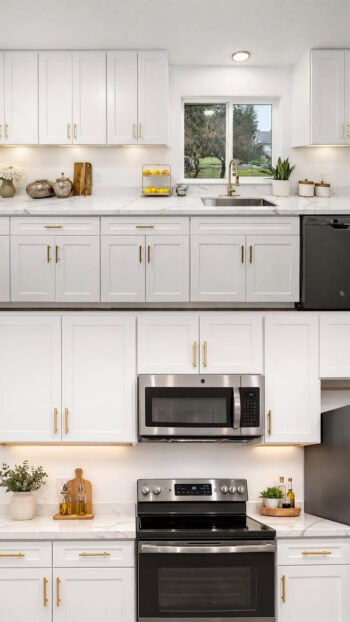
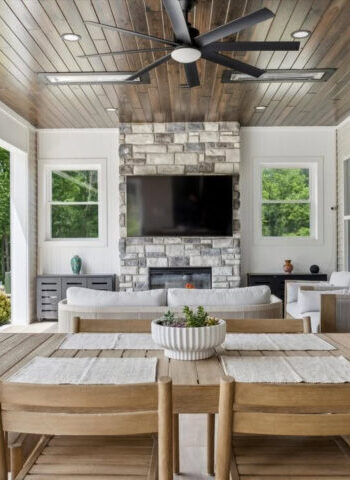
A bright, relaxed family room changes how your whole home feels. It makes busy mornings softer, movie nights calmer, and everyday mess feel less overwhelming because the space still looks open, clean, and welcoming.
Think warm white walls, pale wood, soft cotton, light pouring across a rug, and lamps that cast a quiet glow after sunset. These details do more than look pretty. They help your room feel bigger, fresher, and easier to live in.
In these 12 ideas, you will find simple ways to bring in more light, choose easy textures, and build a space that feels calm from morning to night. Small shifts can create that airy, effortless mood you have been wanting.
1. Start With a Light Palette
A soft color base gives your family room room to breathe. The fastest way to create an open mood is to build around light palette tones that reflect daylight instead of absorbing it.
Build the room from the walls out
Wall color sets the emotional tone before you add a single chair, pillow, or lamp. If your family room feels boxed in or heavy, deep paint shades can make that feeling stronger, especially in spaces that do not get strong sun all day. Pale warm white, soft beige, gentle greige, and muted sand shades help light move around the room and make corners look less tight.
You do not need a stark white box to get this effect. In fact, a family room usually feels better with a little warmth in the paint because it keeps the space from looking cold or flat. I often find that creamy whites and barely-there taupes feel calmer than bright icy whites, especially next to wood floors, woven baskets, or a linen sofa. The room still looks fresh, but it feels lived in.
Use contrast with a light hand
A bright family room still needs some contrast or it can start to feel washed out. The trick is to keep the bigger surfaces soft and let smaller pieces bring definition. A pale wall, oatmeal rug, and ivory curtains can handle a coffee table in medium oak, a black floor lamp, or a few charcoal picture frames without losing that airy effect.
Think about color in layers instead of separate pieces. If the sofa, walls, rug, and curtains all sit in the same quiet range, your eye moves through the room with ease. That flow matters. It makes the space feel bigger and calmer, which is exactly what most family rooms need.
If you love color, add it through dusty blue, sage green, or faded clay accents rather than heavy jewel tones on large surfaces. A little goes far. One painted side table or a few soft-toned pillows can keep the room interesting without pulling it into a darker mood.
Keep finishes quiet and natural
Color is only part of the story. Finish matters too. Matte paint, pale wood, woven fibers, and soft textiles help a room feel easy and relaxed because they catch light in a gentle way. Glossy or very dark finishes can feel sharper and more formal, which works in some homes, but often fights the breezy look you want in a family space.
Start with your largest pieces. If you already own a dark sofa or heavy wood cabinet, balance it with lighter elements nearby, such as a cream rug, pale throw blankets, or airy curtains. You do not have to replace everything. You just need the room to tip toward softness instead of weight.

Credit to @nehomemagazine
2. Let Natural Light Lead
Daylight should shape the room, not fight against it. When you arrange the space around natural light, the whole family room feels more open, more cheerful, and easier to enjoy from morning to evening.
Free the windows
Many family rooms lose brightness because the windows are visually blocked. Heavy drapes, dark blinds, tall furniture, or even clutter on the sill can stop light before it spreads through the room. If you want that bright, airy look, your windows need breathing room. That starts with simple treatments such as sheer panels, light linen curtains, or clean Roman shades in soft neutral tones.
Hang curtains higher and wider than the window frame if you can. This small change makes the window look larger and lets more daylight come through when the fabric is open. It also adds height to the room, which helps the whole space feel less compressed. I have seen average windows look twice as generous with this one shift.
Place furniture around the sun
Furniture layout affects light more than many people expect. A bulky sectional placed right in front of a main window can cast a visual shadow across the room, even during the brightest part of the day. Try to keep lower-profile pieces near your biggest light source and move taller bookcases or cabinets to darker walls where they will not interrupt the flow of daylight.
You can also angle seating to face the light rather than turn away from it. A sofa that catches soft morning sun feels inviting in a way that is hard to fake with decor alone. If you read, work, or gather in this room often, think about where the light falls at different hours. Good placement makes the room feel useful as well as beautiful.
Reflect what you already have
You do not need more windows to get more brightness. You need to use the light already entering the room more wisely. Mirrors, glass-top tables, pale rugs, and light wood surfaces bounce daylight across the space and help dark corners feel less forgotten.
A mirror opposite or beside a window works especially well because it sends light deeper into the room. Keep the frame simple so it does not feel too formal or heavy. Even small choices help, such as switching a dark coffee table for oak, or replacing a dense patterned rug with one in cream or sand. These changes seem subtle at first, but together they can completely change the mood of the room.
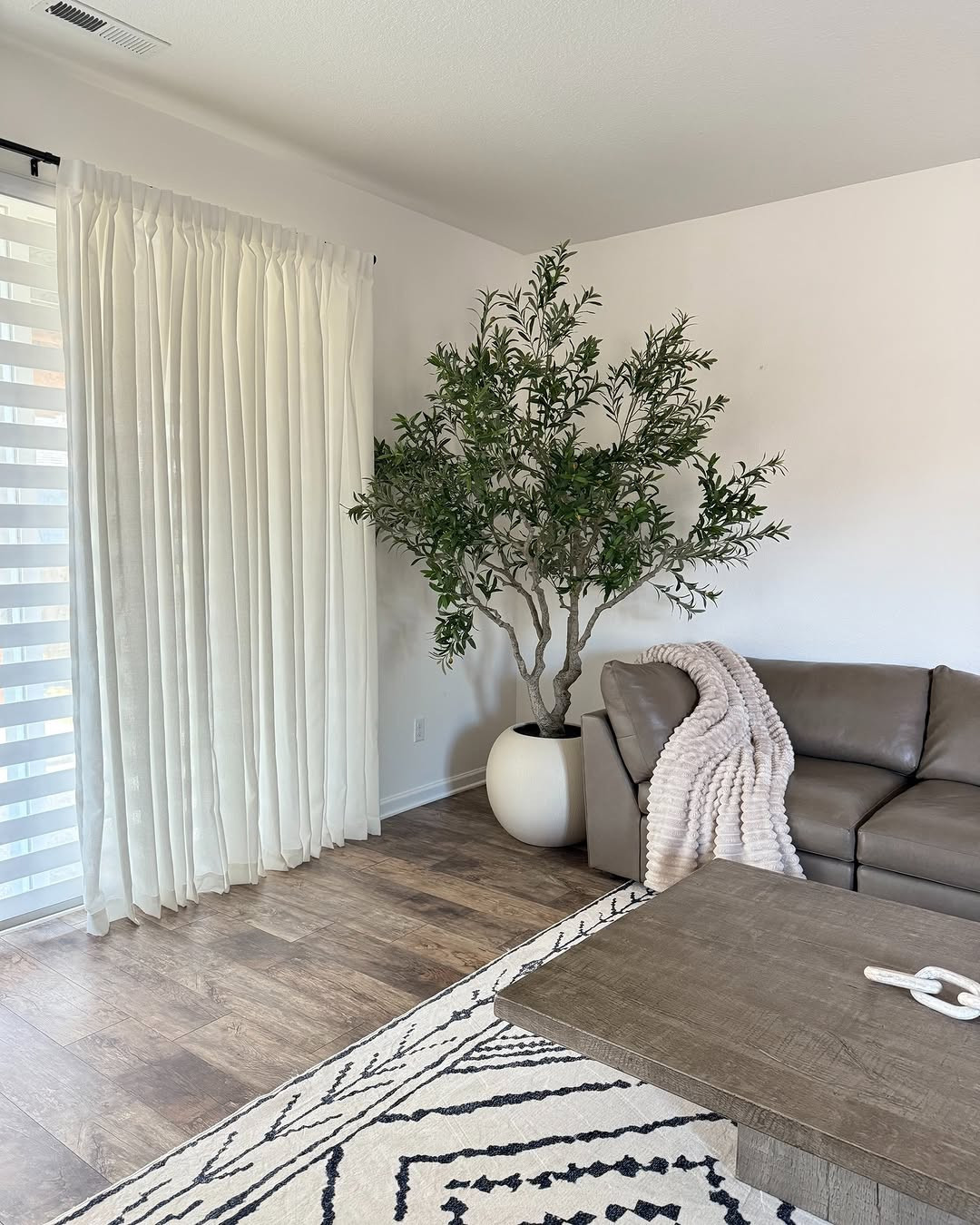
Credit to @ixacurtains_official
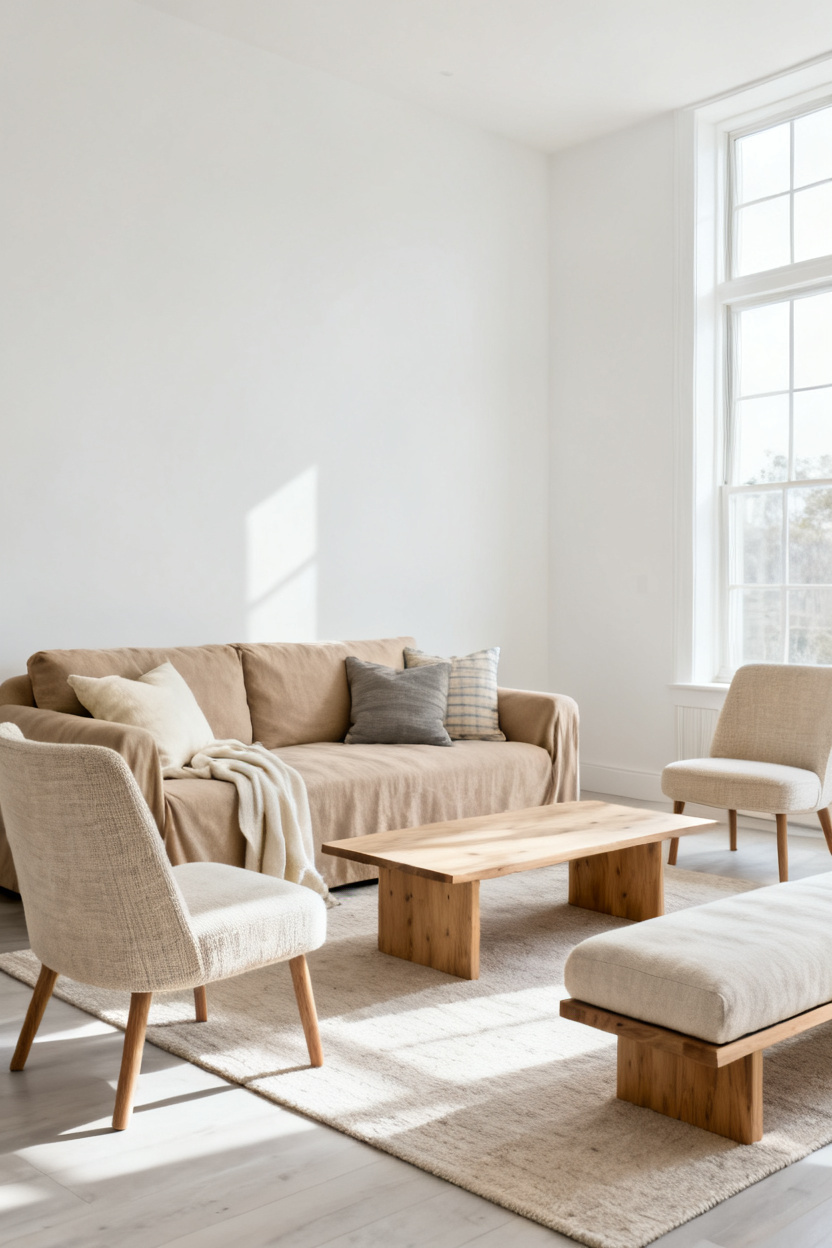
3. Choose Breezy Upholstery Fabrics
The fabric on your sofa and chairs shapes the room as much as the color on the walls. Light, touchable upholstery fabrics help your family room feel casual, fresh, and easy to sink into.
Pick fabrics that look relaxed
Some materials instantly make a room feel lighter. Linen, cotton, slub weaves, and soft blends have a casual texture that works beautifully in family rooms because they do not look stiff or overly polished. They catch light in a soft way and add just enough texture to keep pale furniture from looking flat.
This matters a lot when you are trying to create a bright and airy space. A bulky sofa in a dark, shiny fabric can feel heavy, even if the room itself is painted white. A slipcovered linen-blend sofa or a cotton chair in a warm neutral shade feels easier on the eye. It invites you to sit down and stay awhile.
Balance comfort with daily life
Of course, a family room has to work hard. Kids climb on the sofa, pets claim the best chair, and snacks somehow travel everywhere. That does not mean you have to give up on soft, light-looking fabrics. It means you choose wisely. Medium-tone oatmeal, flax, warm gray, and soft beige often hide wear better than pure white, while still keeping the room bright.
Texture helps here too. A woven fabric with a little visual variation can disguise everyday use far better than a perfectly flat surface. I like fabrics that feel natural but still have enough body to keep their shape. They look relaxed, and they age in a forgiving way, which is exactly what a busy family room needs.
Layer in softness beyond the sofa
Upholstery does not stop with the main seating. Ottomans, accent chairs, benches, and even dining-style side chairs in an open-plan room all affect the mood. If every upholstered piece is dark or visually dense, the room starts to feel crowded. If those pieces share a light and casual texture, the whole space feels connected.
Add soft throws, washed-look pillow covers, and a rug with gentle texture to support that breezy feel. Keep patterns loose and calm. Thin stripes, faded checks, and quiet organic prints work better here than busy, high-contrast designs. The goal is comfort you can see before you even sit down.
4. Layer Lighting for Soft Even Glow
An airy family room should still feel warm after sunset. A thoughtful mix of layered lighting keeps the space bright, calm, and flattering at every hour.
Start with the main source
Ceiling lighting sets the base level of brightness in the room, so it should feel soft rather than harsh. Flush mounts, simple chandeliers, and understated pendants with diffused shades work well because they spread light instead of sending a sharp beam straight down. If the room has recessed lights, dimmers make a huge difference and give you control over the mood.
A single bright overhead fixture rarely creates the relaxed feeling people want in a family room. It lights the room, but it does not shape it. You need enough general light to move around easily, yet not so much that the space feels flat or glaring.
Use lamps to create comfort
Table lamps and floor lamps bring the room down to a human level. They light the places where people actually sit, read, talk, and unwind. That makes the room feel more intimate and more useful at the same time. A lamp beside the sofa, another near a reading chair, and a small lamp on a console can soften the room in a way overhead lighting never can.
Shade choice matters here. Linen, cotton, paper, and frosted glass shades all help give off a gentle glow. Dark solid shades can block too much light, and bare bulbs often feel too sharp for a relaxed family room. Warm bulbs are usually the better choice because they flatter natural materials and make pale colors feel richer instead of cold.
Light the edges of the room
If the center of the room is bright and the corners are dark, the space can feel smaller than it is. Wall sconces, picture lights, or a slim floor lamp in a forgotten corner help spread light more evenly. This makes the whole room feel fuller and calmer, especially in the evening.

Credit to @inlinelighting
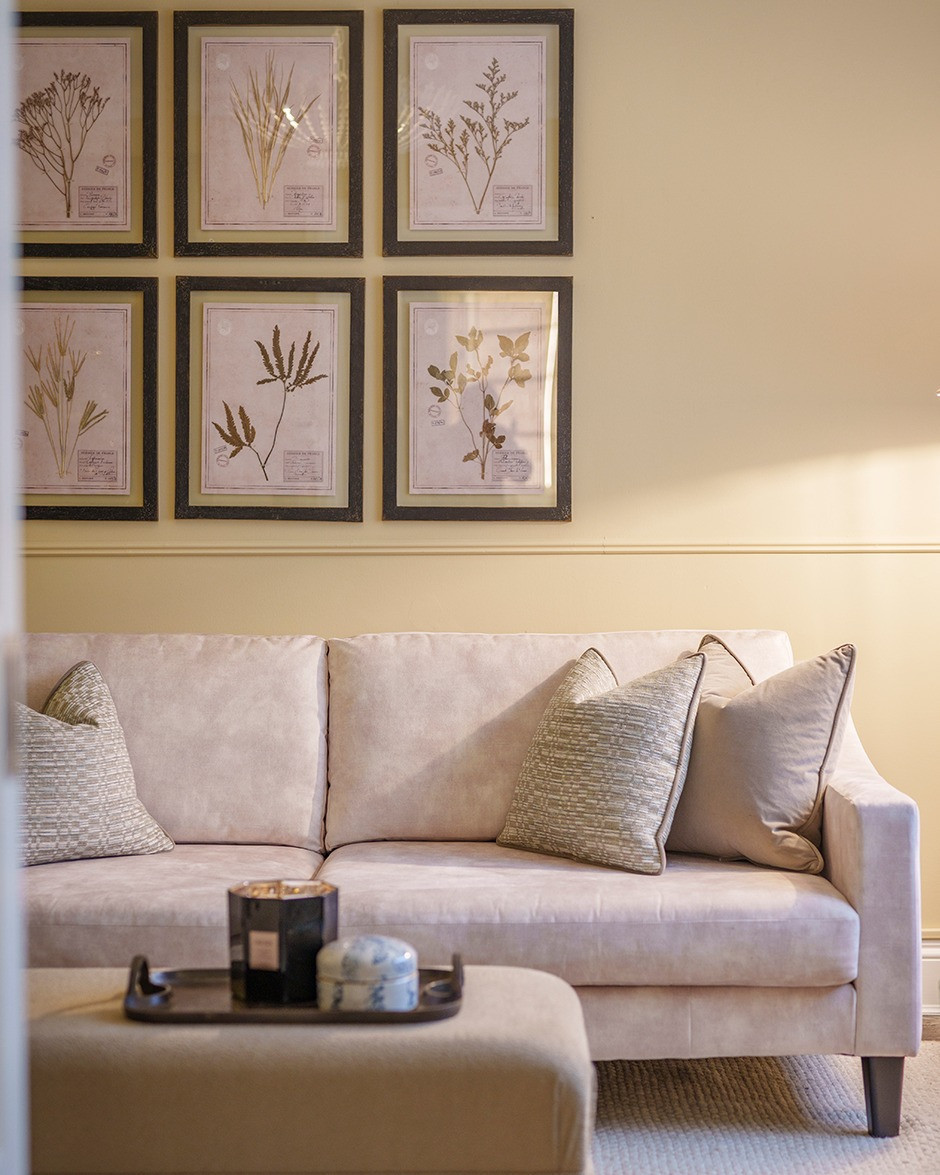
5. Use Furniture With Visual Lift
Visual lift means choosing family room furniture that looks lighter on its feet, not stuck to the floor. You feel the difference right away. A sofa with raised legs, a slim coffee table, and chairs with open space underneath can make the whole room feel brighter, calmer, and easier to move through.
Why raised pieces feel easier
Heavy furniture can make a family room feel smaller than it is. The eye stops at every bulky shape, and the room starts to look packed even when you have not added much. Pieces with visible legs change that. They let light and sight lines pass under them, which creates more breathing room across the floor.
You do not need every item to be thin or delicate. In fact, a room feels better when there is some contrast. I like a comfortable sofa with neat legs, then a soft ottoman or one solid wood piece to keep the space grounded. That mix helps the room feel relaxed instead of overly styled.
Shape matters as much as size
Many people focus only on measurements. Size matters, but shape has just as much power. A long low sofa can feel less crowded than a deep overstuffed one, even if both take up about the same footprint. The same goes for armchairs. Open arms, slimmer frames, and balanced proportions make seating look easier on the eye.
A glass or narrow wood coffee table often works better than a chunky square one in a bright airy family room. You still get function, but the center of the room stays open. That open center helps the whole layout feel less blocked.
A better balance for real life
This idea works especially well if your family room also handles play, reading, TV time, and weekend lounging. You want comfort, but you also want the space to feel free and uncluttered. Furniture with visual lift gives you both. It keeps the room practical without adding visual weight.
If you are replacing only one piece, start with the largest one. A sofa or media console with legs can shift the feel of the room more than a dozen small decor changes. I have seen rooms brighten up from that one move alone, even before anything else changed.
Credit to @finlinefurniture
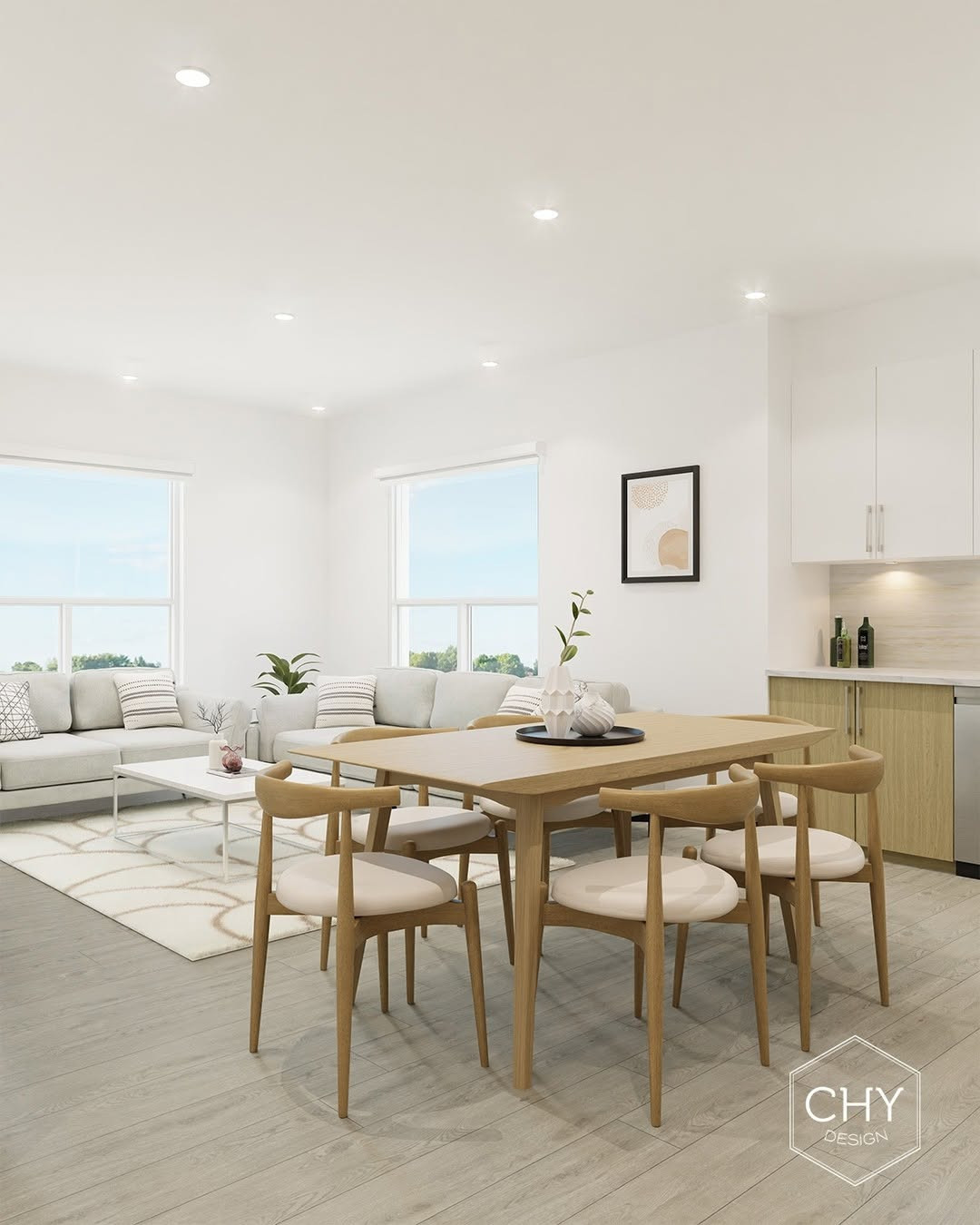
6. Bring in Natural Wood Tones
Natural wood tones warm up a family room without making it feel dark or heavy. They bring in an easy, lived-in feeling that paint and fabric alone cannot create. Pale oak, ash, maple, and lightly finished walnut all work well when you want a bright space that still feels welcoming.
Warmth that still feels fresh
A family room can look clean and airy, yet still feel cold if every surface is white, gray, or painted. Light wood fixes that fast. It softens sharp edges and adds a quiet natural note that feels easy to live with every day. You see it in the grain, the tone, and the way it catches sunlight.
The best part is how forgiving it is. Light wood does not demand perfect styling. A simple side table, a wood frame, or a low bench can do enough. The room starts to feel more settled, and that calm warmth carries through the whole space.
Where wood works best
You do not need to cover the room in matching wood furniture. That can look flat and too planned. Spread wood tones through the room in small but noticeable ways. A coffee table, a pair of end tables, a picture frame, or open shelving can create rhythm without making the space look busy.
Try to keep the finish close to natural. Very orange stains can fight the light, relaxed mood. Very dark stains can feel formal and heavy. A matte or low-sheen finish usually looks softer and more current, and it blends well with linen, cotton, woven baskets, and simple upholstery.
Mixing wood without the mismatch
Many people worry that different wood tones will clash. In most family rooms, they do not, as long as the tones share a similar feeling. Two or three light to medium woods usually look collected and natural. The room feels more real that way, less like a furniture showroom.
I like to repeat one undertone so the mix feels steady. If your coffee table has a soft honey tone, echo that warmth in a frame or lamp base somewhere else in the room. That small repeat helps everything connect, even when the woods are not identical.
Credit to @chy.design
7. Keep Layouts Open and Easy
Open layout is not about making a room empty. It is about giving every piece enough space to work, so your family room feels calm, useful, and simple to move through. Good spacing can make even a modest room feel more relaxed.
Make movement feel natural
A family room should not make you twist around corners or squeeze past furniture. People should be able to cross the room without bumping a table or stepping around a chair leg. That simple idea changes everything. It makes the room feel welcoming the moment you walk in.
Start with the main path through the space. Then arrange seating around it instead of across it. This does not mean pushing all the furniture to the walls. It means giving the room a clear route that feels obvious and comfortable.
If your room connects to a kitchen, hallway, or patio door, traffic flow matters even more. A beautiful layout can still feel frustrating if it blocks daily movement. I have found that moving one chair just a foot to the side can suddenly make the whole room feel easier.
Keep conversation close
An airy room still needs connection. If the sofa and chairs sit too far apart, the room can feel scattered. Bring seating in enough so people can talk, pass a drink, or put their feet up without shouting across the space. That closeness adds comfort without crowding the room.
Use one rug to anchor the main seating group if you need a stronger sense of order. It helps define the zone and keeps furniture from drifting apart. In open-plan homes, this matters a lot because the family room needs its own shape.
Less furniture, better function
Many rooms feel cramped because they have one extra piece that does not need to be there. It might be a side chair nobody uses or a large table that eats up the center of the room. Remove it, and the room can breathe again.
Choose furniture that earns its place. A bench that offers extra seating, a round table that softens traffic flow, or a compact sectional that fits the room well will do more than several awkward pieces. Space itself is part of the design, and you should treat it that way.

Credit to @richmondamerican
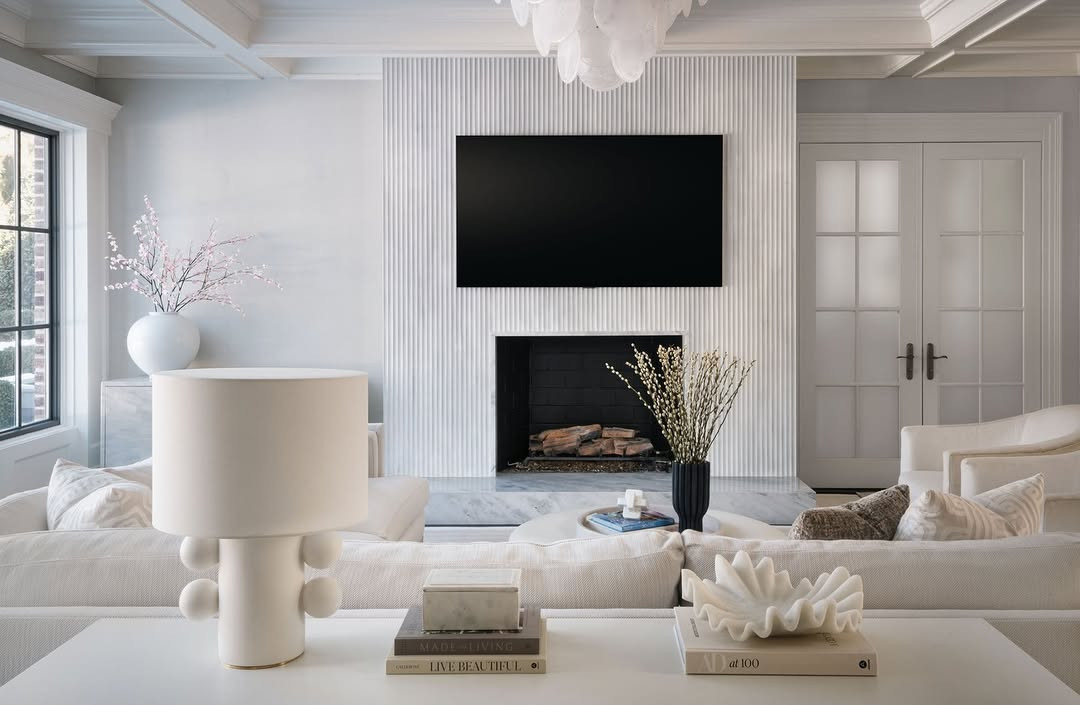
8. Add Texture Without Visual Clutter
Texture gives a family room depth and comfort, but too much pattern or too many accessories can make the space feel busy. The goal is simple. You want the room to feel layered and cozy while still looking light, clean, and restful.
Soft layers that do not crowd the eye
Texture works best when the colors stay calm. A woven rug, a nubby throw, and a few pillows in similar tones can make a room feel rich without adding visual noise. You notice the materials before you notice any strong contrast, and that is exactly what keeps the space airy.
Think about surfaces people touch every day. A soft throw over the sofa, a basket near the fireplace, or a linen pillow can add comfort in a very quiet way. These details matter because they bring warmth without asking for attention.
Pick fewer, better accents
It is easy to keep adding. One more blanket, one more tray, one more decorative object. Then the room starts to lose its calm mood. A better approach is to choose a few textured pieces with real presence and let them breathe.
A large woven basket often does more than several small decor items. The same goes for a substantial rug with a subtle pattern. Bigger pieces can ground the room and reduce the need for extra accessories scattered across every surface.
Credit to @jla_designs
9. Decorate With Greenery and Branches
Greenery gives a family room a fresh, lived-in feeling without adding visual weight. It brings shape, color, and a quiet sense of movement, which helps the room feel relaxed instead of stiff. In a bright and airy space, plants work almost like a gentle accent. They fill empty spots in a soft way and keep the room from looking flat.
Use Organic Shapes
A family room often has many straight lines. You see them in the sofa, media unit, shelves, and window frames. Plants and branches break up those hard edges. A loose olive branch in a tall vase or a leafy plant near the window can make the room feel more natural in seconds.
I like this idea because it does not ask for a full redesign. You can place a simple arrangement on a coffee table, tuck a floor plant beside a chair, or set a small pot on a side table. The room starts to feel softer right away. That shift matters in a space where people gather, snack, watch movies, and stretch out at the end of the day.
Pick Plants That Suit the Room
The best plant is not always the biggest one. In a bright family room, think about scale first. A large rubber plant can anchor an empty corner, but a few smaller stems may work better if the room already has enough furniture. Branches are especially useful because they add height without making the room feel crowded.
Color matters too. Stick with greens that feel quiet and natural. Skip fussy arrangements with too many mixed tones if your goal is a calm look. You want the eye to rest. Simple leaves, airy stems, and natural vessels help everything stay easy and light.
Keep It Casual
There is a big difference between decorated and overdone. Family rooms feel best when the greenery looks effortless. A bunch of eucalyptus in a ceramic pitcher, cut branches from the yard, or one healthy plant in a woven basket often looks better than several tiny items scattered everywhere.
If you have kids or pets, place delicate plants out of traffic paths and choose sturdy planters that will not tip easily. Real plants are lovely, but good faux branches can still add shape and softness if upkeep feels like one more job. The point is not perfection. The point is a room that feels fresh every day.

Credit to @studiomcgee
10. Make Storage Blend Into the Room
A relaxed family room is hard to keep that way if blankets, toys, remotes, and chargers stay in sight all day. Blended storage solves that problem by giving daily clutter a home without making the room look busy. The best storage pieces feel like part of the design, not an extra layer added in panic after the mess appears.
Hide the Daily Mess
Open rooms feel lighter, but they also show everything. That is why hidden storage matters so much in a family space. A storage ottoman can hold throws and board games. A coffee table with drawers can hide remotes, cords, and all the small things that seem to multiply overnight.
You do not need custom built-ins to get this look. Closed cabinets, low consoles, and baskets with lids can do a lot of work. What matters is keeping the room visually calm. Once small items disappear behind doors or inside baskets, the whole space looks cleaner, brighter, and more restful.
Choose Pieces That Match the Room
Storage works best when it blends with the tone of the family room. If your room feels light and airy, heavy dark units may pull it down. Look for pieces in warm white, soft taupe, pale wood, or woven textures that echo the rest of the space. That keeps storage from feeling bulky.
I also like furniture that does two jobs at once. A bench under the window can hold baskets below. A slim cabinet can display a lamp and hide puzzles inside. These pieces save space and make the room feel thoughtful instead of packed with too many things.
Make It Easy to Maintain
Storage only helps if people can use it fast. If every basket has a different purpose and every cabinet is too full to close, the system falls apart by the end of the week. Keep categories simple. One basket for blankets, one drawer for tech, one bin for kids’ items. That is enough.
Think about your real habits, not your ideal ones. If shoes always land by the sofa, add a basket nearby. If your family always grabs throws at night, keep them in the ottoman instead of a far closet. Good storage follows the way you live, and that is what makes the room stay peaceful longer.
11. Use Art to Reinforce Calm
Art can shape the mood of a family room as much as furniture or lighting. In a bright space, the goal is not to fill every wall. It is to choose calm art that supports the atmosphere you already built. The right pieces add personality and warmth, but they do not fight for attention the second you walk in.
Pick Gentle Subject Matter
Some artwork wakes a room up. Some artwork settles it down. For a relaxed family room, soft landscapes, abstract neutrals, line drawings, and quiet nature scenes usually work best. They add interest without creating tension. That matters in a room meant for conversation, reading, and slow evenings at home.
If you love color, you can still use it. Just keep it controlled. Dusty blue, sage, sand, clay, and muted charcoal tend to sit well in airy spaces. Loud contrast can make the room feel sharper and more crowded, even when the walls and furniture stay light.
Think About Scale and Breathing Room
Many people hang art that is too small, then add more and more pieces to make the wall feel finished. The result often looks scattered. One larger piece can feel calmer than a cluster of tiny frames. It gives the eye a place to land and leaves more blank wall around it, which helps the room breathe.
A restrained gallery wall can work too, especially if the frames share a similar tone and the art has a connected mood. Keep spacing even. Let the arrangement feel intentional. You want the wall to support the room, not take it over.
I have seen family rooms change just by lowering the art a few inches and removing one extra frame. Small edits can make everything feel more grounded. Sometimes less art creates more impact.
Use Framing to Keep Things Soft
The frame matters almost as much as the print. Pale wood, oak, white, black, and thin brass frames tend to keep a room looking clean and open. Thick glossy frames can feel heavy in a space that is trying to stay light. Mats also help because they create space around the image and make the whole piece feel quieter.
Try repeating one frame finish across the room so the art feels connected to the other finishes. That simple link makes the room look pulled together without looking staged. Art should feel personal, but it should also let the room exhale.
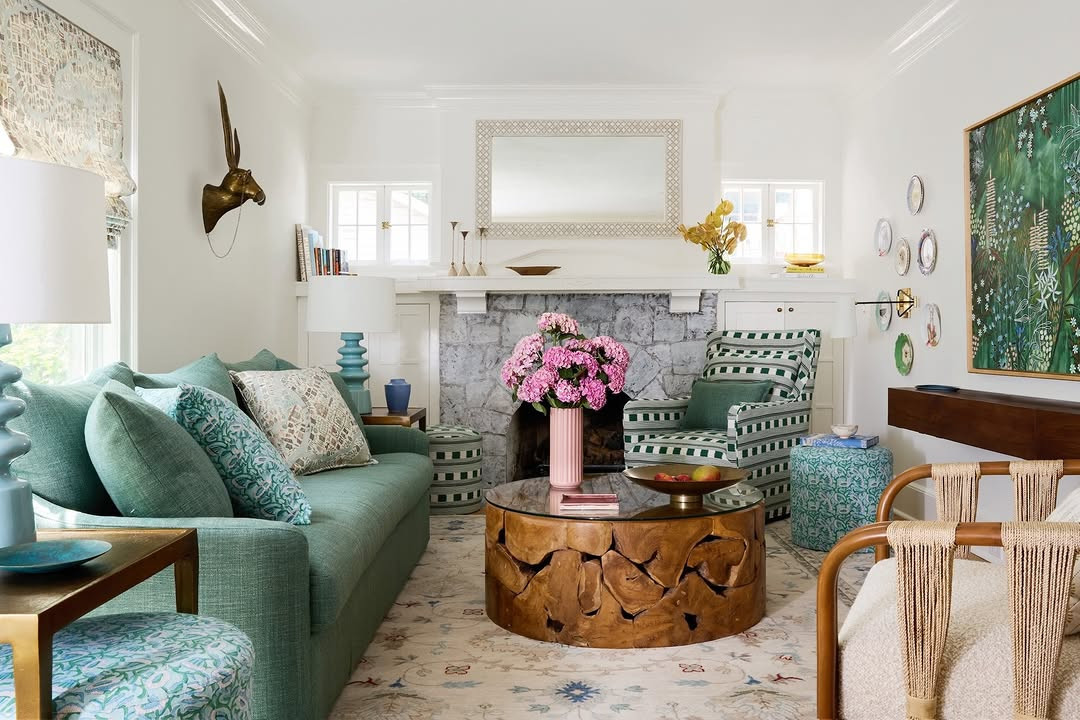
Credit to @styledbystorms
12. Ground the Room With a Rug
A well-chosen area rug can make a bright family room feel finished in a way nothing else can. It defines the seating zone, softens hard floors, and helps separate the family room from nearby spaces in an open layout. Even in a light and airy room, you still need something that anchors the furniture so the space does not feel like it is floating.
Why a Rug Changes the Feel
Hard surfaces can make a room look clean, but they can also make it feel a bit cold. A rug adds warmth right where your family gathers most. It softens foot traffic, helps absorb sound, and gives the room a more settled mood without making it darker or heavier.
Light-toned rugs work especially well here. Cream, sand, oatmeal, pale gray, and soft taupe all keep the room open and bright. A subtle pattern can hide daily wear better than a solid rug, which is useful in a room used for movie nights, snacks, pets, and play.
Size Matters More Than Pattern
Many family rooms suffer from rugs that are too small. When only the coffee table fits on the rug, the seating area can look disconnected. A larger rug that reaches under at least the front legs of the sofa and chairs makes the whole arrangement feel more united and calm.
I always notice this first in a room. The right size brings order without shouting for attention. If you want the room to feel airy, keep the pattern low contrast and the texture gentle. That gives you softness and definition at the same time.
Choose One That Works for Real Life
Your rug has to suit the way you live. In a busy family room, flatweaves, low-pile rugs, and easy-care materials often make more sense than very thick styles that trap crumbs and show wear fast. The best rug is one you will enjoy using, not one you worry about every hour.
Place a rug pad underneath so it stays in place and feels better underfoot. That small step makes the room safer and more comfortable. Once the rug is down, the seating area feels complete, and the whole room gets the quiet structure it was missing.

Credit to @kozardesignteam
Conclusion
The final layer of a bright family room is often the one people rush past. A branch in the right corner, a hidden basket, a quiet piece of art, or a rug that finally fits can change the whole mood. These ideas work because they support real life and still keep the room feeling light.
Save the ones that match your space first. Then try one change at a time. Small edits are often the ones you feel most every day.