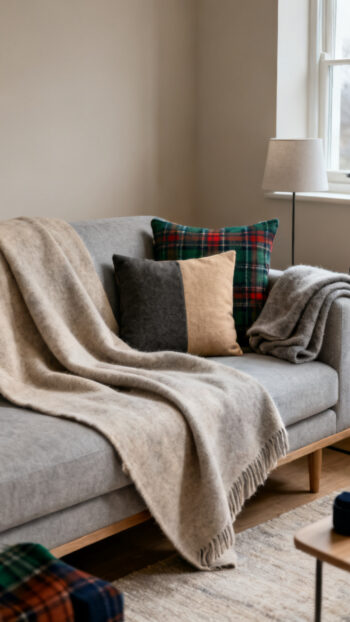
You do not need a big budget or expert skills to make your home feel warmer. These nine ideas help you turn simple wool into soft, useful decor that adds color, texture, and a handmade touch in just a few steps.
Picture fluffy pom-poms in warm cream and rust, thick yarn draped across a wall, and felted shapes tucked onto a tree or gift. Wool brings that gentle, cozy look people save again and again because it feels calm, personal, and timeless.
In the five sections ahead, you will find easy projects that look charming on shelves, mantels, laundry room counters, and coffee corners. Some are quick enough for one evening. Others become pieces you use for years.
1. Simple Wool Pom-Pom Garland
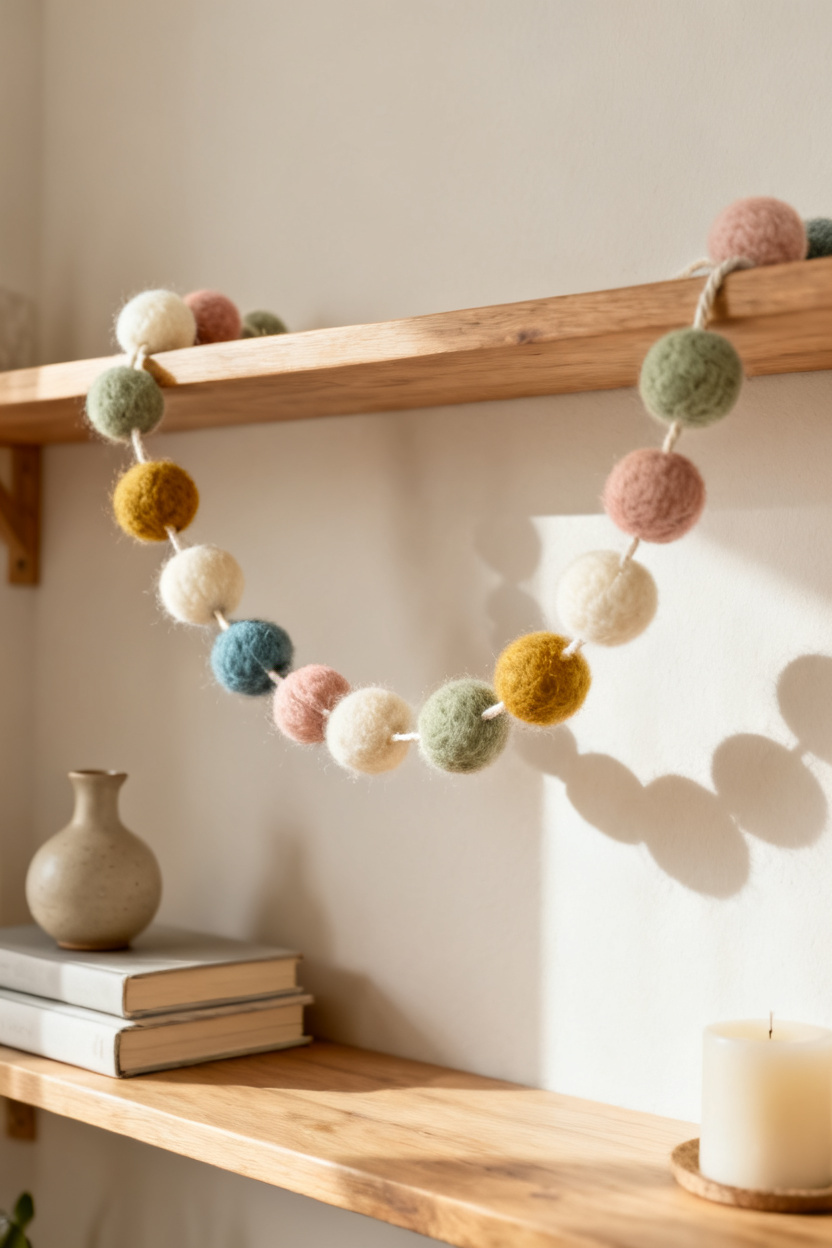
A soft wool pom-pom garland brings quick color and warmth to a shelf, mantel, or nursery wall. This is one of the easiest wool crafts DIY ideas because the shapes do not need to be perfect. In fact, a few uneven pom-poms often make the finished piece feel more relaxed and handmade.
You can make this project bright and playful or calm and natural, depending on your wool colors. Cream, blush, mustard, sage, and dusty blue all work well. The finished garland adds a gentle layer of texture without taking over the room.
Why This One Feels So Friendly
A pom-pom garland has instant charm. You do not need knitting needles, sewing skill, or special tools to get started. If you can wrap wool, tie a knot, and trim with scissors, you can make something that looks cheerful and polished in under an hour.
I like this project because it gives fast results. You can test color combinations on the table before you string anything together, which helps if you want the garland to match a holiday display, a baby room, or a cozy fall shelf. That little bit of freedom makes the craft feel fun instead of stressful.
Small Choices That Change The Look
The size of the pom-poms matters more than most people expect. Tiny pom-poms feel neat and sweet, especially on a narrow shelf or a child’s room wall. Larger ones look bolder and softer, and they stand out better on a fireplace mantel or above a bed where you want the detail to show from farther away.
Your string choice also changes the mood. Thick twine gives a rustic look, but simple cotton cord often looks cleaner and lets the pom-poms shine. Leave a little space between each one so the garland drapes naturally. If they sit too close together, the line can look heavy and stiff.
2. No-Knit Mug Cozy Charm
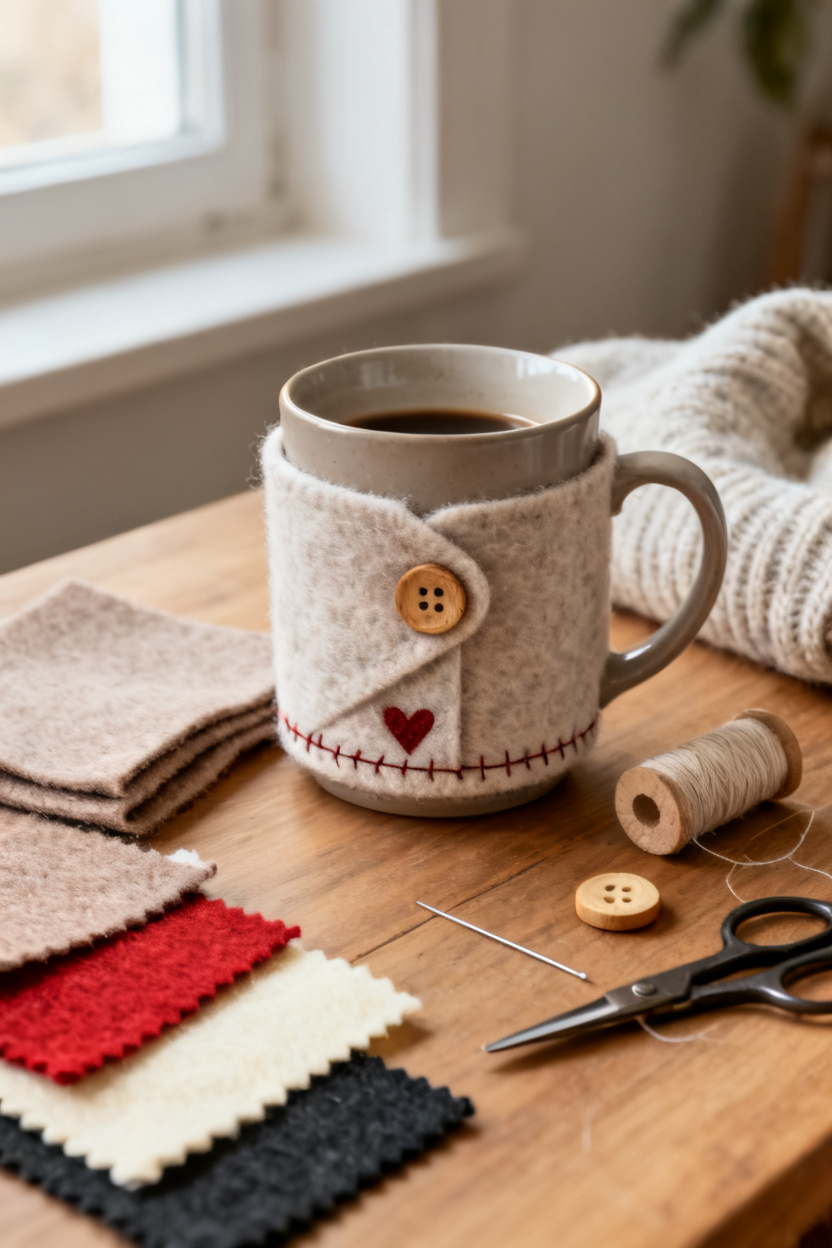
A wool mug cozy wraps your cup in softness and makes an everyday drink feel more special. This project is ideal if you want a useful craft that does not ask much from you. It works well for beginners, and it also makes a lovely handmade gift for a friend, teacher, or neighbor.
A simple cozy can change the feel of your morning in a small but real way. Your tea or coffee looks nicer, your hands feel a little more protected, and the cup suddenly has personality. Sometimes those small details matter most.
A Quick Win For Beginners
This project suits people who want a craft they can finish the same day. You can cut a strip of wool felt or repurpose an old wool sweater, wrap it around the mug, and secure it with a button, stitch, or strong fabric glue. The shape is simple, so you spend more time choosing pretty details than struggling with construction.
If you are new to wool crafts DIY ideas, this is a smart place to begin because it teaches you how wool behaves. You see how thick felt holds form, how soft sweater wool stretches, and how edging changes the final look. Those lessons help later when you move on to bigger projects.
Details That Make It Gift-Worthy
The best mug cozies have one little detail that catches the eye. A wooden button, a line of blanket stitch, or a tiny stitched heart can do the job. You do not need much. A single accent often looks better than too many extras, especially on a small piece.
Color helps too. Oatmeal wool with brown thread feels classic. Red with cream stitching looks festive in winter. Charcoal with a brass button feels clean and modern. Choose shades that fit the season or the person who will use it, and the cozy starts to feel personal right away.
How To Make It Last
A mug cozy should fit snugly but not too tight. If it strains around the cup, the edges may curl or the closure may pull loose over time. Measure around the widest part of the mug and leave a little room for overlap so the finish looks neat.
Use wool felt or a dense sweater section if you want the cozy to hold its shape after repeat use. Thin wool can still work, but it may stretch more than you expect. I also like to test the wrap around the mug before adding the closure. That quick step saves time and helps the cozy sit straight.
3. Soft Felted Wool Ornaments
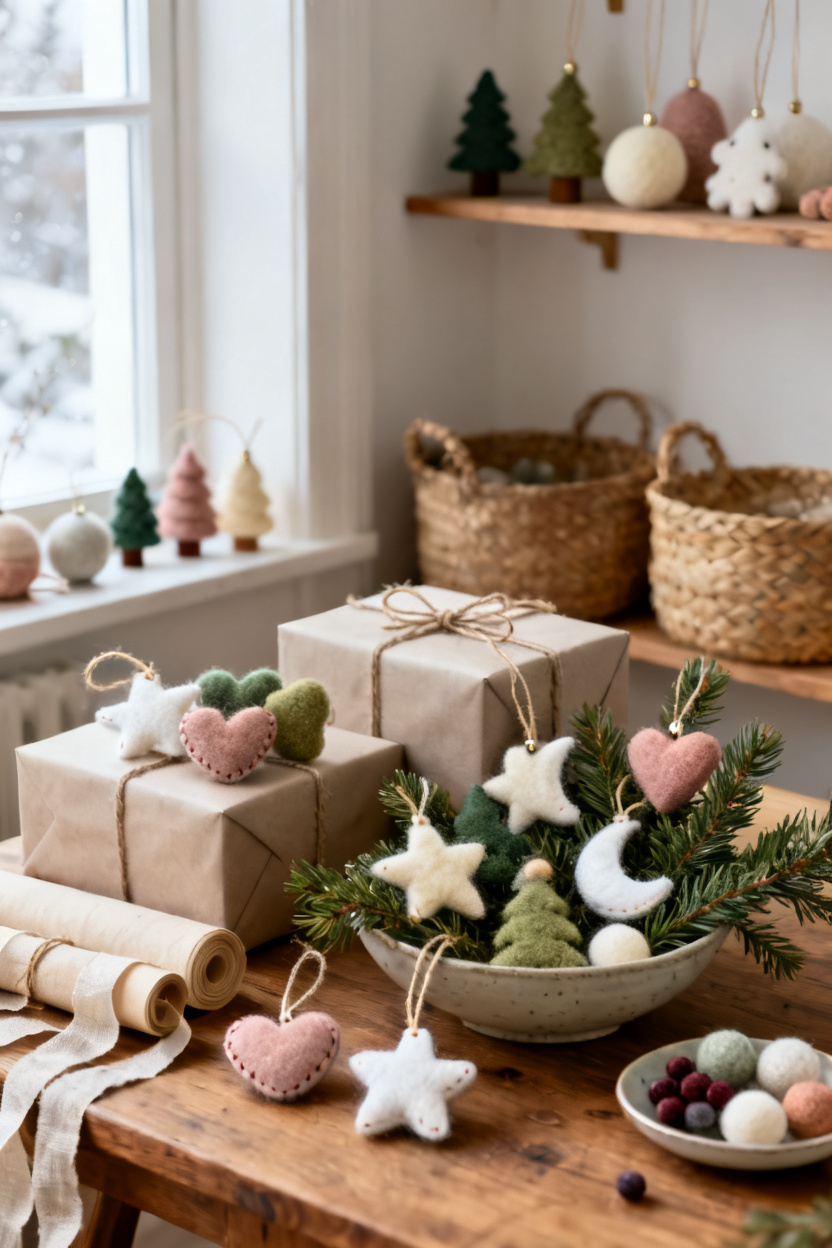
Felted wool ornaments add gentle color and handmade detail to trees, shelves, and wrapped gifts. These small pieces do a lot. They can mark a season, soften a room, and turn even simple decorating into something more personal.
Because they are small, ornaments are a great way to use leftover wool in lovely shades. Think soft white stars, moss green trees, dusty pink hearts, or tiny neutral balls tied with string. They look sweet in winter, but they also work year-round in bowls, baskets, or nursery decor.
More Than Tree Decor
Many people think ornaments belong only on a holiday tree, but felted wool pieces can go much further than that. You can tie them onto gift wrap, hang them from drawer knobs, or place them in a shallow dish on a coffee table for a soft seasonal touch. Their size makes them flexible, and their texture gives even simple shapes more presence.
That is why this craft stays popular. A flat paper tag may get tossed away, but a wool ornament often gets saved and used again. If you make a small set in matching colors, you can spread them around the house and create a quiet thread of style from room to room.
Shapes That Always Look Charming
Stars, hearts, trees, moons, berries, and simple circles all work well because they are easy to cut and easy to recognize. If your sewing is basic, start with shapes that have smooth edges and do not need tiny corners. The wool itself adds enough visual interest, so the design does not need to be complicated.
For the prettiest finish, stuff each ornament lightly. Too much filling can make a small shape bulky and uneven. Too little can make it collapse. Aim for a soft, pillowy shape that still shows a clean outline. That balance gives your felted wool ornaments a tidy look without losing their handmade warmth.
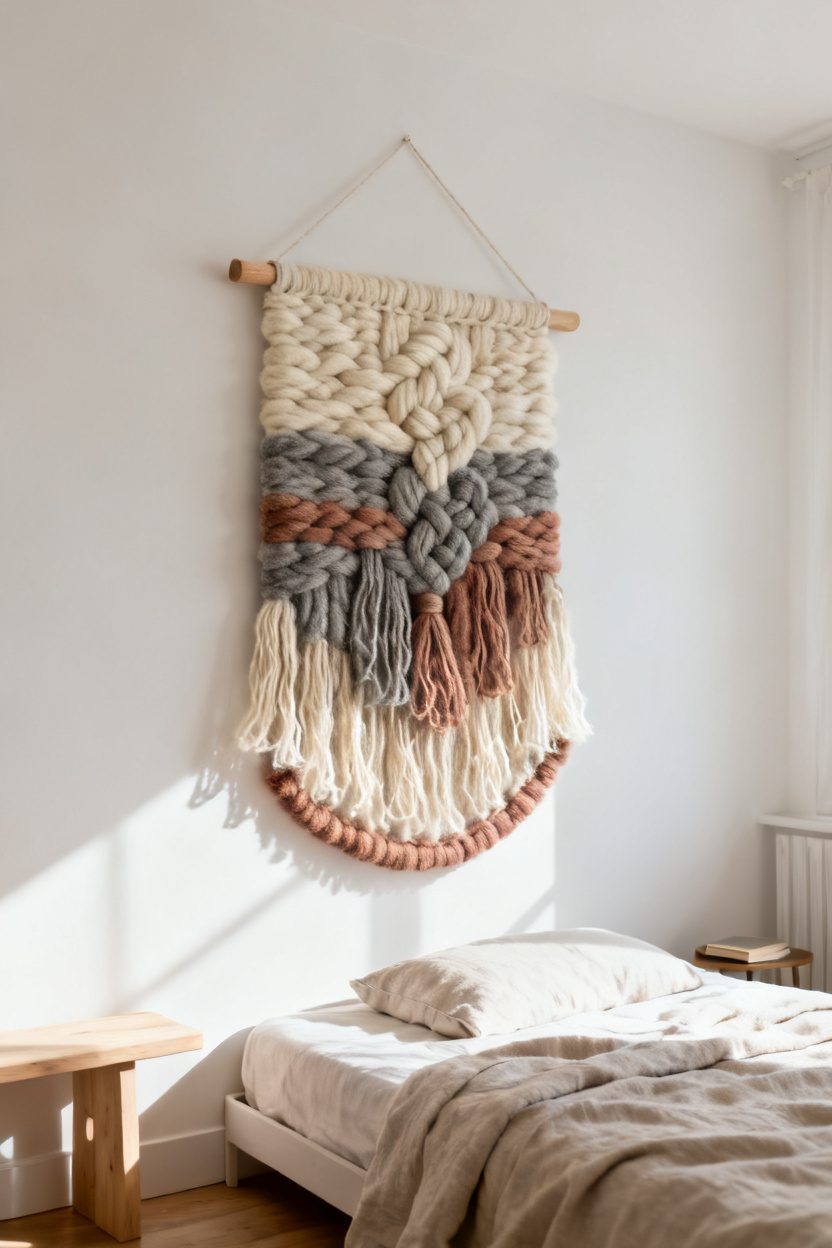
4. Chunky Yarn Wall Hanging
A chunky yarn wall hanging brings depth and softness to a room without the cost of large framed art. This project is perfect if your walls feel flat or cold. Thick wool creates movement, texture, and a cozy look that paint alone cannot give.
You do not need advanced weaving skills to make one. A simple dowel, a branch, or even a smooth stick can hold the yarn. Once you start layering strands, knots, and lengths, the piece begins to look rich and custom.
Texture Changes The Whole Room
Flat rooms often need one thing more than color. They need texture. A chunky wall hanging softens hard lines from windows, shelves, and furniture, and that change can make a space feel calmer right away. Bedrooms, reading corners, and living rooms all benefit from this effect.
Wool has a special way of catching light. In the morning it can look airy and pale, and in the evening it can feel deeper and warmer. That quiet shift gives the room more life than a plain poster or print. The piece does not shout for attention, but it still changes the mood.
Easy Ways To Build Shape
If you are worried about making the design look balanced, start with only two or three yarn colors. Neutrals such as cream, beige, gray, and clay are forgiving and tend to blend well with many homes. You can also mix looped strands with straight hanging ones to create contrast without making the design look busy.
Length matters as much as color. Shorter center pieces feel neat and modern, while longer pointed shapes feel more soft and flowing. Lay the yarn on a table before attaching it so you can see how the outline will read from across the room. That small planning step makes the final piece look much more intentional.
Where This Craft Works Best
This wall hanging shines in spots that need warmth but not clutter. Above a bed, beside a desk, or over a bench in the entry can all work beautifully. Because wool is soft and matte, it plays well with wood, linen, white walls, and simple furniture.
I have found that smaller wall hangings often look better than oversized ones in tight spaces. A large piece can feel heavy if the room already has many shelves or frames. A medium piece with visible chunky yarn gives the same cozy effect and still leaves the room breathing space.
One Finish That Looks More Polished
Before you hang the piece, trim the bottom edge slowly and in stages. It is tempting to cut one bold shape at once, but small trims give you better control. Step back every few cuts and check the outline from a distance.
This matters because wool can shift after you knot it in place. A line that looked even on the table may dip once the piece hangs. By trimming late, not early, you can shape the design around its true fall and get a cleaner final result.
5. Handmade Wool Dryer Balls
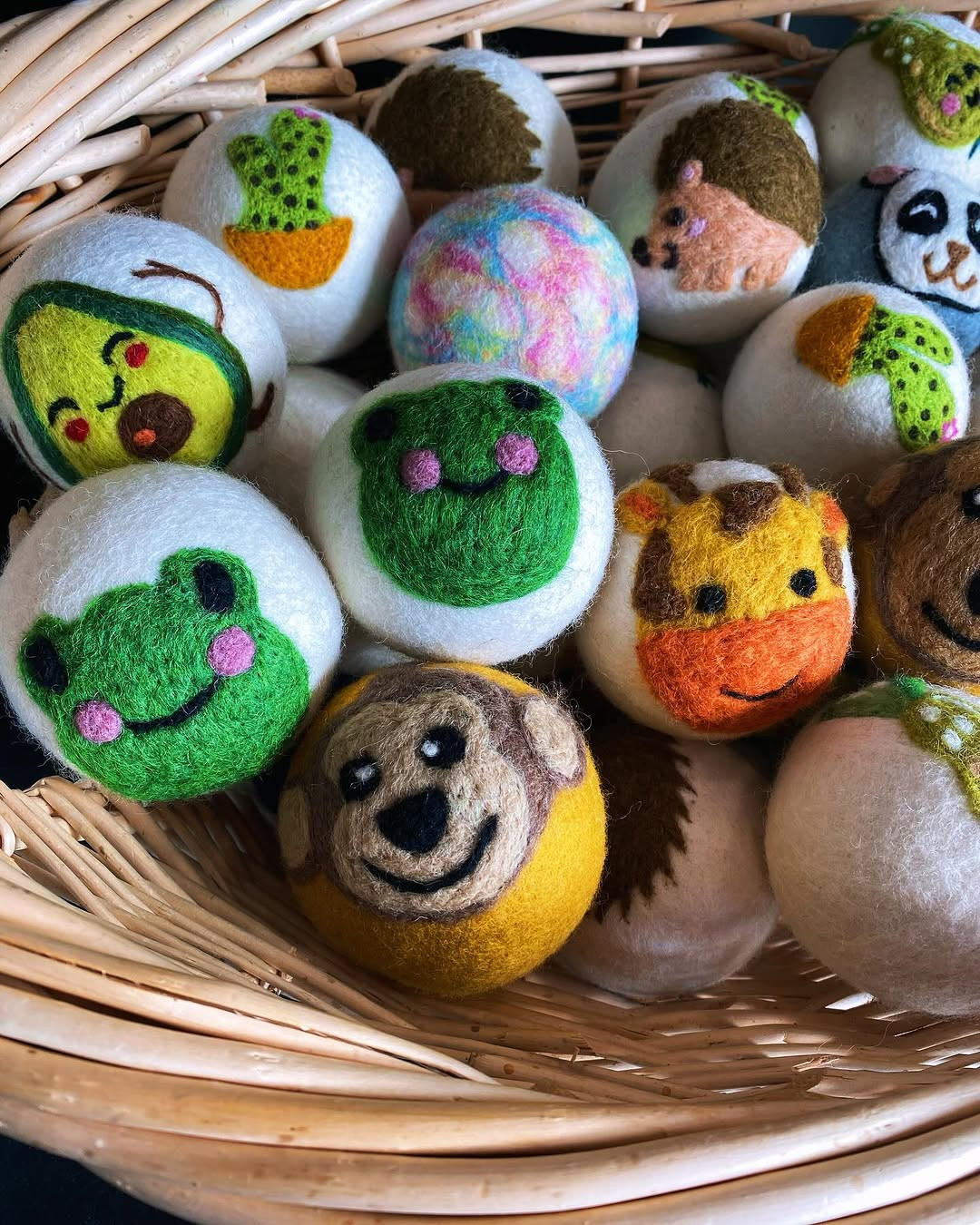
Wool dryer balls are a practical craft that helps your laundry room feel less like a chore zone and more like a thoughtful part of the home. They are useful, simple to make, and easy to use again and again. That mix of beauty and purpose is hard to beat.
This project also proves that handmade items do not need to sit on a shelf to be worth your time. Some of the best wool crafts DIY ideas are the ones you reach for every week. Dryer balls fit that role perfectly.
A Craft You Will Actually Use
Many people enjoy crafting but do not want more decorative pieces than they can display. Dryer balls solve that problem because they earn their place. Once finished, they go straight into your laundry routine and keep working with every load.
You make them by winding wool tightly into firm balls, then felting them so the shape stays secure. The process feels repetitive in a good way, almost calming, and the finished set looks pleasing in a basket or glass jar. Useful can still be pretty.
Why Homemade Often Feels Better
Store-bought dryer balls can work well, but making your own lets you control the size and density. That matters because loosely wound balls may soften too much, and overly large ones can take longer to felt properly. When you make them yourself, you can adjust as you go and build a set that feels solid in your hand.
Credit to @greenerhomekc
6. Coiled Wool Basket Project
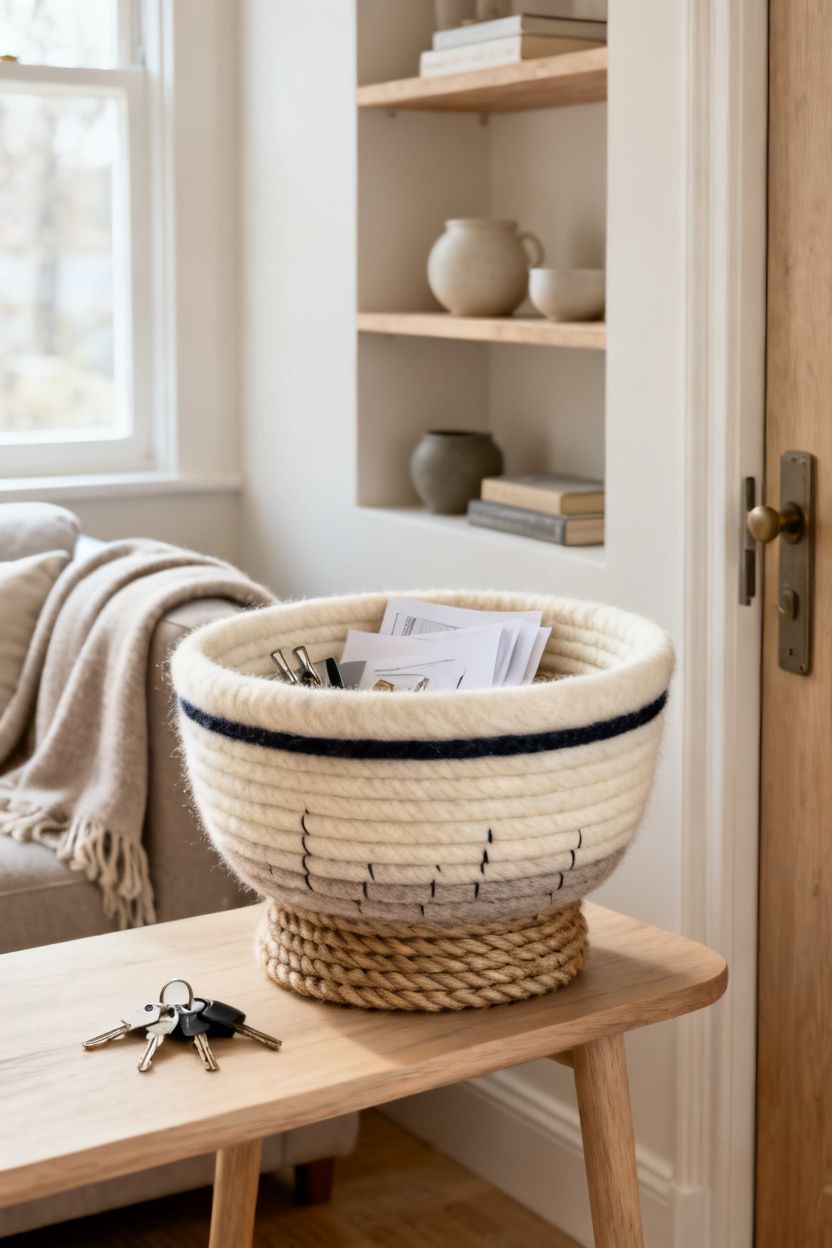
This soft storage basket wraps wool around a simple coil base, giving you a handmade piece that feels cozy and still holds its shape. You get the warmth of wool and the function of a catchall basket in one project. It looks at home on an entry table, beside a sofa, or on open shelves where you want storage to feel less harsh and more inviting.
Why this basket stands out
A coiled wool basket solves a common problem. Plastic bins work, but they often look cold. Fabric bins feel softer, yet they can slump over time. A wool-wrapped coil gives you a middle ground. It stays structured enough for daily use, but it still has that warm, handmade look people love in cozy interiors.
You can make the basket small for keys and clips, or wide for yarn, mail, or baby items. That size freedom matters. You are not stuck with one standard shape from a store shelf. I like that part most, because it lets you make storage fit your life instead of forcing your things into the wrong container.
Where it works best
This project shines when you need visible storage that still looks styled. Try it in a reading corner for knitting tools, on a desk for cords and notebooks, or in a bathroom for rolled washcloths. The wool surface softens hard spaces, especially rooms with wood, tile, or metal finishes.
Color changes the mood fast. Cream and oatmeal tones feel calm and simple. Charcoal or rust can look more modern. If you want a basket that shows well in photos, use one main shade and one narrow contrast stripe near the rim. That small detail gives the basket a finished look without making the project feel busy.
Make it easier on yourself
Use a strong cotton rope or pre-made coiling cord under the wool, then stitch slowly as you build upward. Keep the base flat before you start shaping the sides. If the bottom wobbles, the whole basket will feel off, and fixing it later is harder than taking a few extra minutes at the start.
For a cleaner result, wrap the wool evenly and keep your stitches close together near the top edge. That area gets seen the most. A neat rim makes the whole basket look polished, even if the inside is simple. Small detail, big payoff.
7. Stitched Wool Pillow Cover
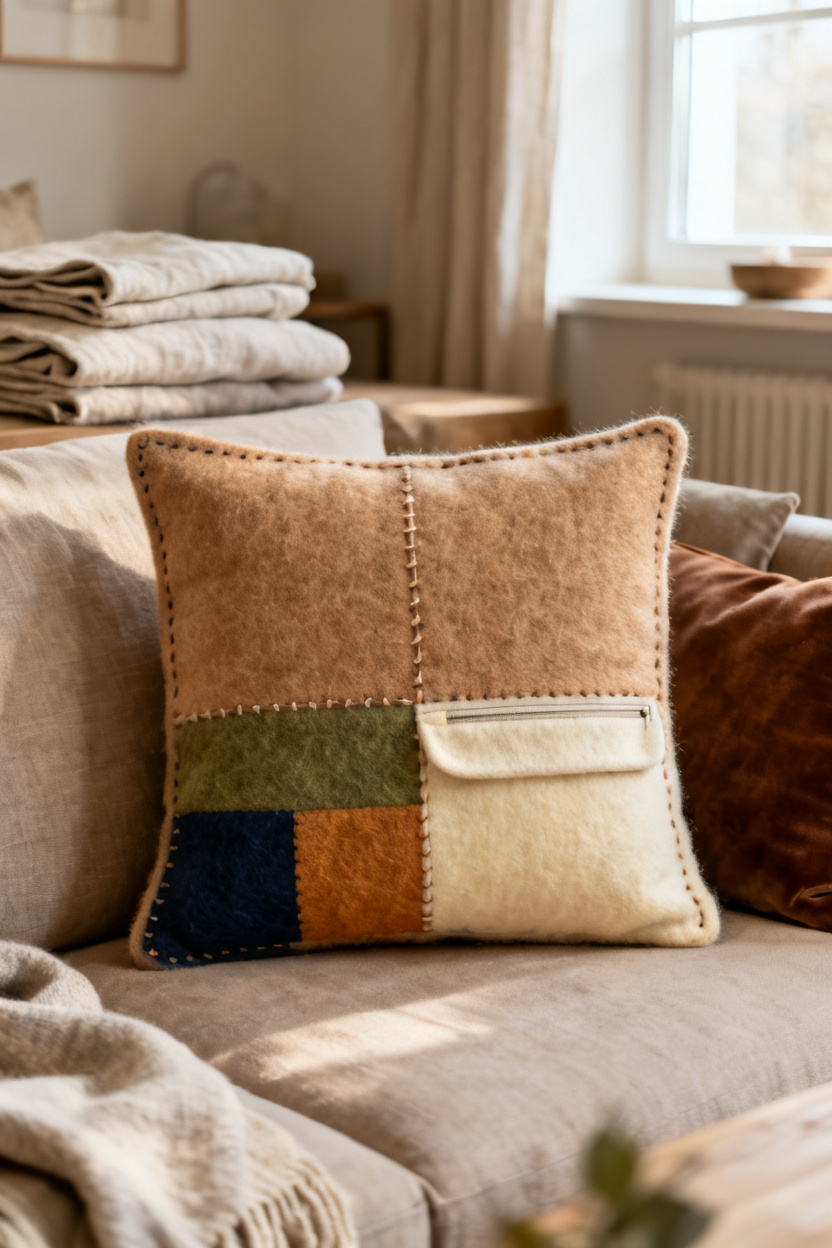
This pillow cover uses stitched wool panels to bring instant texture and warmth to a sofa, chair, or bed. It is one of the easiest ways to refresh a room without repainting or buying new furniture. A good wool pillow cover feels cozy to the touch, but it also works as visual texture, which matters just as much in a layered space.
Small project, big room change
Pillows do a lot of work in home decor. They break up flat surfaces, add depth, and help a room feel finished. A stitched wool cover goes further because the fabric already has body. Even a plain square shape can look rich when the wool has a visible weave or a slightly brushed finish.
You can stitch the cover from two simple panels, or piece together front sections for a color-block look. That second option is great if you have leftover wool from other projects. Instead of letting scraps sit in a drawer, you turn them into something useful and beautiful.
Choosing the right style
Think about where the pillow will live. A bench or accent chair often looks best with one bold pillow in a darker shade, such as camel, navy, or moss. A bed can handle softer tones and larger sizes. If your room already has patterns, choose solid wool with visible stitching. If the room is plain, a stitched stripe or patchwork front can wake it up.
Closure matters too. An envelope back is easier for beginners and keeps the look soft. A zipper gives a cleaner edge and helps the cover sit flatter. Neither choice is wrong. Pick the one that matches your skill level and how polished you want the finished pillow to feel.
Why people keep coming back to this idea
This project gives fast results, and that matters when you want a craft that feels satisfying. You can finish one cover in a weekend and see the change right away. Wool also pairs well with many fabrics, including cotton, linen, and velvet, so the pillow slips into your space without much effort.
I also like how forgiving it is. Straight seams matter, of course, but the wool texture hides tiny mistakes better than flat, thin fabric does. That makes this a smart project if you want something that looks refined without demanding perfect sewing.
One detail that lifts the whole piece
Add topstitching around the front panel, about a quarter inch from the edge. That line gives the pillow cover shape and makes it look more finished. It is a small move, yet it helps the wool sit nicely and keeps the project from looking too soft or undefined. If you use thread in a matching shade, the effect stays subtle. If you use contrast thread, the stitching becomes part of the design.
8. Mini Wool Gift Embellishments
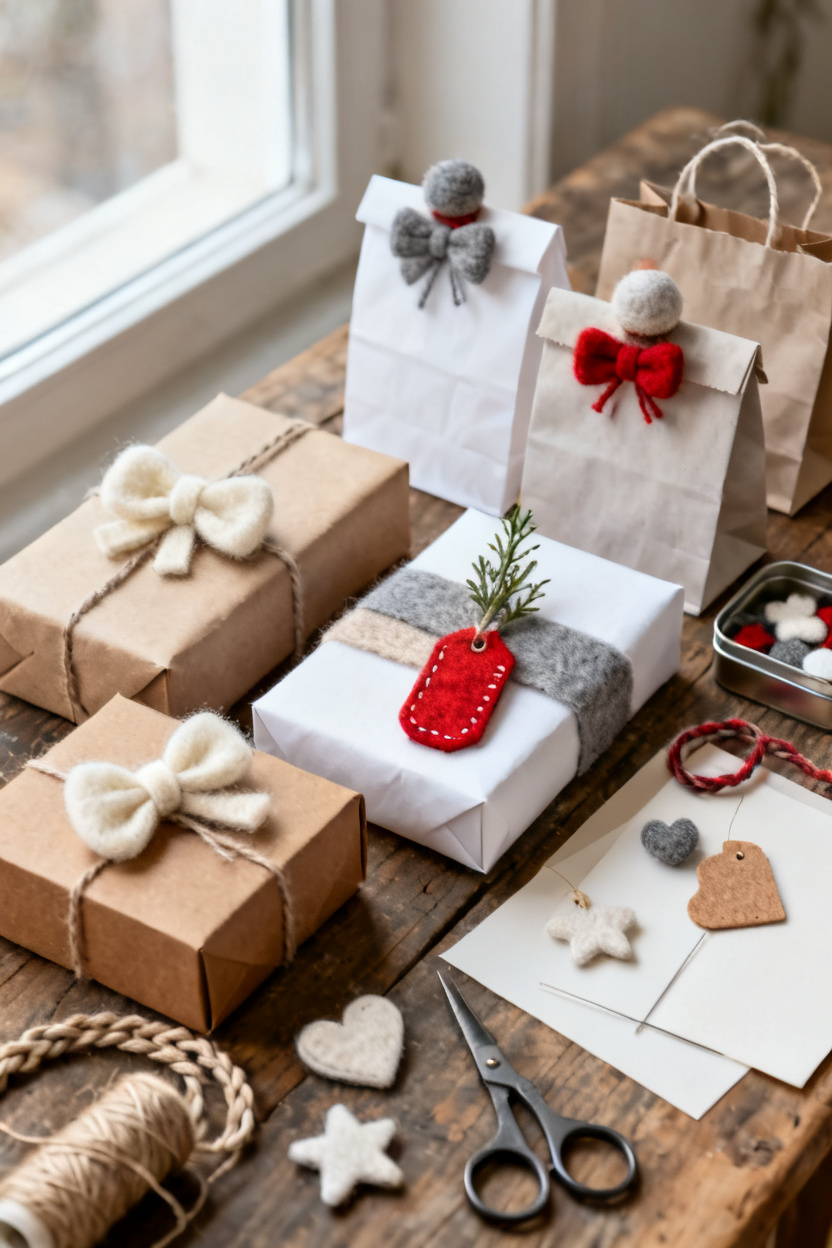
These tiny wool accents dress up gift wrap with handmade charm, from little bows and stitched tags to mini braided ties and soft toppers. They may be small, but they change how a present feels the second someone picks it up. A wrapped gift can look neat on its own, yet a wool detail adds warmth, texture, and a sense that you truly thought about the person receiving it.
Why the smallest details matter
Mini wool gift embellishments work because they feel personal without taking much time. You can cut simple shapes from felted wool, braid thin strands into ties, or stitch a tiny heart, star, or name tag to place on top of the package. These touches suit birthdays, winter holidays, baby gifts, and host presents, and they often become keepsakes after the paper is gone.
They also help plain wrapping look better. Brown paper, solid gift bags, and simple boxes can feel flat if nothing breaks up the surface. Wool gives you softness and dimension, which is why even one small accent can make the whole package look richer and more thoughtful.
Best ways to use them
Keep the design simple and let the texture stand out. A cream wool bow on kraft paper looks classic. A red stitched tag on a white box feels festive. If you want a softer style, try gray or oatmeal wool with a sprig of dried greenery tucked underneath. Those pairings photograph well and still feel easy to make at home.
I think these are especially useful when you are giving baked goods, candles, handmade soap, or knitted items. The wool detail matches the spirit of the gift. It tells the story before the package is even opened.
A smart way to make a batch
Cut several embellishments at once and keep them in a small tin or envelope by your wrapping supplies. Batch-making saves time during busy seasons, and it helps you use leftover wool pieces that are too small for larger crafts. Add a loop of twine or thin ribbon as you finish each one, so it is ready to tie on when you need it.
Choose sturdy stitching if the embellishment may be handled a lot. For gift tags, write names on cardstock and back it with wool instead of writing directly on the wool itself. That simple step keeps the piece neat and makes it easier for the recipient to save and reuse later.
9. Hand-Sewn Wool Draft Stopper
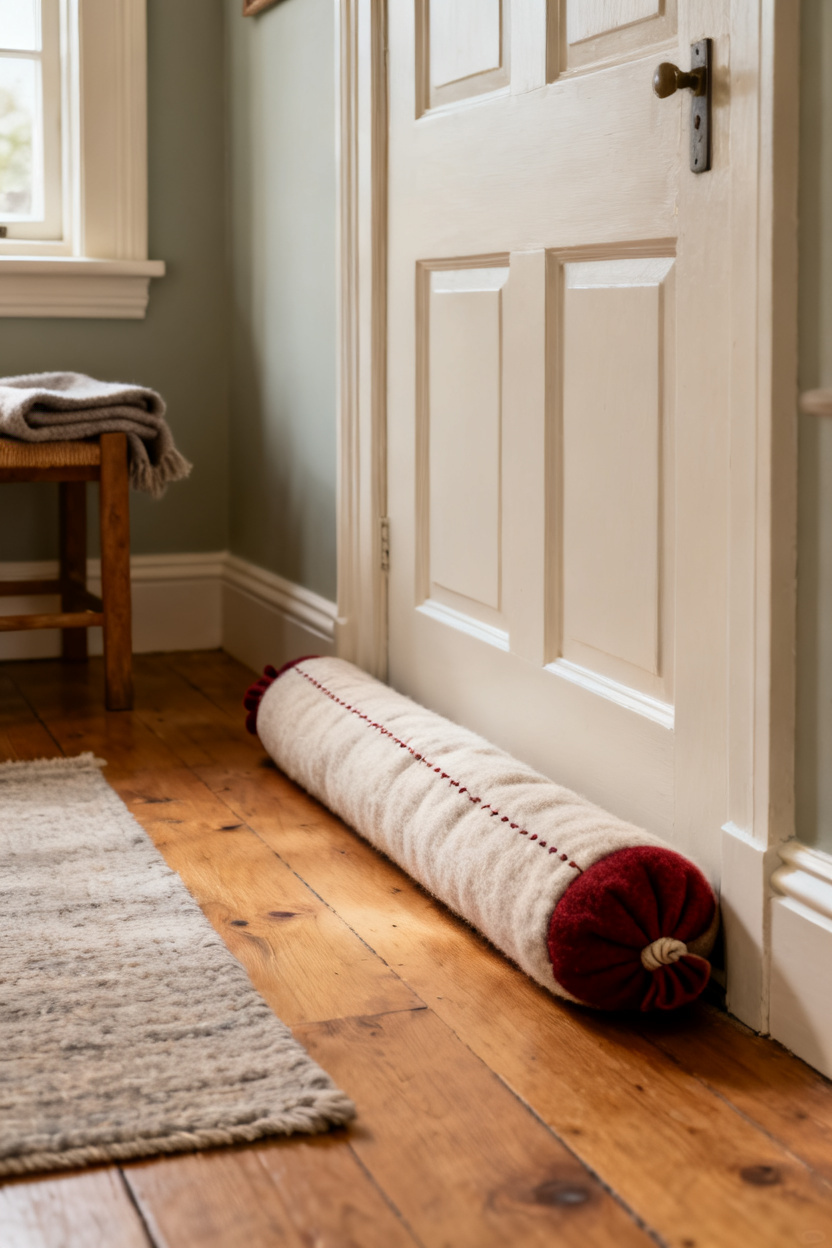
A wool draft stopper is a simple home project that adds comfort in a quiet, practical way while still looking soft and intentional. If you want a wool craft that helps your space feel warmer without becoming just another decorative object, this is a strong choice. A draft stopper sits along the base of a door or window and helps soften chilly air, but it can also bring color and texture to an area that usually gets ignored. That mix of purpose and charm gives the project lasting value, especially in cooler months when even small changes can make a room feel more settled and cared for.
What I like most about this idea is that it fits naturally into everyday life. You can sew one from wool fabric, felted wool, or even a repurposed sweater backed with a sturdier lining. Once filled, it becomes a piece you actually notice using, not just admiring. In an entry, bedroom, or reading corner, it adds that same cozy handmade spirit as other wool crafts, but in a more grounded and useful form.
A Practical Project That Still Feels Beautiful
Some crafts are lovely to look at, but this one earns its place by doing real work. A draft stopper helps block small cold gaps under doors, which can make a room feel calmer and more comfortable right away. Because it rests low to the ground, it does not need flashy details to stand out. The beauty comes from the wool itself, especially if you choose a fabric with a soft heathered tone, a brushed texture, or a subtle stitched seam.
You can keep the shape long and simple for a clean, tailored look, or make it slightly rounded for something softer and more relaxed. Shades such as oatmeal, forest green, charcoal, camel, or deep red all suit this project well. If your home already has a quiet, natural palette, neutral wool will blend in gracefully. If you want the piece to feel more seasonal, richer colors can make it look like part of your winter decor rather than just a household tool.
Filling Choices That Change the Final Feel
The filling matters more than many people expect. A draft stopper should feel weighty enough to stay in place, but not so stiff that it becomes awkward to move. Many people use rice, dried beans, or clean sand sealed inside an inner sleeve, and each option gives the piece a different feel in the hand. Rice creates a softer drape, while sand gives a heavier, firmer finish that sits especially well against uneven floors.
I think an inner fabric tube is worth the extra step because it keeps the outer wool cover neater and easier to manage while sewing. It also helps the project hold its shape over time. If you want a gentler look, avoid overfilling. A little flexibility lets the stopper settle naturally against the floor instead of looking stiff and bulky. That softer shape usually looks more polished once it is in place.
Small Finishing Details That Make It Look Custom
A draft stopper may be functional, but it still benefits from thoughtful finishing. Straight seams, neatly tucked ends, and a well-chosen fabric make the whole piece feel more refined. If you want a subtle decorative touch, you can add a line of visible topstitching or use contrast thread that echoes other textiles in the room. Those little choices turn a basic household item into something that feels considered.
This project works especially well in older homes, cozy cottages, or any room where softness matters. Set against wood floors, painted trim, or a simple door, the wool texture adds warmth in a very quiet way. It is not the kind of craft that demands attention, yet you notice the difference every time the room feels less drafty and more complete. That is part of its charm. It blends usefulness with handmade comfort, which is often exactly what the best wool projects do.
Conclusion
These wool craft ideas prove that cozy style can be useful too. A basket keeps clutter in check, a wreath warms up your entry, a pillow cover refreshes a room, and mini gift accents make wrapping feel personal.
Pick one project that fits your space right now. Start small if you want quick results, or choose the one you know you will use every day. Save these ideas for later, gather your wool scraps, and make something that adds comfort in a real, lasting way.