Your garden can feel bigger, richer, and far more finished with the right oversized pots. A single large planter can fill an empty corner, frame a doorway, or turn a plain patio into a space that feels styled and inviting.
Think sun-warmed terracotta, smooth concrete, glossy blue ceramic, and tall grasses moving in the breeze. These details add color, height, texture, and a strong sense of place without asking you to redesign the whole yard.
These 8 ideas help you solve a common problem. Large spaces often look flat or scattered, and small pots can disappear fast. The right container brings balance and drama at the same time.
Ahead, you’ll find 8 striking ways to use big flower pots so your entry, paths, and seating areas feel bold, polished, and full of life.
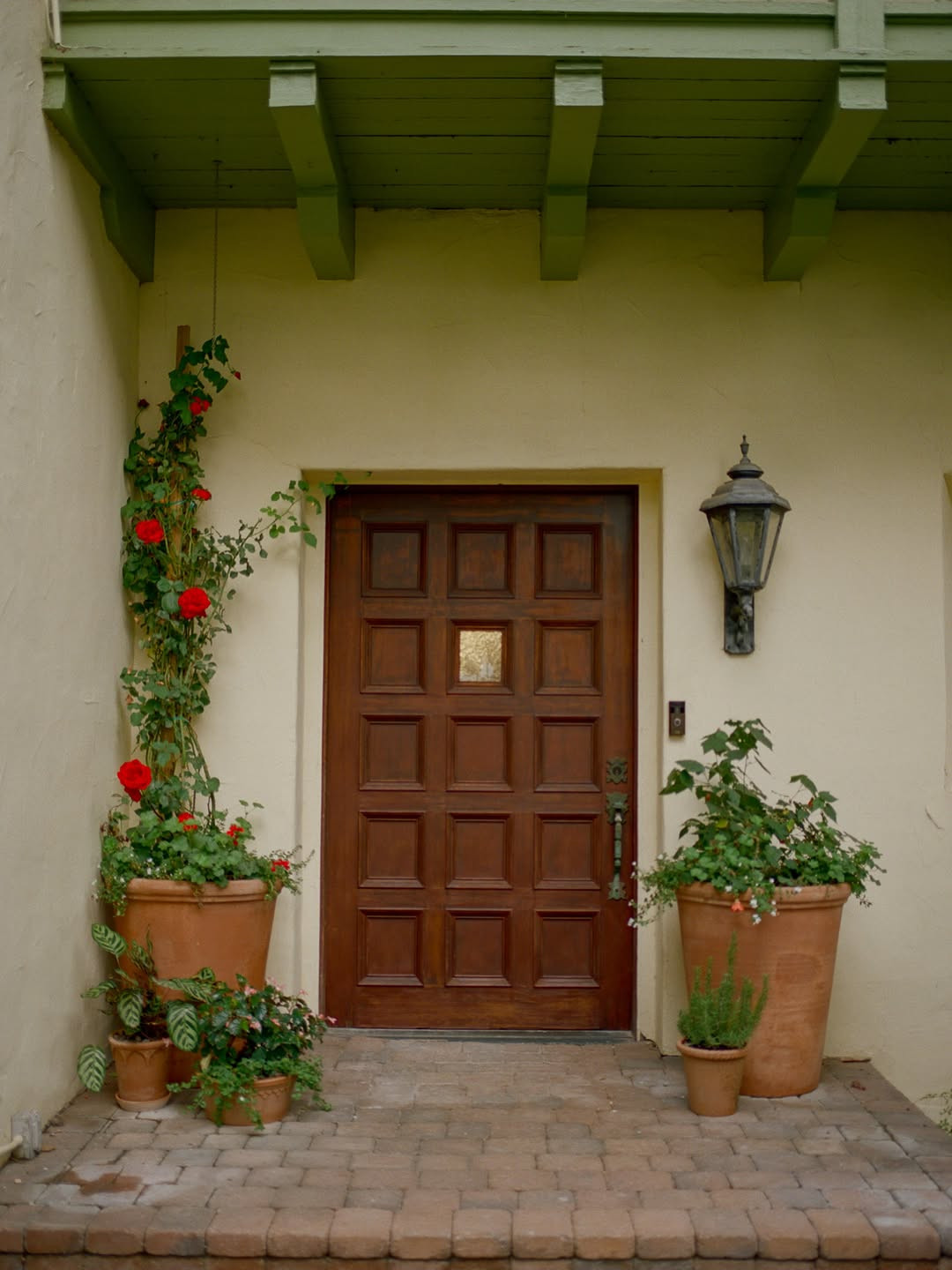
1. Oversized Terracotta by the Entry
Large terracotta pots near your front door or gate create an instant welcome. They give your entrance more weight and make the whole space feel planned, even if the planting is simple.
Why the entry suddenly feels finished
There is a reason terracotta works so well at an entrance. Its warm clay color softens brick, stone, painted siding, and black metal in a way that feels natural and lived-in. When you place one big pot on each side of a door, or a single extra-large one near a gate, the eye lands there first. That simple move gives the space a focal point before a guest even reaches the porch.
You also gain scale, which many front entries need. Small pots often look lost beside steps, columns, or a wide facade. A larger planter matches the size of the house, so the whole scene feels more balanced. I have seen modest homes look far more polished just by swapping out tiny containers for tall, generous terracotta pots with full plantings.
Best plants for that warm first impression
Terracotta pairs beautifully with plants that have shape and texture. Boxwood, olive trees, lavender, rosemary, and trailing ivy all look strong in these pots. If you want a softer look, try white petunias, pale pink geraniums, or feathery ferns spilling over the rim. The rough clay surface makes green leaves look even fresher.
You can also change the mood with the season without replacing the pot itself. In spring, use tulips or ranunculus. In summer, go for bright annuals and a spiky center plant. In fall, ornamental kale and deep burgundy mums look rich against the earthy orange-brown clay. Winter greenery, branches, and pine cones keep the entry attractive when flowers are gone.
Placement that feels natural, not forced
Spacing matters more than people think. If you use two pots, keep them far enough from the door that they frame it rather than crowd it. If you use one statement pot, place it where it can anchor the entry, such as beside the first step or just inside a gate. You want it to guide the eye, not block the path.
Choose a pot with a wide base if your entry gets wind or heavy foot traffic. Then raise it slightly on pot feet so water can drain well and the clay does not stay damp against the ground. That small detail helps the planter last longer and keeps the whole entrance looking clean.
Credit to @bergspotter
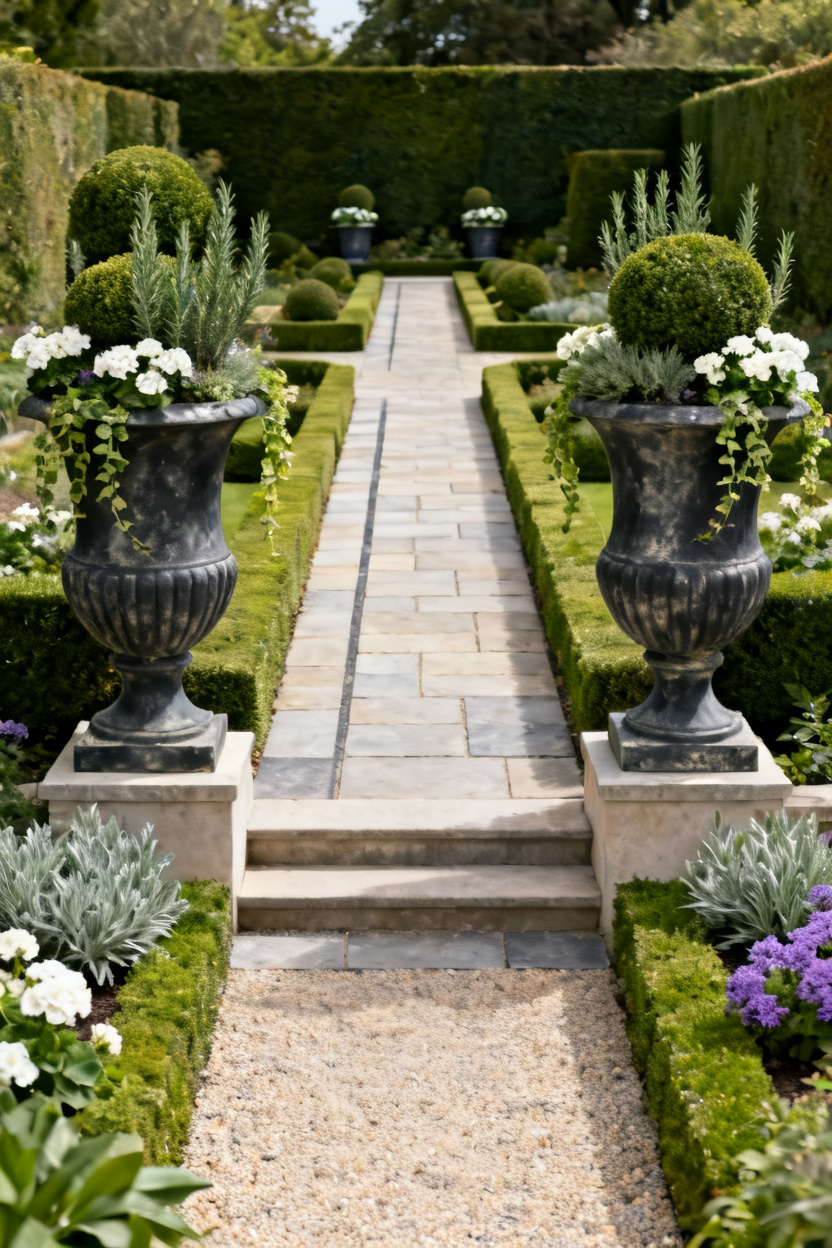
2. Sculptural Urns for Formal Paths
Urn-shaped planters bring order to straight walkways and more tailored garden layouts. They feel classic, but they can still look fresh when you keep the planting crisp and the placement simple.
The power of symmetry
If your garden has a straight path, clipped hedges, or a central axis, urns make those lines feel stronger. Their shape naturally draws the eye upward and outward, which adds grace without looking fussy. Set a pair at the start of a walkway, at the top of steps, or at the entrance to a courtyard, and the space gains structure right away.
This is where symmetry does a lot of work for you. Matching urns create rhythm, and rhythm makes a garden feel calm and intentional. Even in a smaller yard, that sense of order can make the space feel more expensive and well kept.
Choosing plants that suit the shape
Urns look best when the planting respects the form of the container. Rounded boxwood, upright rosemary, white geraniums, or clipped topiary all suit the classic silhouette. You can add a little trailing plant at the edge, but keep it controlled so the urn still reads as sculptural from a distance.
Color matters here too. Deep green, silver, white, and soft purple often look best with formal urns because they keep the effect refined. Bright mixed flowers can work, though they often change the mood from elegant to playful. If your path already has strong geometry, quieter colors usually serve it better.
Materials that shape the mood
Not every urn needs to be old stone or cast iron. You can find lightweight versions in resin or fiber cement that still give you the same profile. Stone-colored urns look grounded and timeless. Dark charcoal or black urns feel sharper and more dramatic, especially against pale gravel or clipped greenery.
I like urns most when they repeat another element already in the space. A gray urn can pick up the tone of paving, while a weathered finish can echo an old wall or fountain. Those quiet links help the container feel like part of the garden, not just an object dropped into it.
Keep the size generous enough for the path. A thin little urn beside a wide formal walk looks timid. A fuller, taller piece holds its own and makes the route ahead feel more memorable.
3. Concrete Planters with Grasses
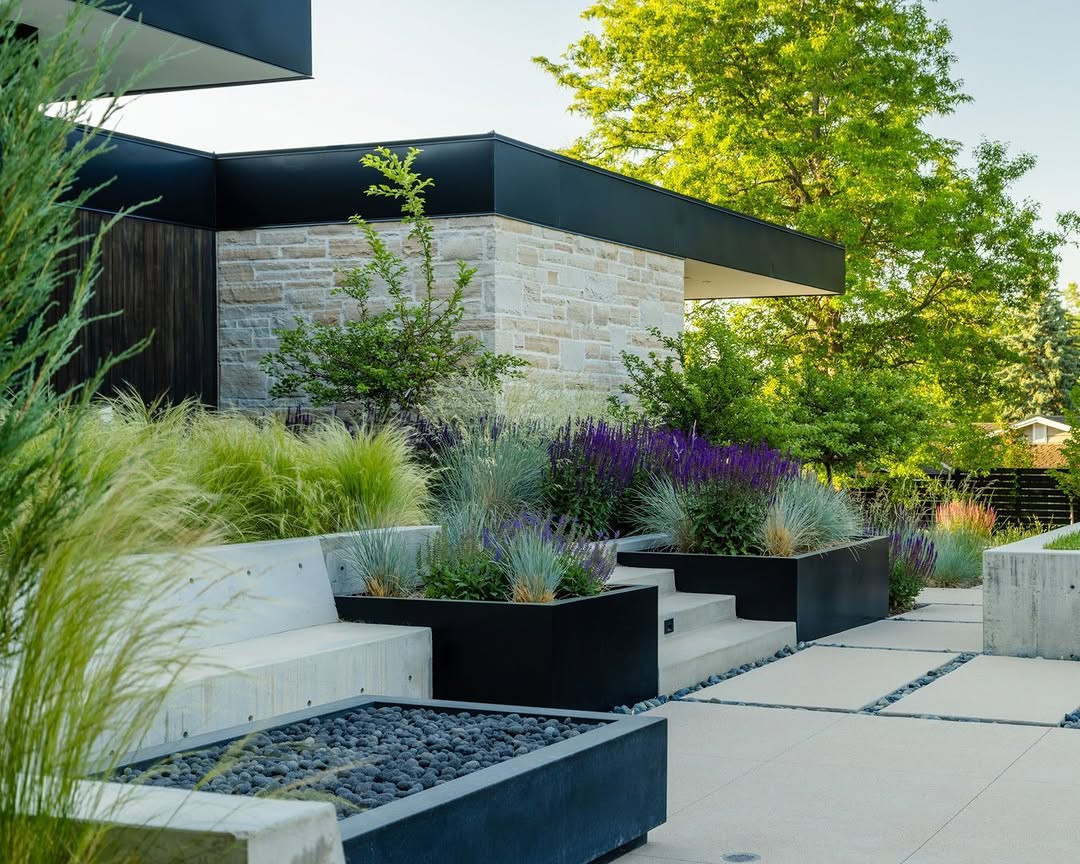
Concrete planters and tall ornamental grasses create a bold modern look with very little fuss. The heavy pot gives the design weight, and the grass brings motion that keeps the scene from feeling stiff.
Why this mix feels modern
Concrete has a quiet strength that works in almost any yard. Its muted gray tone lets shape and texture lead the design, which is why it feels so clean and current. Add a plume of fountain grass, feather reed grass, or Mexican feather grass above that solid base, and the contrast comes alive. You get strong lines below and soft movement above.
The word to remember here is contrast. Smooth or lightly textured concrete looks grounded and still. Grasses shift with every breeze, catch the light, and cast moving shadows. That tension gives patios, pool edges, and open garden corners a more architectural look without making them cold.
Where these planters work best
This pairing shines in places that need height but not visual clutter. Think of a bare corner near a fence, the edge of a deck, or the side of a garage wall that feels flat. One or two large concrete containers can break up hard surfaces and make those spots feel designed rather than ignored.
You can also use them to soften modern outdoor materials like steel, black-framed windows, and pale stone pavers. The concrete echoes those finishes, and the grasses stop the space from feeling too hard. If your garden already has lots of flowers, these planters give the eye a place to rest.
Making the planting look full, not messy
Choose grasses that match the size of the pot and the mood of your space. Upright grasses feel neat and vertical. Looser grasses feel airy and relaxed. In a very large container, one grass variety often looks stronger than a mix because the shape reads clearly from far away.
Add a low ring of trailing green only if the planter seems too bare. Keep it restrained. The grass should stay the star. A top dressing of gravel can also sharpen the look and tie the container to nearby paving.
Use a pot with proper drainage and enough soil depth, since large grasses need room to root well. Once established, they ask for less attention than many flowering combinations, and that alone makes this idea worth saving.
Credit to @marpalandscapes
4. Bright Ceramic Pots on Patios
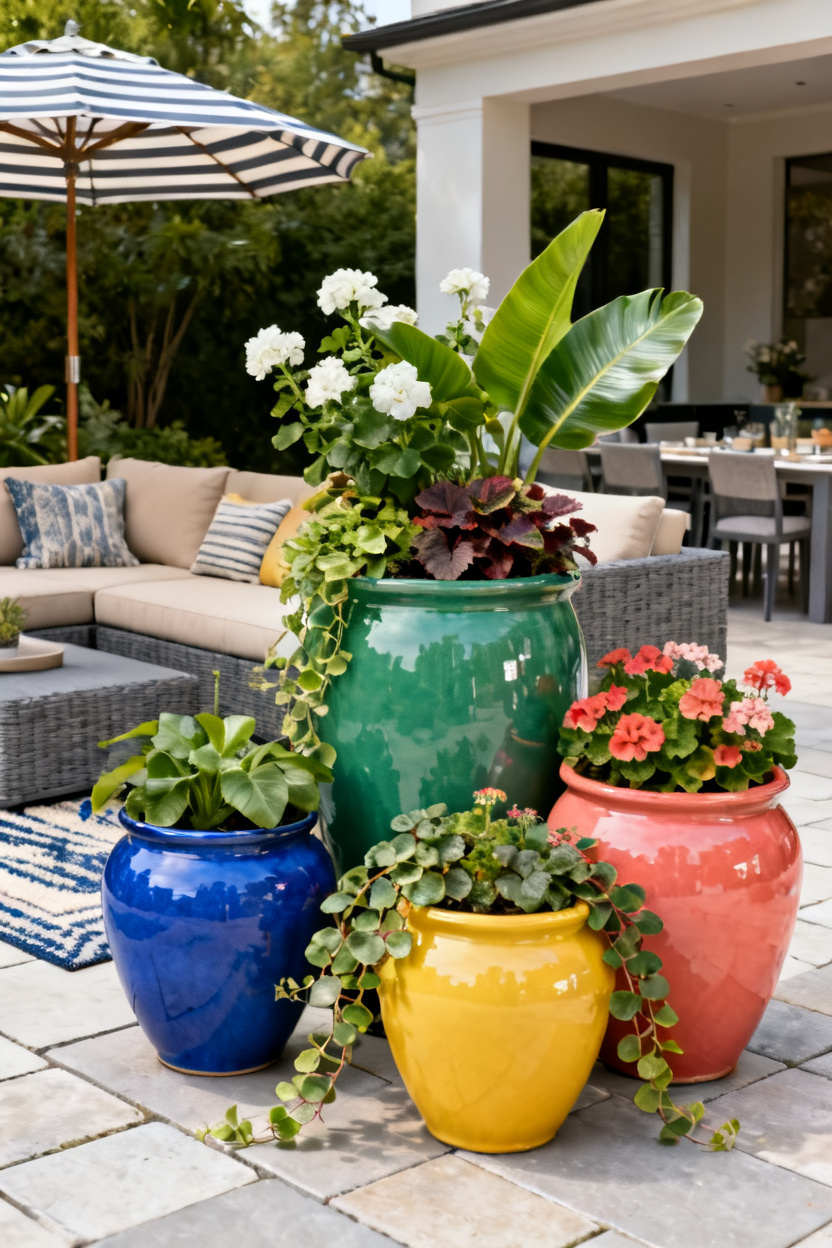
Colorful ceramic pots bring energy to patios and seating areas fast. They can pull together cushions, rugs, and outdoor dining pieces, so the whole space feels cheerful and complete.
Color that wakes up a patio
Patios often need one strong visual hit. Furniture can look flat, and paving can feel dull, especially if most of it is gray, beige, or brown. A glossy ceramic planter in cobalt blue, emerald green, sunny yellow, or rich coral changes that mood in seconds. Light bounces off the glazed surface, and the whole area feels brighter.
This is the section where color matters most. One vivid pot can act like artwork outdoors. A grouped set in two or three related shades can make a seating area feel layered and lively without a big renovation.
How to match pots with outdoor decor
You do not need perfect matching. In fact, a little variation often looks better. Pull one shade from nearby seat cushions, a striped umbrella, or a patterned outdoor rug, then repeat it in the planter. That link helps the pot feel connected to the space around it.
If your patio furniture is neutral, bold ceramic pots become the feature. If your decor is already colorful, choose pots that echo one existing tone and let the plants add the rest. I like this approach because it makes a patio feel personal rather than store-bought.
Plants that hold their own
Bright pots need planting that can stand beside them. Lush green foliage, white blooms, and strong leaf shapes usually work best. Banana plants, coleus, begonias, geraniums, and cascading sweet potato vine all show up well against glossy ceramic finishes.
5. Tiered Groupings for Empty Corners
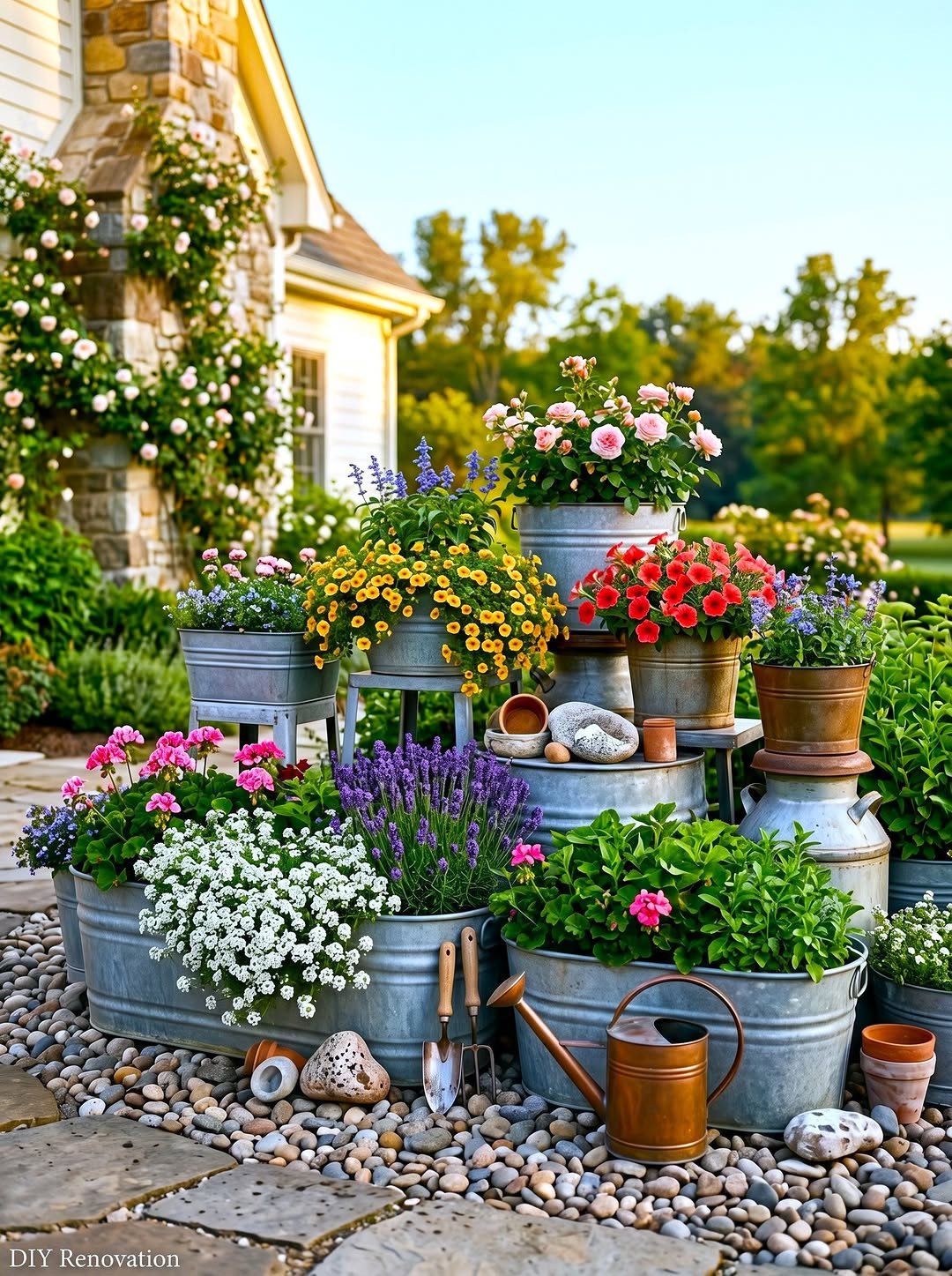
An empty corner can make the whole garden feel unfinished. A tiered grouping fixes that with height, depth, and a sense of movement that a single large flower pot cannot give on its own. You use two, three, or four big pots in different sizes and place them close together, so the corner looks full and intentional instead of forgotten.
Why stacked height works
Most corners fail for one simple reason. They sit outside the main line of sight, so they often become dead space. When you place large flower pots at staggered heights, the eye moves up and across the group, and that small area suddenly feels alive.
You do not need dramatic plants in every container. One tall pot with a narrow evergreen, one medium pot with mounded flowers, and one low pot with trailing foliage often does the job. The mix gives shape first, then color second, which is why it looks calm instead of messy.
How to build the grouping
Start with the tallest pot at the back or slightly off-center. Then add a medium planter beside it and a lower, wider one toward the front. I like to turn the pots just a little so the arrangement feels relaxed, almost as if it grew into place.
Keep one thread running through the whole set. That might be one pot color, one plant color family, or one repeated leaf shape. Without that link, grouped planters can look like leftovers from different parts of the yard.
This idea works especially well beside fences, shed walls, garage corners, and blank patio edges. Those spots need body, and tiered containers bring it without any digging. If your garden has hard lines, layered pots soften them in a very easy way.
Small choices that make it feel polished
Spacing matters more than people think. Push the pots too far apart and they stop reading as one design move. Keep them close enough that the leaves nearly touch, and the whole corner feels lush.
Use pot feet or hidden bricks under the back containers if the ground slopes. That small lift helps the grouping sit level and keeps your large flower pot display from looking off-balance after rain.
6. Statement Pots with Small Trees
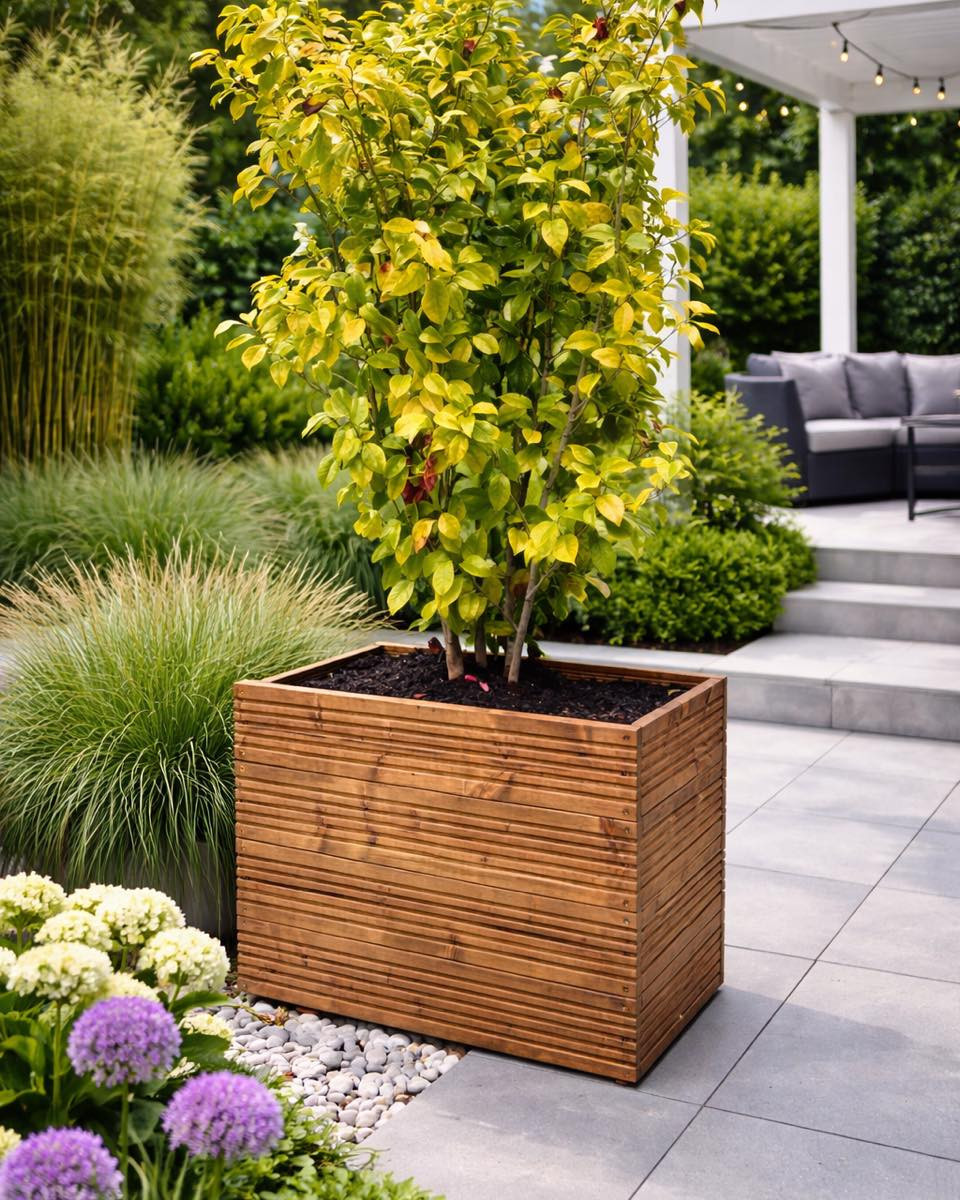
If you want real height in your garden, small trees in big containers make a strong move. A large flower pot paired with a dwarf olive, a Japanese maple, or a compact citrus creates vertical drama without asking you to plant a permanent tree in the ground. That freedom matters, especially if you rent, deal with poor soil, or like to change your layout over time.
Tree shape without long-term limits
A potted tree gives you structure in every season. Even when flowers fade, the trunk, branching, and canopy still hold the space together. That is why this idea feels more finished than using only seasonal bedding plants.
Japanese maples bring soft shape and rich leaf color, which suits quiet, shaded corners or elegant front gardens. Dwarf olives feel clean and architectural, and they fit modern courtyards very well. Citrus trees bring shine, scent, and a little holiday mood, which is why many people love them near a sunny terrace or kitchen door.
The pot needs to match the tree’s presence. A small tree in a pot that looks too light or too narrow can feel top-heavy. Choose a substantial container with enough width at the base, and the whole planting will look grounded and secure.
Keeping the look strong through the seasons
You can underplant the tree, but keep it simple. Low white flowers, trailing ivy, or a ring of soft herbs can finish the surface without taking attention away from the trunk. Too many extras compete with the tree and weaken the clean statement you are trying to make.
Placement makes a big difference. Put one statement pot at the end of a path, beside a gate, or at the edge of a seating area where the canopy can frame the view. I have seen even a plain patio feel far more expensive once a single small tree gave it height and shadow.
Watering needs more care than many people expect. Trees in containers dry out faster than trees in the ground, especially in wind. Deep watering, a mulch layer, and a pot with solid drainage holes help the roots stay healthy and the leaves stay fresh.
Credit to @timber_and_home
7. Rustic Troughs for Cottage Style
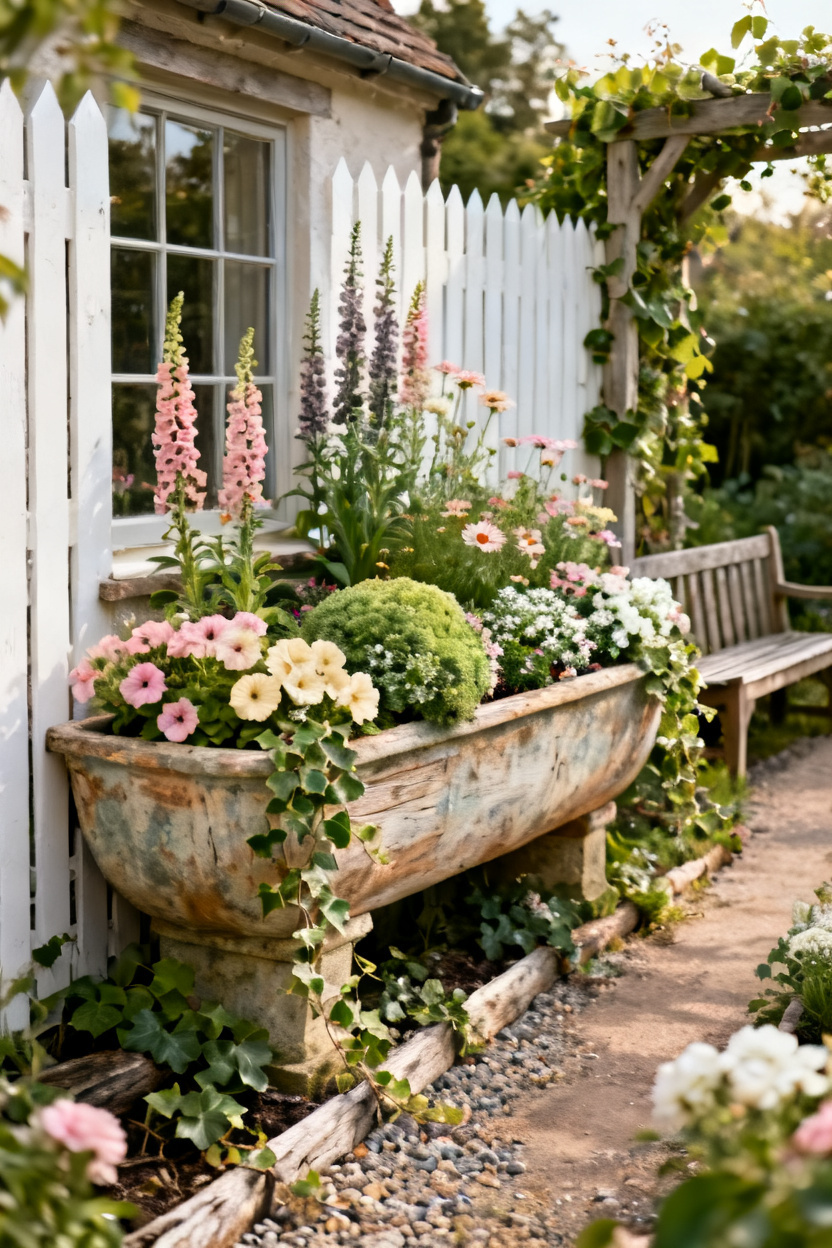
Some gardens look best when they feel a little loose and full of life. That is where oversized trough planters shine. A long, weathered container planted with soft, spilling flowers gives you that cottage style look people save again and again, because it feels romantic without trying too hard.
The charm of the long planter
A trough has a different effect than a round pot. It stretches the planting across a wider line, so you get fullness and shape in one move. This makes it perfect for breaking up a fence base, softening a wall, or adding body along a path.
Rustic finishes help a lot here. Think aged wood, stone-look resin, or metal with a worn patina. Those textures suit informal gardens because they do not feel sharp or polished.
Plant mixes that feel relaxed
The best cottage-style troughs do not look stiff. They mix upright stems, mounded fillers, and trailing plants that slip over the edge. Foxglove, salvia, cosmos, petunias, bacopa, and ivy can all work well together if you keep the color story under control.
Choose two or three main shades, then repeat them across the trough. Soft pink with cream and green feels gentle. Blue with white and silver feels cooler and a little more refined. If every color competes, the planter starts to look busy instead of abundant.
Where troughs earn their place
These large flower pots work beautifully in front of picket fences, near garden benches, or beside arbors. Their long shape connects different parts of the yard and makes small planting areas feel more generous. You also get a softer view from inside the house when a trough sits below a window.
They are also useful where border planting is hard. Maybe the soil is poor, maybe roots from nearby trees take over, or maybe the area gets trampled. A trough lets you build that lush cottage look above ground, where you control the soil and spacing.
A simple way to keep them fresh
Do not plant in strict rows. Set taller plants slightly behind center, then weave in fillers and trailers in uneven clusters. That small shift makes the arrangement feel natural, as if the flowers chose their own places.
Cut spent blooms often. Cottage planters should look generous, not tired. A few minutes with pruners each week keeps the whole trough blooming longer and stops strong growers from taking over.
8. Monochrome Pots for Rooftop Gardens
Rooftop gardens often feel busy before you add a single plant. Railings, doors, paving, and skyline views already give the eye a lot to process. Matching large flower pots in one color bring monochrome order to that mix and make the whole space feel calmer, bigger, and more planned.
Why matching containers open up a small space
When every pot has a different finish, shape, or color, a compact rooftop can look crowded fast. Monochrome containers remove that visual noise. Black, charcoal, white, sand, or soft gray pots create one steady rhythm, which helps the plants stand out more clearly.
This does not make the garden dull. It does the opposite. Leaves, flowers, and shadows become more noticeable because the pots stop competing for attention. On a small balcony or roof terrace, that kind of control can make a narrow space feel wider.
How to keep the scheme from feeling flat
Use the same color family, then vary the pot heights and widths. Tall cylinders mixed with low bowls or broad square planters keep the design interesting without breaking the clean look. That balance matters, especially when your seating area sits close to the planters.
Plant choice also adds depth. Grasses, clipped evergreens, agave, lavender, and white flowers all sit well in a monochrome setup. I also like deep green foliage against pale pots because the contrast feels crisp and easy to read from across the terrace.
Smart details for wind and sun
Rooftops can be harsh places for containers. Sun hits hard, and wind dries soil much faster than people expect. Choose large flower pots with enough soil volume to hold moisture longer, and place the heaviest ones where they can act as gentle screens around seating or dining zones.
If you want a finished look, repeat the same pot style along one edge and use one larger statement planter as an anchor near the door. That simple pattern makes the space feel organized from the moment you step outside.
Conclusion
Large flower pot ideas work best when they solve a real design problem. They can fill a blank corner, add height, soften a hard edge, or bring order to a small rooftop. That is why the right planter does more than hold a plant.
Pick one idea that fits your space, then build from there. You do not need a full garden makeover to create a bold statement. Save the look you love most, try it with confidence, and let a few well-placed pots change the whole mood of your garden.