You do not need a big budget to build a patio deck that looks warm, rustic, and inviting.
Pallets can give you that look fast. They are easy to find, easy to shape, and perfect for simple outdoor projects.
If your yard feels plain or unfinished, a pallet deck can change it. The right layout can make a small space feel useful, calm, and ready for long evenings outside.
1. Ground-Level Grid Deck
A simple pallet grid is one of the easiest ways to build a patio deck on a budget. You place pallets in rows, level the ground, and create a flat surface that feels neat and rustic. This design works well if you want a quick build with a strong grid layout that looks clean from every angle.
A Clean Start on Flat Ground
The best part of this idea is its simple shape. You do not need complex cuts or a raised frame. You only need a measured area, a stable base, and pallets that are close in size. That makes this design a smart first project if you want results without a long build.
You should start by clearing grass, roots, and loose soil. Add gravel or paver sand so the pallets sit on a firmer surface. This step matters because even a rustic deck looks messy when one side sinks after rain. I have seen basic pallet decks look far better than costly patios just because the base was done with care.
How the Pattern Shapes the Look
The grid style creates order. Each pallet becomes part of a larger pattern, and that pattern gives the deck its charm. If you place the boards in the same direction, the deck feels longer and calmer. If you rotate some pallets, the floor gains more texture and a handmade feel.
This is also where you can decide how rustic you want the final result to look. Sanded wood gives a softer finish and feels better under bare feet. Rougher boards keep the stronger farmhouse look. Both can work, but the cleaner finish often feels more polished in a small backyard.
Simple Ways to Finish the Surface
You can leave gaps between slats for drainage, or you can top the pallets with extra deck boards or plywood strips for a smoother floor. The second option costs more, yet it gives you a more even surface for chairs and small tables. If you plan to use the area for dining, that upgrade often makes sense.
Seal the wood with an outdoor stain in cedar, walnut, or weathered oak. Those shades keep the rustic style without making the deck look raw. Add two chairs, a jute rug, and a lantern, and the space starts to feel planned instead of temporary. That is the real strength of this idea. It is easy, but it still looks finished.
2. Pallet Platform With Border
Some pallet decks look too open at the edges. A framed platform solves that problem. By adding a wood border around the pallets, you give the deck a more built-in shape and a stronger finished edge that helps the whole patio look more thoughtful.
The Frame Changes Everything
A border can be made from stained boards, treated lumber, or even wider pallet planks. It wraps the outside of the platform and hides uneven pallet ends. That one move gives the deck a cleaner line, and it can make cheap materials look far more planned. Do you want your DIY deck to look custom without spending much more? This is one of the best ways to do it.
The framed look also works well in front of back doors, sheds, or sliding patio doors. It gives the eye a clear shape to follow. A plain pallet surface can feel loose around the edges, but a border sets limits and creates a stronger visual block in the yard.
How to Keep Costs Low
You do not need costly trim boards to make this work. Many people use reclaimed fence boards or leftover deck lumber for the outer frame. If the wood is straight and solid, it will do the job. Spend your money on leveling and wood sealer first, because those steps protect the deck and help it last longer.
Compared with a basic grid deck, this design takes more time to build. You need to measure the outside frame with care, and the corners should line up well. Yet the extra effort pays off. The deck feels more stable, and furniture sits with more confidence on a surface that looks complete.
Best Places to Use This Style
This idea fits medium-size patios and small backyards where you want a clear outdoor zone. Place the deck under a pergola, next to a fire pit, or beneath string lights. The border helps anchor the whole scene, so your seating area does not look like it is floating in the middle of the yard.
I like this option when the patio needs structure. A simple square or rectangle with a darker outer frame can make the center boards stand out, almost like a rug made of wood. That contrast gives the deck character without making the project harder than it needs to be.
3. Corner Patio Deck Nook
Not every backyard has room for a full deck. A corner build can still give you comfort, function, and a strong sense of place. This design turns wasted space into a cozy nook where you can sit, read, or enjoy coffee in the open air.
Small Space, Strong Purpose
A corner deck works because it follows the shape of the yard instead of fighting it. You can tuck it beside a fence, near garden beds, or against a brick wall. The layout saves money because you use fewer pallets, yet the result can feel more intimate than a large open deck.
Small projects also give you more freedom to add details. You might stain the wood a darker tone, paint the fence behind it, or place a bench along one side. In a tight area, even one cushion and one side table can make the spot feel finished. That kind of focused design often looks better than trying to fill a large patio on a thin budget.
Ways to Make the Corner Feel Warm
The trick is to treat the corner as a retreat. Use outdoor pillows, a crate table, and potted herbs or grasses to soften the wood. A narrow pallet deck under a hanging light can feel surprisingly calm at night. The walls or fences around it help hold in that mood, which is why corner spaces often feel more private.
You can also shape the deck to fit the area instead of forcing a perfect square. Cut pallets where needed and cap rough ends with simple boards. That gives you a custom fit and helps the deck blend into the yard. A larger deck may offer more floor space, but this one often feels more personal.
Practical Uses Beyond Seating
This nook can do more than hold two chairs. You can use it as a grill pad, a yoga corner, or a small potting area near your garden. Because the footprint is small, upkeep stays easy. Sweeping, sealing, and moving furniture all take less time.
If your yard has an awkward empty corner, this idea solves two problems at once. It fills dead space and gives you a reason to step outside more often. That is a strong return from a simple pallet project.
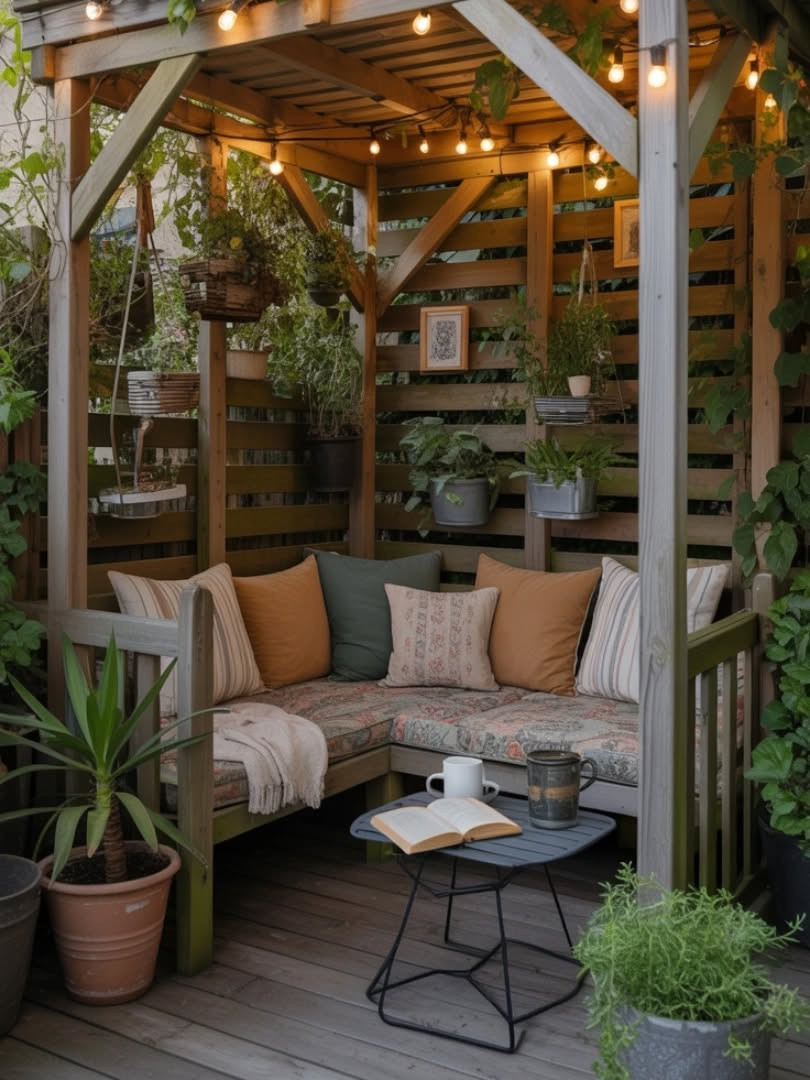
4. Multi-Level Rustic Deck Layout
A flat patio is useful, but a deck with more than one height can feel far more designed. Pallets make that look possible without the price of a full custom build. A multi-level layout adds shape, movement, and clear zones for different outdoor activities.
Why Height Creates Interest
Even a small step up or down changes how a space feels. One level can hold a dining table, and another can hold lounge chairs or planters. The change in height gives each area a purpose, so the yard feels more organized without walls or rails.
This works especially well in backyards that already have a slight slope. Instead of fighting the ground, you can build with it. That often cuts prep work and helps the finished deck look natural in the space. The rustic wood texture also softens the layered design, so it feels welcoming rather than stiff.
Building Safe Transitions
You need to keep the height changes modest and stable. Stack pallets with care, fasten them well, and check that every level sits on a firm base. Add wide steps if the rise is more than a few inches. Comfort matters here, because guests should move across the deck without thinking about where to place each foot.
Some people compare this idea with a single-level platform and worry that it adds too much work. It does take more planning, but the visual gain is real. A one-level pallet deck gives you a simple floor. A multi-level version gives you outdoor rooms, and that difference can make a basic yard feel much larger.
Styling Each Zone With Purpose
Once the structure is in place, treat each level as its own setting. Keep the dining area open and practical. Make the lower lounge zone softer with a rug, lanterns, and floor cushions. If one level sits near the house, use it for traffic. Let the farther level feel slower and more relaxed.
I have always liked this layout for families or frequent hosts. People naturally spread out, which keeps the patio from feeling crowded. The deck does more work for you because the shape guides how the space is used.
When This Design Makes Sense
This idea fits larger patios best, though you can scale it down for modest yards. It is also a smart choice if you want your pallet deck to look less homemade and more intentional. The stepped form catches the eye and gives the rustic material a stronger presence.
If you want one project that changes the whole feel of a backyard, this is a strong pick. The materials stay budget friendly, yet the final result has more depth than a simple flat platform.
5. Pallet Deck With Planter Edges
Wood and plants belong together. When you build planter borders into a pallet deck, the patio feels softer, greener, and more connected to the yard. This idea blends a simple floor with planter edges that frame the space and add color without much cost.
Where the Rustic Look Gets Softer
Planters help balance the rough texture of pallet wood. Without them, the deck can feel a little hard, especially in a yard with fences, concrete, or bare soil. Add built-in boxes along the sides, and the whole space starts to feel warmer. Flowers, herbs, or tall grasses bring life to the deck in a way that furniture alone cannot.
This design also hides edges well. If the pallets are not perfect, the planters distract the eye and create a stronger outline. That makes the deck feel less like recycled wood on the ground and more like a deliberate outdoor feature.
Best Plants for a Low-Maintenance Border
You do not need fussy plants here. Lavender, rosemary, boxwood, marigolds, and ornamental grass all work well in a rustic setting. Choose plants that suit your sun and weather, then keep the mix simple. Too many colors can make a small deck feel busy.
Herbs are a smart choice if the deck sits near your kitchen or grill. They smell good, they look full, and you can use them. If you want more privacy, place taller planters at the back and lower ones near the front. That layered effect adds depth without closing the area in too much.
How to Build the Border Without Overspending
You can make planters from extra pallet boards, wood crates, or simple box frames set against the deck edge. Line the inside with plastic or landscape fabric, and leave space for drainage. Keep the forms plain. The rustic style does not need fancy shapes to look good.
This idea costs more than a bare pallet platform, but it gives more back in mood and comfort. The deck becomes part patio and part garden. That mix feels especially good in smaller yards where every feature needs to work hard.
If you want your pallet patio deck to feel settled and lived in, this is a smart direction. Plants grow, fill out, and make the space better over time. Few budget projects improve that way.
Conclusion
Your best pallet patio deck is the one that fits your yard, your budget, and the way you live outside. A flat grid may suit a quick weekend build, but a framed platform, a corner nook, or a deck with planter edges can give you more style with only a little more effort.
Pick one idea and start with the ground prep, the pallet size, and a clear plan for how you will use the space. Once the structure is in place, the rustic charm comes easily. Wood, light, texture, and a few simple touches can turn plain pallets into a patio you will want to use every day.