Your walls set the mood fast. A blank space can make a room feel cold, unfinished, and forgettable, even when the furniture looks good.
These 10 ideas help you fix that with color, texture, wood, yarn, paint, and soft fabric details that bring warmth and personality into the room. Think woven fibers, smooth beads, knotted cords, painted patterns, and framed cloth that catches the eye the second you walk in.
You do not need a big budget or advanced craft skills. You just need a few smart materials and a clear idea. These projects can turn a plain wall into a cozy focal point, and each one gives you a fresh way to make your home feel more styled, personal, and finished.
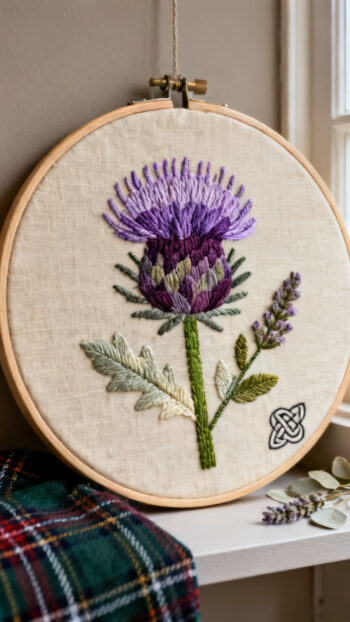
1. Framed Embroidery Hoop Accent
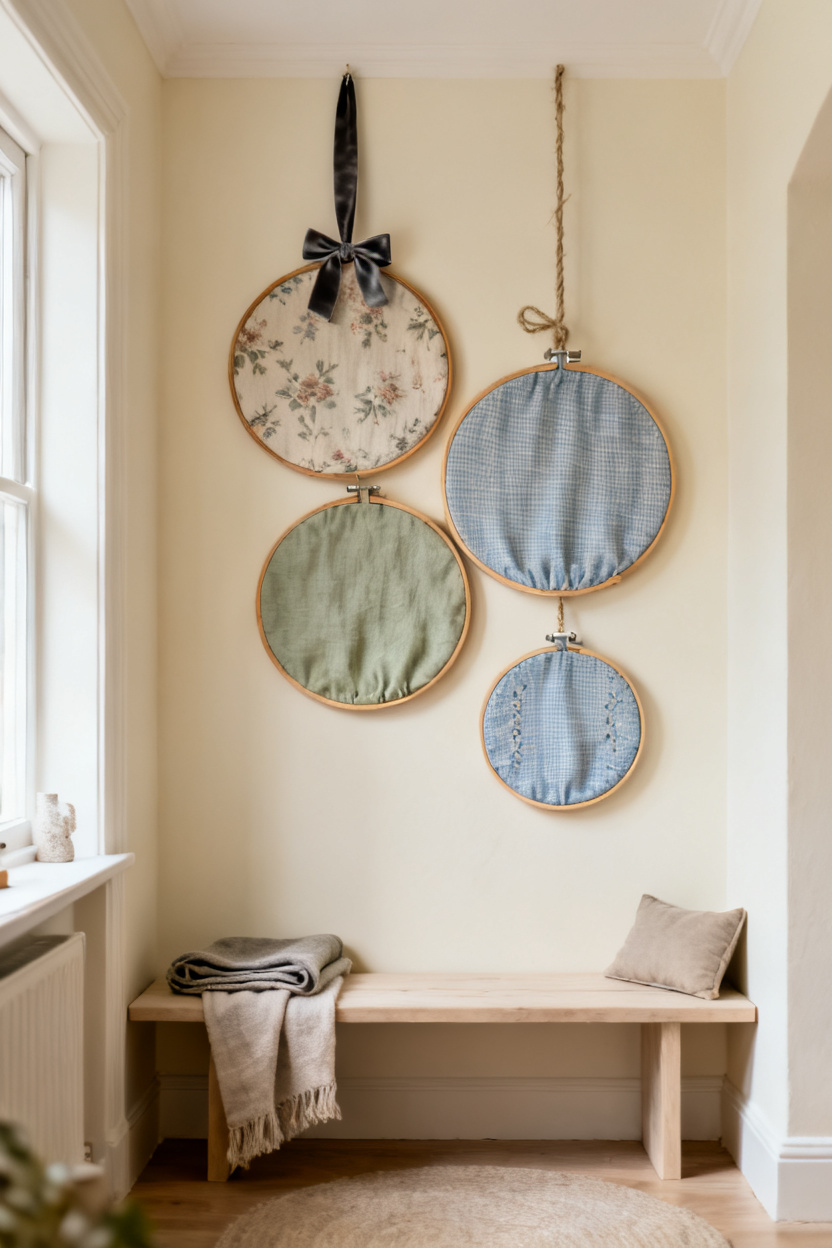
Framed embroidery hoop art is one of the easiest ways to make a wall feel more personal. You take a simple hoop, stretch fabric inside it, and turn a small scrap of cloth into something that looks thoughtful and styled. It works in bedrooms, reading corners, entryways, and even bathrooms where a framed print can feel too flat or formal.
The beauty of this idea is its balance. You get clean shape from the round hoop, soft pattern from the fabric, and a handmade touch that gives the room more heart. I like this project because it feels finished without feeling stiff, and it lets you use fabric that would otherwise stay hidden in a drawer.
Why This Small Piece Works
A hoop accent fills that awkward gap between bare wall and oversized art. If your room needs something light and charming, this does the job without making the space feel crowded. Floral cotton, striped linen, faded vintage prints, or textured canvas all create a different mood, so you can match the room instead of forcing one style everywhere.
You can also group several hoops together for more impact. Mixing three different sizes often looks better than trying to make one hoop carry the whole wall. That little cluster adds shape and rhythm, and it can sit above a desk, next to a mirror, or over a small bench where a large frame would feel too heavy.
Choosing Fabric That Looks Intentional
The fabric matters more than the hoop. A strong print can turn a basic project into a statement piece, but subtle fabric can be just as striking when it has visible texture. Think nubby linen, soft muslin, faded gingham, or embroidered cloth with tiny stitched details that catch the light.
If your room already has bold color, use a quieter fabric with cream, clay, sage, or dusty blue. If the room feels flat, pick one print that repeats a color from your rug, throw pillows, or curtains. That small link makes the whole room feel pulled together. You notice it right away.
I also find that natural wood hoops look warmer than bright plastic ones. If your hoop has a cheap finish, paint or stain it before adding the fabric. That one step can make the final piece look far more polished.
A Finishing Detail That Changes Everything
Pull the fabric tight, then trim the back neatly so the piece hangs flat against the wall. Wrinkled fabric can make the whole project look rushed, even if the front looks pretty. A clean back keeps the hoop from bulging and helps it sit better in a group display.
You can add a ribbon loop, velvet hanger, or simple jute string depending on the room. Soft velvet feels nice in a bedroom, while plain twine suits a casual, relaxed space. Small choice, big difference.
2. Woven Yarn Hanging With Texture
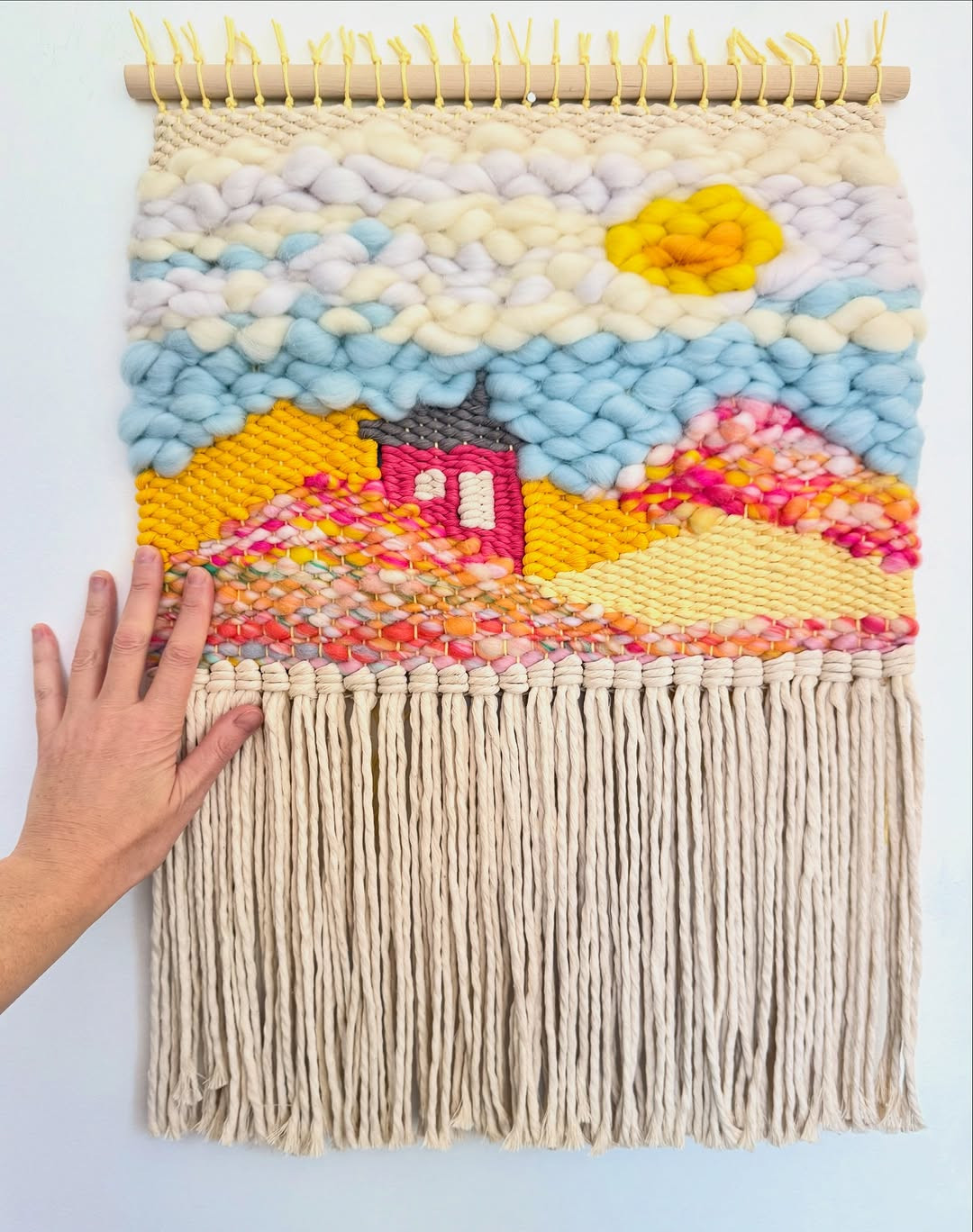
A woven yarn hanging brings softness to a room in a way framed art often cannot. The layered fibers, loose ends, and thick bands of yarn give the wall movement and depth, which helps a plain room feel warmer and more lived in. If your space has hard lines, smooth furniture, or a lot of white walls, this kind of hanging can make it feel calmer right away.
You do not need a large loom or expert weaving skills to get a beautiful result. A simple branch, dowel, or small frame can hold your piece, and basic over-under weaving is enough to build something eye-catching. The charm comes from texture, not perfection.
How Texture Changes the Room
Texture makes a room feel layered. When you add thick yarn, curly roving, fringe, or chunky knots to a wall, the whole space feels softer. This matters even more in rooms with wood floors, metal lamps, glass tables, or plain painted walls, because those surfaces can look a little cold on their own.
Try using two or three yarn weights instead of one. A mix of thick wool, thin cotton, and fluffy strands gives the hanging more life. Cream, rust, sand, blush, charcoal, and muted green all work well, especially when the shades blend instead of compete.
Color Choices That Feel Calm
You can make this project bold, but most woven wall hangings look strongest when the palette stays focused. Pick colors that already live in the room. That could mean warm oat and camel in a neutral bedroom, or terracotta and dusty rose in a cozy living room.
Too many sharp color changes can break the soft mood. Gentle shifts in shade usually look richer and more expensive. If you want contrast, place it in one stripe or one fringe section instead of scattering it all over the design.
I once made a small woven piece for a narrow hallway using only cream, tan, and faded black. It was simple, but the mix of shaggy yarn and smooth string gave the wall enough interest that the whole space felt less empty.
Placement Matters More Than Size
You do not always need a huge hanging. A medium piece can look better if it fits the wall and sits at the right height. Over a side table, above a small chair, or beside a bed, a woven hanging creates a soft anchor without taking over the room.
Leave a little breathing room around it. If you crowd it with shelves, frames, and mirrors, the texture gets lost. Let the fibers stand out. That is where the magic is.
For the cleanest finish, trim fringe after the piece hangs. What looks even on a table can shift once gravity pulls the yarn down. A final trim gives the design a more deliberate shape.
Credit to @artbyjodylee
3. Minimalist Wooden Bead Strand
A wooden bead strand is a smart choice when you want wall decor that feels quiet but still special. It uses simple shapes, smooth surfaces, and clean lines to bring warmth into modern, Scandinavian, or neutral rooms. This kind of hanging does not shout for attention, yet it still gives a blank wall a finished look.
That is why it works so well in homes with soft colors, light wood, and uncluttered styling. It adds detail without adding fuss. You can make one in less than an hour, but it can look like something you found in a high-end home shop.
The Appeal of Clean Design
Some wall crafts depend on lots of color or heavy texture. This one depends on shape and spacing. When you string wooden beads on cord and hang them from a ring, branch, or dowel, you create a pattern the eye can follow without overwhelming the room.
That makes it useful in spaces that already have strong pieces, like a bold sofa, patterned rug, or dark cabinet. The bead strand balances those elements instead of competing with them. If your room feels busy, this can calm it down.
Ways to Keep It From Looking Plain
Minimal does not mean boring. You can create interest by mixing bead sizes, adding one tassel, or using black, white, and natural wood in a gentle pattern. Even the cord changes the feel. Jute looks earthy, white cotton feels fresh, and black cord makes the design look sharper.
The hanging style matters too. A straight strand feels neat and modern, while a V shape or layered arch feels softer. I usually prefer uneven lengths because they look more natural on the wall and give the piece a little movement.
If you want a slightly richer look, paint a few beads in muted clay or sage. Keep the rest plain. That small touch can tie the piece to the room without turning it into a craft project that looks too busy.
Where This Idea Shines Best
This project works especially well in narrow spaces. Think entry walls, small powder rooms, the side of a bookshelf, or that odd spot between two windows. A large canvas can feel too heavy there, but a bead strand fills the space with a lighter touch.
It also layers well with other decor. You can hang it over a framed print, next to a mirror, or near a plant without making the wall feel stuffed. That flexibility makes it one of the easiest DIY wall hangings to place.
Use larger beads than you think you need. Very tiny beads can disappear on the wall, especially from across the room. A little scale goes a long way.

4. Painted Hoop Art for Color
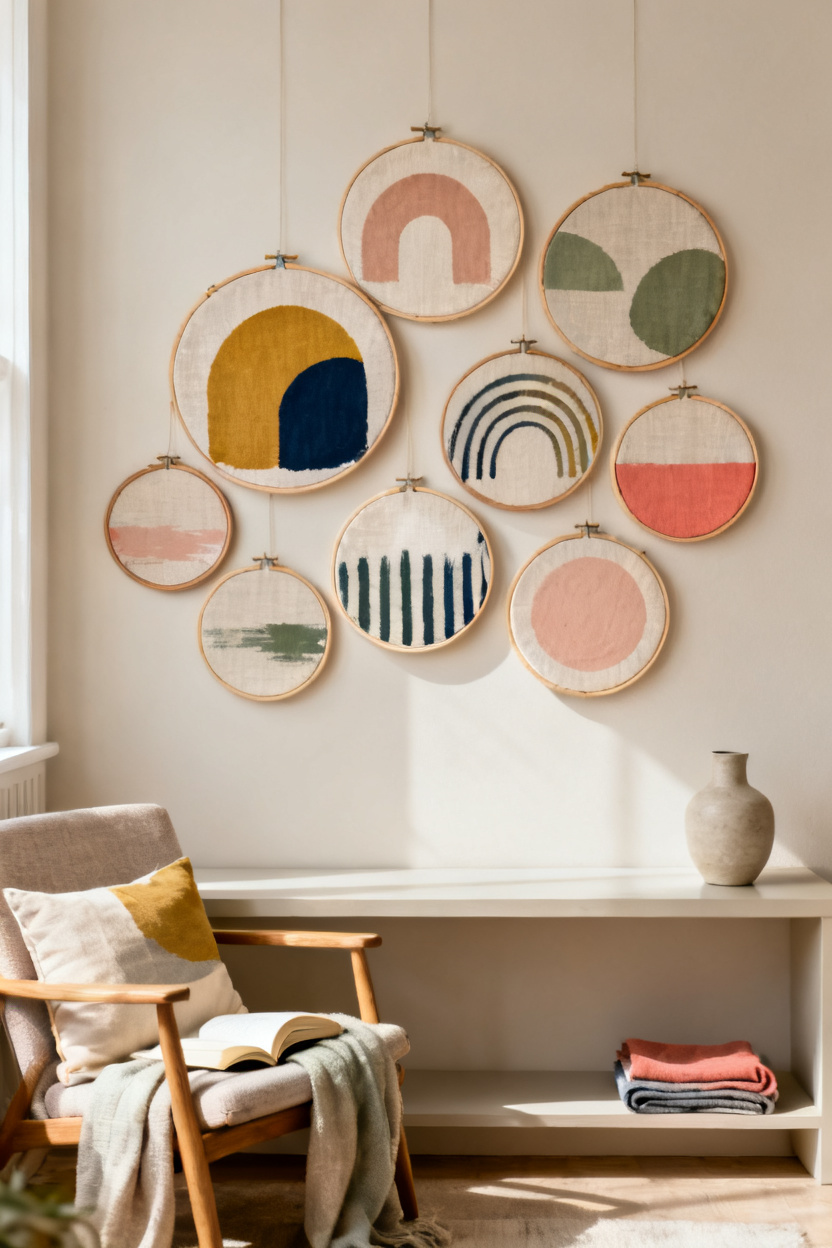
Painted hoop art is perfect when your room needs color but you do not want to commit to a large painted wall or expensive artwork. The hoop gives you an easy frame, and the paint lets you bring in shapes, brush marks, or patterns that wake up the space. It feels playful, but it can still look refined when the colors are chosen with care.
This project is great for renters, first-time crafters, and anyone who wants a quick win. You can make a few pieces in one afternoon and build a mini wall story with different tones, patterns, and sizes.
Using Color Without Overloading the Room
Small painted pieces give you freedom. You can test mustard, coral, olive, navy, or blush without covering an entire wall or buying new furniture. That matters if your room feels safe but a little flat. One or two painted hoops can add life without making the space feel loud.
Try repeating one color from somewhere else in the room, like a pillow, vase, or throw. Then add one softer shade that supports it. This keeps the art connected to the room instead of floating on its own. You want it to feel chosen, not random.
Simple Designs That Look Strong
You do not need to paint a detailed picture. In fact, simple shapes often look better in a hoop. Arches, stripes, half circles, soft brush strokes, and color blocks all suit the round frame because they echo or contrast with the shape in a clean way.
Fabric can stay visible under the paint, and that gives the piece more depth. A bit of cloth texture under matte paint looks warmer than painting on stiff paper. If the weave shows through slightly, even better. That layered surface makes the piece feel handmade in the best way.
I like making one hoop with a bold shape and another with a lighter, quieter pattern, then hanging them side by side. That pairing feels balanced and keeps the wall from looking too matched.
The Finish That Makes It Look Better
Paint the hoop itself or leave it natural, but make the choice on purpose. A painted ring can sharpen the design, especially with modern patterns, while raw wood softens bright colors. Either can work, but mixing them without a plan can make the grouping feel messy.
Give each hoop enough blank space in the design. Too much paint can make a small piece feel crowded. A little breathing room helps the color stand out more.
Before you hang a group, place the hoops on the floor and test the layout. This is the easiest way to see if one color is pulling too much attention or if one size needs to move. A quick mock-up saves extra nail holes.
5. Macramé Panel With Boho Flair
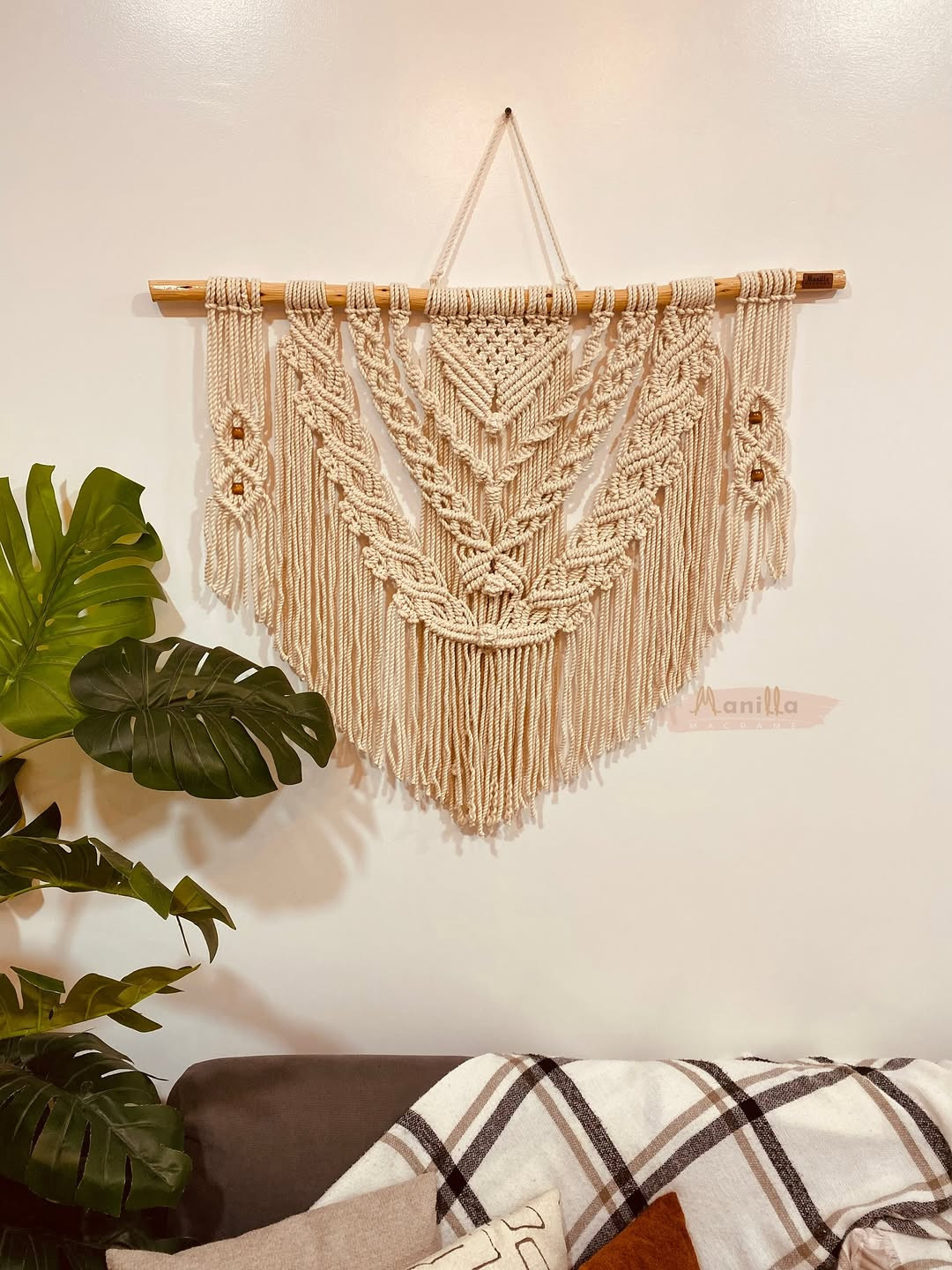
A macramé panel gives you drama, texture, and flow all at once. The knots create pattern, the hanging cords add movement, and the larger size helps fill vertical wall space that often feels hard to decorate. If a room needs warmth and character, this is one of the strongest handmade pieces you can add.
It suits boho spaces, but it can also look beautiful in modern rooms when the design stays simple and the color stays soft. Cream cord on a natural wood dowel has a calm look that works far beyond one decor style.
Why Knots Create Such a Strong Visual
Macramé has depth that paint and prints cannot copy. Each knot catches light a little differently, and the hanging strands create shadows that shift through the day. That gives the wall a living quality, especially near a window where the texture becomes more noticeable.
Large panels work well above beds, sofas, and benches because they fill the wall with softness instead of hard edges. If you have high ceilings, a long macramé piece helps pull the eye upward and makes the room feel more complete. This is useful in spaces that look empty even after you add furniture.
Choosing a Style That Fits Your Room
Some macramé designs are full of dense knots and dramatic fringe. Others use open patterns with lots of air between the cords. The right one depends on the rest of your room. If your space already has patterned rugs, printed pillows, or busy shelves, choose a simpler panel with more open space.
If the room feels plain, go for a fuller design with layered rows, long fringe, and a strong center shape. You can even add wooden beads for a little contrast, though I would use them sparingly. Too many add-ons can distract from the beauty of the knot work itself.
Making a Big Piece Feel Balanced
Scale matters here. A tiny macramé hanging over a wide bed can look lost, but a broad panel with long fringe can ground the whole wall. Measure the space first and decide how much visual weight you need. A good rule is to leave some wall showing on both sides so the piece has room to breathe.
Credit to @manilla_macrame_
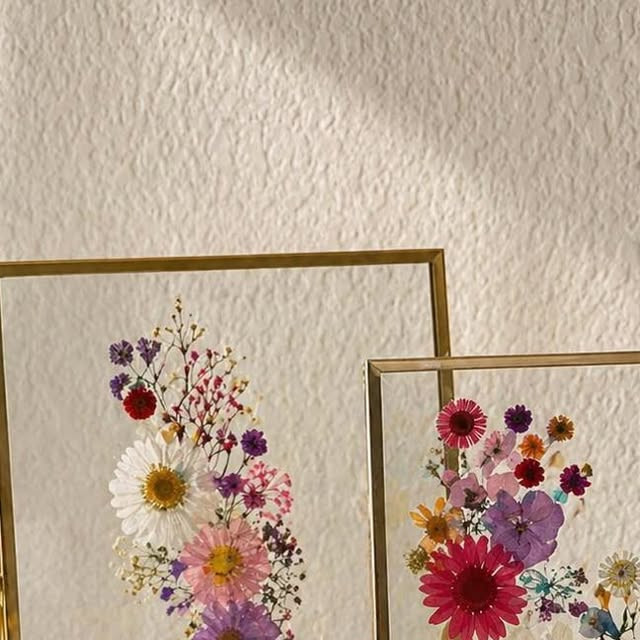
6. Pressed Botanical Frame Display
A pressed botanical frame display turns dried flowers and leaves into quiet wall art with real texture. It feels light, calm, and thoughtful, which makes it a strong choice for bedrooms, reading corners, and entry walls that need a softer touch.
You can keep it neat and modern or make it look more romantic. The beauty of pressed botanicals is that they already have detail, so even a simple design feels special.
Why This One Feels So Calm
Fresh flowers are lovely, but they fade fast. Pressed stems hold onto their shape and color much longer, and that gives you a wall hanging craft idea that looks delicate without feeling temporary. If you like decor that does not shout for attention, this project works well because it adds interest in a quiet way.
The frame matters too. A thin glass frame keeps the look airy and clean, while a darker wood frame gives the piece more weight and a slightly vintage mood. I like this craft because it can look expensive even when the materials are modest, and that is rare in DIY decor.
Best Plants To Press
Small flowers, fern leaves, herbs, and thin stems press the best. Thick blooms can still work, but they take longer and often lose their shape, so you may want to save those for another project. If you are just starting, use flat petals and narrow leaves because they are easier to arrange inside the frame.
Color makes a big difference. Green eucalyptus, yellow wildflowers, and muted pink petals create a soft mix that suits many rooms. If your room already has a lot of pattern, use only one or two plant types so the wall hanging does not feel busy.
How To Make It Look Intentional
Spacing is what separates a rushed project from one that looks styled. Leave open space between each stem, and do not try to fill every inch of the frame. That breathing room helps the plants stand out.
It also helps to repeat one shape across the layout. You might place three similar leaves in a row or echo one small flower in different spots. That tiny bit of order makes the display feel planned, even if the materials came from your backyard.
Credit to @juniorsartanddiy
7. Driftwood and Tassel Arrangement
This wall hanging pairs a weathered branch with soft tassels for a relaxed, handmade look. It brings a casual coastal mood into a room, but it can also lean rustic or modern depending on your colors and the shape of the wood.
If you want something easy to customize, this is a smart pick. A driftwood tassel hanging can be neutral and quiet or playful and full of color.
Why The Contrast Works
Rough wood and soft fiber make each other stand out. The driftwood brings shape, age, and a natural line across the wall, while the tassels add movement and softness below it. That contrast gives the piece more depth than a flat sign or simple poster.
You do not need real beach driftwood, either. A fallen branch with a nice curve can work if it is dry, clean, and sturdy. The less perfect the wood looks, the better this project tends to feel because the natural shape gives it character.
Color Changes Everything
Cream, sand, and pale gray create a calm look that works in a bedroom or nursery. Rust, mustard, and muted blue feel warmer and a little more artistic, especially against white walls. If your room already has bright pillows or patterned rugs, keeping the tassels simple will help the space feel balanced.
Length matters as much as color. Tassels cut at slightly different lengths create a loose, layered shape, while evenly trimmed tassels look more crisp and modern. You can even mix thick yarn with thinner string for extra texture, though it is best to stay within one color family so the piece still feels pulled together.
A Small Build With Big Impact
This craft fills empty wall space well because it has width and drop. A short branch above a desk can act like a small accent, but a longer piece over a bed or sofa has more presence and can tie the room together. That makes it useful when you need wall decor that feels handmade but still substantial.
I also like it for renters. It is light, easy to hang, and easy to move, which means you can refresh a room without a big commitment. If one tassel gets damaged, you can replace only that part instead of remaking the whole thing.

A fabric scrap banner turns leftover cloth into a colorful wall hanging with movement and charm. It is one of the easiest DIY wall hanging craft ideas to make, yet it can still look thoughtful and well styled when the colors and prints relate to each other.
This project is perfect for using what you already have. A fabric banner adds pattern in a softer way than framed art or painted decor.
Why Scraps Look Better Than You Expect
Small pieces of fabric often seem too random on their own. Once they hang together from one cord or wooden dowel, they start to read as a full design. The mix of prints, solids, and textures gives the banner a lived-in feel that suits craft rooms, kids' spaces, and casual living areas.
There is also a practical side to it. You can use old shirts, table linens, pillow covers, or sewing leftovers, so the cost stays low. If you enjoy projects with a bit of memory in them, this one has real charm because the materials may already mean something to you.
How To Keep The Pattern From Looking Messy
The easiest fix is to choose one guiding color. That color can repeat across florals, stripes, checks, and solids so the banner feels connected even when the fabrics differ. Too many unrelated prints can make the piece feel noisy, especially in a smaller room.
Shape helps too. If every strip is cut differently, the banner may look more playful but less polished. If most pieces follow one simple cut, like long tails or clean rectangles, the design gains more order and becomes easier to style with the rest of your room.
You should also think about spacing. Packing the fabric tightly creates a fuller, richer banner, while leaving small gaps gives it a lighter look. Both can work, but a denser banner usually suits bold rooms, and a looser one fits calmer spaces.
Where It Fits Best
This craft shines in spots that need softness and color without heavy visual weight. Try it above a child's bed, near a desk, in a hallway nook, or over a shelf that feels a little bare. Because fabric moves gently, it brings life to corners that often feel flat.
If you want it to last longer, press the fabric first and trim loose threads before hanging it. That one step makes a big difference and gives the finished piece a cleaner, more cared-for look.

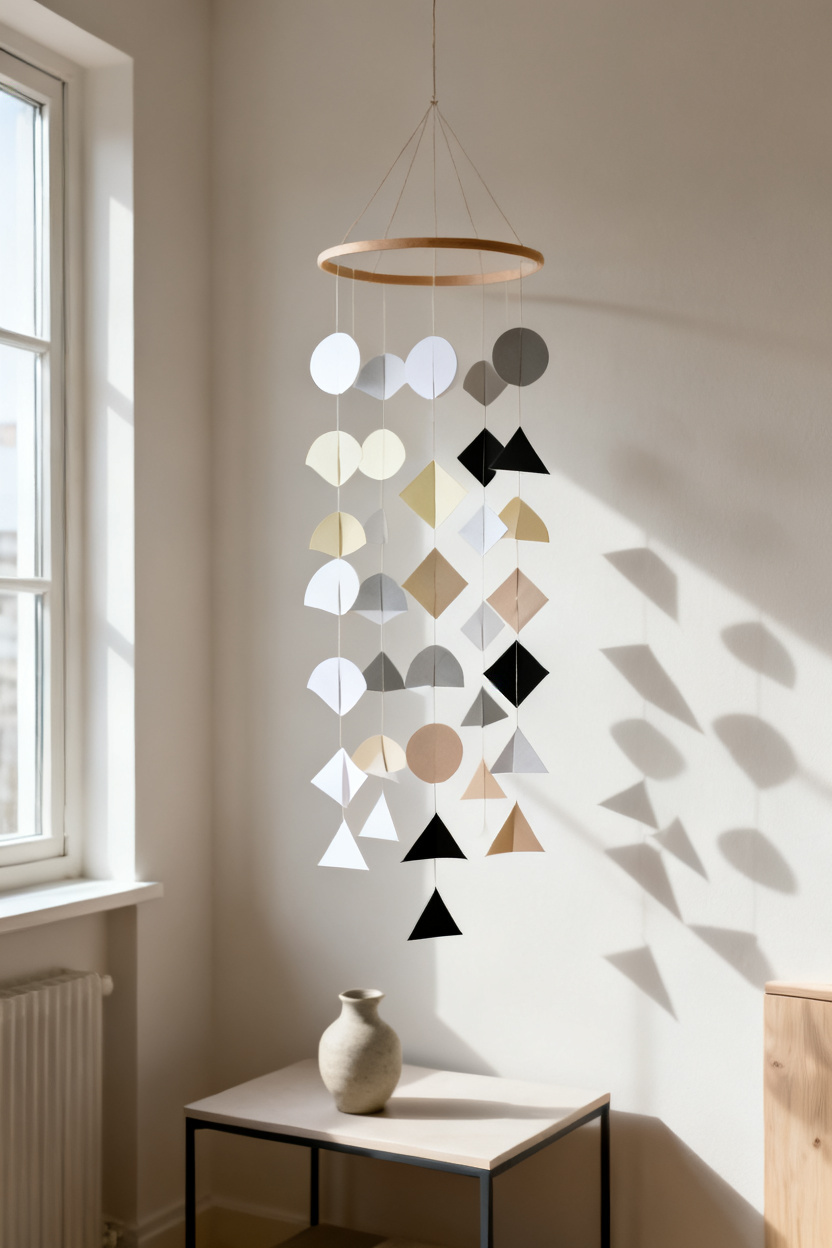
9. Geometric Paper Mobile Display
A geometric paper mobile display uses folded or cut shapes to create wall decor with movement, symmetry, and lightness. It feels playful, but it can also look sleek and modern when the palette stays simple and the shapes repeat with care.
This is a strong option when you want visual interest without bulk. A paper mobile catches air and light, so the piece changes through the day.
Motion Makes The Wall Feel Alive
Most wall art stays still, and that is fine, but a mobile does something different. Even a small shift in air can make the shapes turn, overlap, and cast soft shadows. That motion brings a quiet energy into the room, which is great in spaces that feel stiff or overly arranged.
Paper also keeps the project affordable. Cardstock, scrapbook paper, and even painted paper can all work, and you can cut circles, diamonds, arches, or folded forms depending on the look you want. Clean lines tend to suit modern rooms, while softer rounded shapes feel lighter and more playful.
Choosing Shapes That Work Together
Repeating one shape creates a calm rhythm. Mixing two related shapes, like circles and half circles or diamonds and triangles, adds more variety without losing order. The trick is to keep one part consistent, either the color, the size, or the spacing between pieces.
Symmetry gives the display a more formal look. Uneven lengths feel looser and more artistic. I find that a balanced mobile works best in living rooms or bedrooms, while a slightly uneven one has more personality in a craft area, hallway, or child’s room.
Simple Details That Improve The Finish
String choice matters more than people expect. Clear thread makes the shapes seem to float, while white or black thread turns the hanging lines into part of the design. A slim hoop, branch, or wooden stick at the top can all work, but keep the support piece light so it does not overpower the paper.
Hang it where it has room to move. A tight wall corner will hide the effect, but an open spot near a window or above a side table lets the shapes shift and catch the eye. That little bit of motion is what makes this craft memorable.
10. Choosing the Right Craft
Picking the best wall hanging is not only about what looks good in a photo. It is about what fits your time, your budget, and the mood you want your room to have, so the finished piece feels at home instead of forced.
If you are unsure where to start, think about one thing first. The right craft match should feel doable from the start and easy to live with after it is on your wall.
Start With Your Skill Level
If you want a low-stress project, a fabric scrap banner or pressed botanical frame is often the safest place to begin. Both are forgiving, easy to adjust, and still give you a polished result without a lot of special tools. A paper mobile asks for more patience because cutting, spacing, and balance matter more than people expect.
A driftwood tassel hanging sits in the middle. It is simple to build, but it looks best when the colors, lengths, and branch size work well together. If you enjoy small styling choices, that project can be very satisfying.
Match The Craft To Your Room
Think about what your room already says. Soft bedrooms often suit botanicals or pale tassels, busy creative spaces can handle patterned fabric, and clean modern rooms usually pair well with geometric paper forms. You do not need a perfect design plan, but the wall hanging should repeat something already in the room, such as color, texture, or shape.

Conclusion
Your wall does not need a major makeover to feel new. One handmade piece can shift the whole mood of a room, especially when it reflects your style and uses color, texture, or movement in a thoughtful way.
Save the idea that matches your space best, then start with simple materials and a clear plan. If one project goes well, try another in a different room. Over time, these small DIY wall hanging crafts can make your home feel more personal, more finished, and much more like you.