A flat bedroom can feel unfinished, even when the bed, rug, and lighting all look right. The right wall treatment changes that fast. It adds color, shape, texture, and mood, so your room feels warmer, calmer, and far more pulled together.
Think soft painted curves behind the bed, slim wood lines that catch the light, leafy wallpaper that brings in a lush garden feel, or deep paint that makes white bedding glow. These 11 ideas can help your space feel taller, richer, and more personal without a full remodel.
If you want a bedroom that looks styled, restful, and worth saving to your dream home board, these ideas give you a clear place to start. Each one can shift the whole atmosphere of the room.
1. Painted Arches Behind the Bed
A painted arch gives your bed an instant backdrop, and it does it with very little cost or mess. This idea works because it frames the headboard, pulls the eye upward, and adds a soft shape to a room that is often full of hard lines. If your bedroom feels plain, a painted arch can make it feel styled in a single weekend.
Why the curve changes everything
Bedrooms often have square windows, straight dressers, flat walls, and sharp corners. An arch breaks that pattern in a gentle way. It adds movement without looking busy, and that soft curve can make the room feel calmer the moment you walk in. If your bed wall feels empty, this shape gives it purpose.
You also get a custom look without building anything. A can of paint, a pencil line, and careful taping can create the effect of an architectural feature. I like this idea because it feels artistic, yet it still looks clean and simple. It suits modern rooms, cozy spaces, and even older homes that need a fresh update.
Choosing the right color story
The color matters as much as the shape. Warm beige, dusty rose, muted terracotta, olive green, and smoky blue all work well because they feel restful. A deep tone can create drama behind light bedding, while a pale tone gives a softer look that blends into the wall and still adds interest.
You can paint the arch in the same color family as your bedding for a calm, layered effect. You can also use contrast if you want the wall to stand out. A clay arch behind a cream linen bed looks warm and grounded. A soft sage arch behind white pillows feels fresh and airy. The finish counts too. Flat or matte paint usually looks more relaxed in a bedroom.
Placement that looks intentional
Scale makes this idea look polished. The arch should usually be wider than the bed and tall enough to rise above the pillows and headboard. If it is too small, it can look like a random painted patch. If it is wide and balanced, it looks designed for the room.
Center it carefully, and think about what else sits on that wall. Sconces, art, and tall headboards all affect the final shape. If you rent or feel nervous about bold color, try a lighter tone first. Even a soft mushroom or pale green arch can change the whole mood without taking over the room.
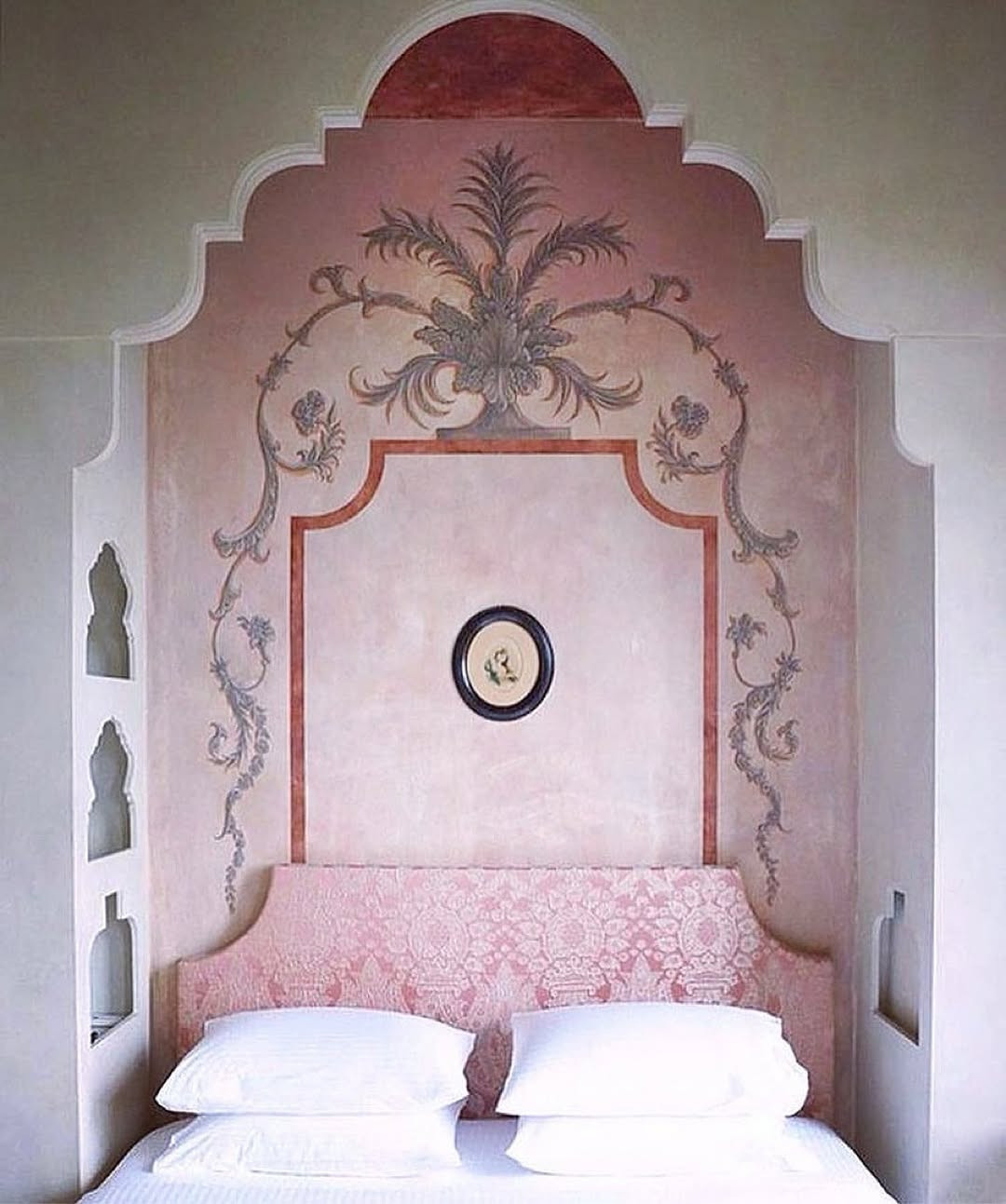
Credit to @eclectic_territory
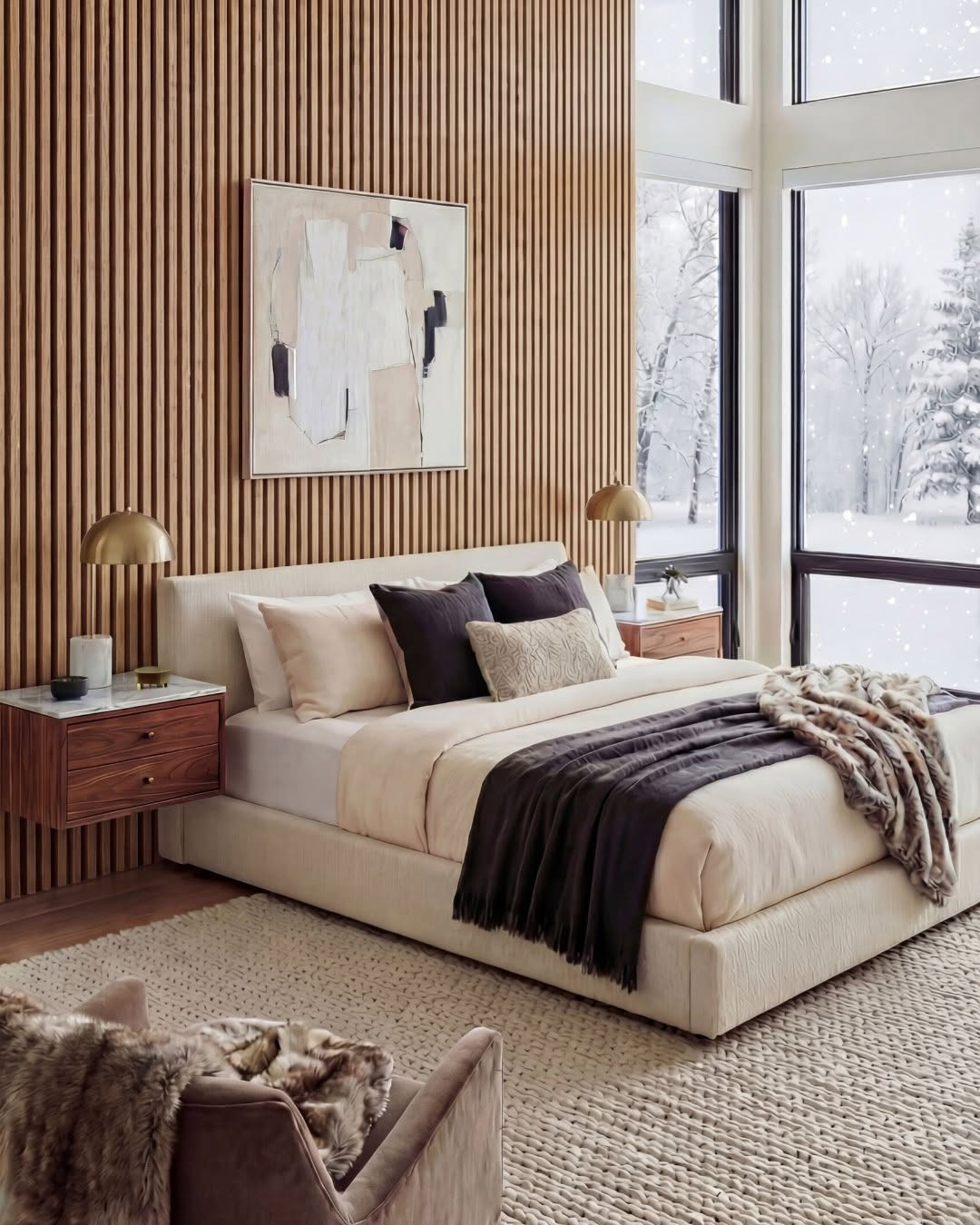
2. Vertical Wood Slat Panels
Wood slats bring order, warmth, and a quiet sense of detail to a bedroom. They make a plain wall feel richer, almost like custom millwork, but the look can still stay simple. A wood slat wall is especially useful if your room feels cold or flat and you want texture without relying on more decor.
Texture that still feels calm
Some accent walls shout for attention. Wood slats do not need to. They add interest through shadow, spacing, and natural tone, which means the room keeps its peaceful feel. That matters in a bedroom, where too much pattern or color can start to feel restless instead of relaxing.
The vertical lines also make the wall seem taller. This is one reason the style works so well behind a bed. In a smaller bedroom, those slim repeated lines can stretch the eye upward and make the whole space feel more finished. Even a basic platform bed starts to look more expensive against this kind of backdrop.
Finding the right wood tone
Color choice sets the mood. Light oak or ash feels airy and modern. Walnut and medium brown shades bring depth and warmth. Black-stained slats can look bold and dramatic, especially with white bedding and brass lighting. The best choice depends on the rest of your room, especially your floor tone and furniture finish.
If everything in the bedroom is already brown wood, you need contrast. That could mean using slats in a lighter tone or painting them to match the wall for a softer look. If your room has lots of white, black, or gray, natural wood can keep it from feeling sterile. I often find that a medium oak gives the best balance. It looks warm without making the wall too heavy.
How much wall to cover
You do not always need to cover the entire wall. Full-width slats create a strong statement and work well in larger rooms with simple furniture. A smaller panel that spans just beyond the width of the bed can look cleaner in tighter spaces. Both can work. The trick is to make the size feel tied to the bed, not random.
Spacing matters too. Thin gaps create a crisp, tailored look. Wider gaps feel more casual and modern. If you plan to add bedside sconces, map that out before installation so the slats and lights feel like one design. That small step makes the whole wall look thought through.
Keeping the room balanced
Because slats already add texture, the rest of the room can stay simpler. Crisp bedding, one patterned pillow, and soft curtains are often enough. You do not need a lot of extra wall art when the wall itself does the visual work.
That is part of the appeal. You get a bedroom that feels layered and interesting without filling every surface. The result is warm, clean, and easy to live with.
Credit to @paneluxcanada
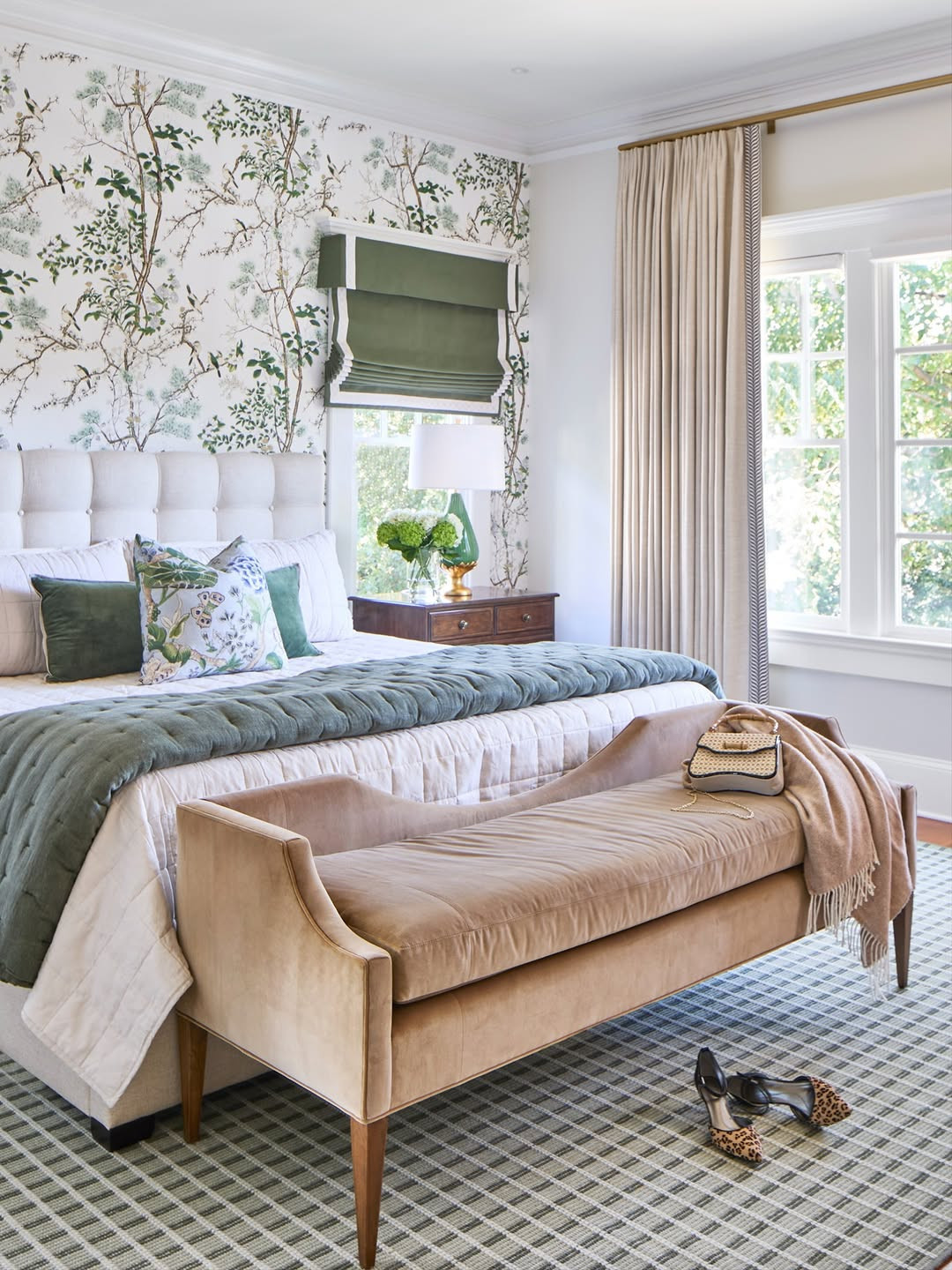
3. Wallpaper With Botanical Depth
Botanical wallpaper can turn one bedroom wall into a lush focal point without making the room feel crowded. Leaves, branches, vines, and layered floral shapes bring movement and life to the space, especially when the other walls stay simple. If you want a bedroom that feels soft, styled, and a little transportive, botanical wallpaper does that with real impact.
Creating a garden-like backdrop
A good botanical print adds more than pattern. It creates atmosphere. Soft green leaves can make the room feel fresh and peaceful, like early morning light through trees. Darker prints with richer tones feel cocooning and intimate, almost like a hidden retreat. That visual depth makes a bed wall feel more complete than plain paint often can.
This idea works especially well if your bedding is simple. White, cream, sage, or dusty blue bedding lets the wallpaper stand out without fighting for attention. If your room already has many colors, choose a print that repeats one or two of them so the wall feels tied to the rest of the space.
Big prints versus smaller patterns
Scale changes the effect. Large leaves and oversized florals feel bold and dramatic, and they can make the bed wall look like a mural. Smaller repeating prints feel quieter and more classic. They still add detail, but they do it in a gentler way that suits a more traditional or cottage-style bedroom.
I think large-scale botanicals work best when the room does not have much visual clutter. They need space to breathe. Smaller prints are easier to pair with patterned quilts, pleated lampshades, or vintage furniture. If you feel unsure, look at the room from the doorway and ask what the eye should notice first. The answer helps you choose the right print size.
Color choices that calm the room
Green is the obvious favorite, but it is far from the only option. Deep blue botanicals feel moody and elegant. Taupe and cream prints feel soft and natural. Black backgrounds with muted leaves create drama, especially in rooms with warm wood and layered textiles. The best bedroom accent wall ideas do more than stand out. They also support rest.
That is why color balance matters. If the wallpaper is rich and detailed, keep your sheets and curtains quieter. Let one or two tones from the print show up again in pillows, a throw, or the rug. This simple repeat makes the room feel connected instead of busy.
Credit to @kandrackole
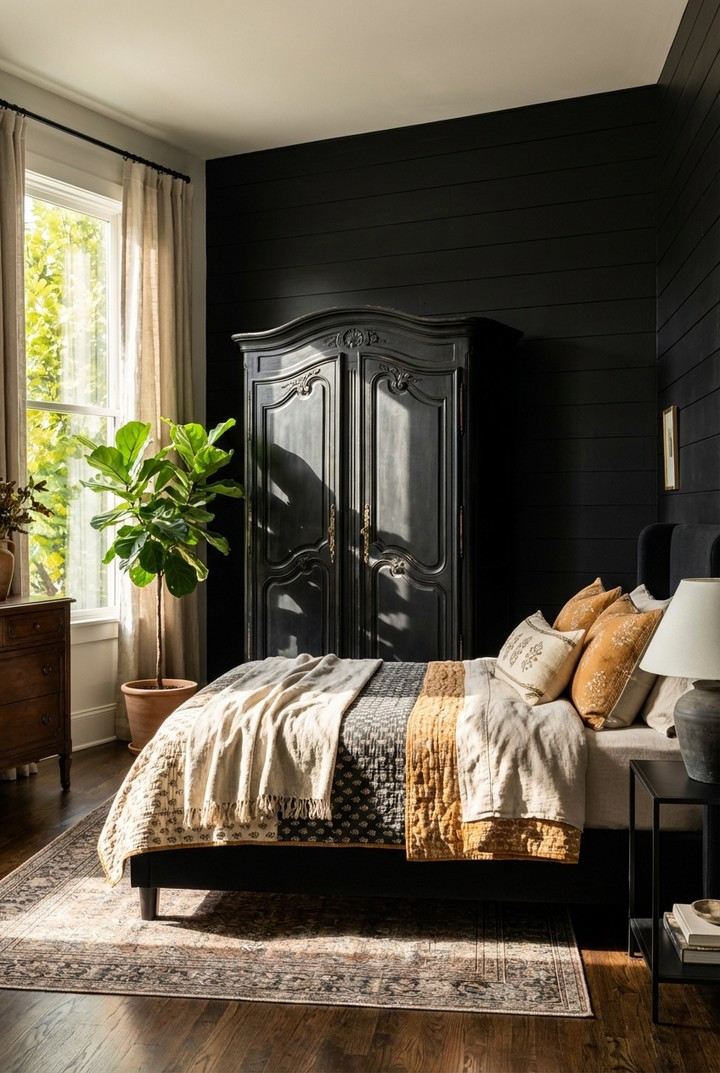
4. Moody Dark Paint Contrast
Dark paint can make a bedroom feel grounded, calm, and striking all at once. A deep charcoal, forest green, or navy wall gives the bed real presence and makes pale bedding, wood furniture, and metal accents stand out in a stronger way. If you want drama without clutter, a dark accent wall is one of the smartest choices you can make.
Why dark colors feel restful
There is a reason darker bedrooms often feel more intimate. Deep color absorbs light instead of throwing it around the room, so the space feels softer and more enclosed. That can be a huge benefit if your bedroom feels too bright, too bare, or too exposed. A darker wall behind the bed creates a visual anchor that helps the whole room settle down.
Charcoal feels modern and clean. Navy carries a classic depth that works in many homes. Forest green adds richness and pairs beautifully with cream, tan, and walnut wood. These shades all create contrast, but they do it in a way that still suits sleep and quiet.
Making light pieces stand out
One of the best parts of dark paint is what it does to everything around it. White pillows look crisper. Beige throws look warmer. Brass lamps glow more. Even simple furniture can seem more expensive when it sits against a deep, matte wall. You do not need many decorative extras because the contrast does so much of the work.
This is especially helpful in bedrooms with basic builder-grade features. A dark wall can distract from plain trim, standard windows, or a simple bed frame by giving the eye a stronger focal point. I have seen the same room go from forgettable to memorable just by painting one wall a rich, deep shade.
Getting the finish and lighting right
Dark paint shows light in a different way, so finish matters. Matte and eggshell usually look softer and hide wall flaws better than anything shiny. Before you commit, paint a large sample and watch it through the day. Morning light, lamp light, and evening shadows can all change the color more than you expect.
You should also think about balance. If the wall is dark, bring in texture through bedding, curtains, and a rug so the room still feels inviting. Linen, boucle, soft cotton, and warm wood all help. That mix keeps the space from feeling flat or heavy. Done well, a dark accent wall feels bold, calm, and deeply stylish.
Credit to @peccolehouse
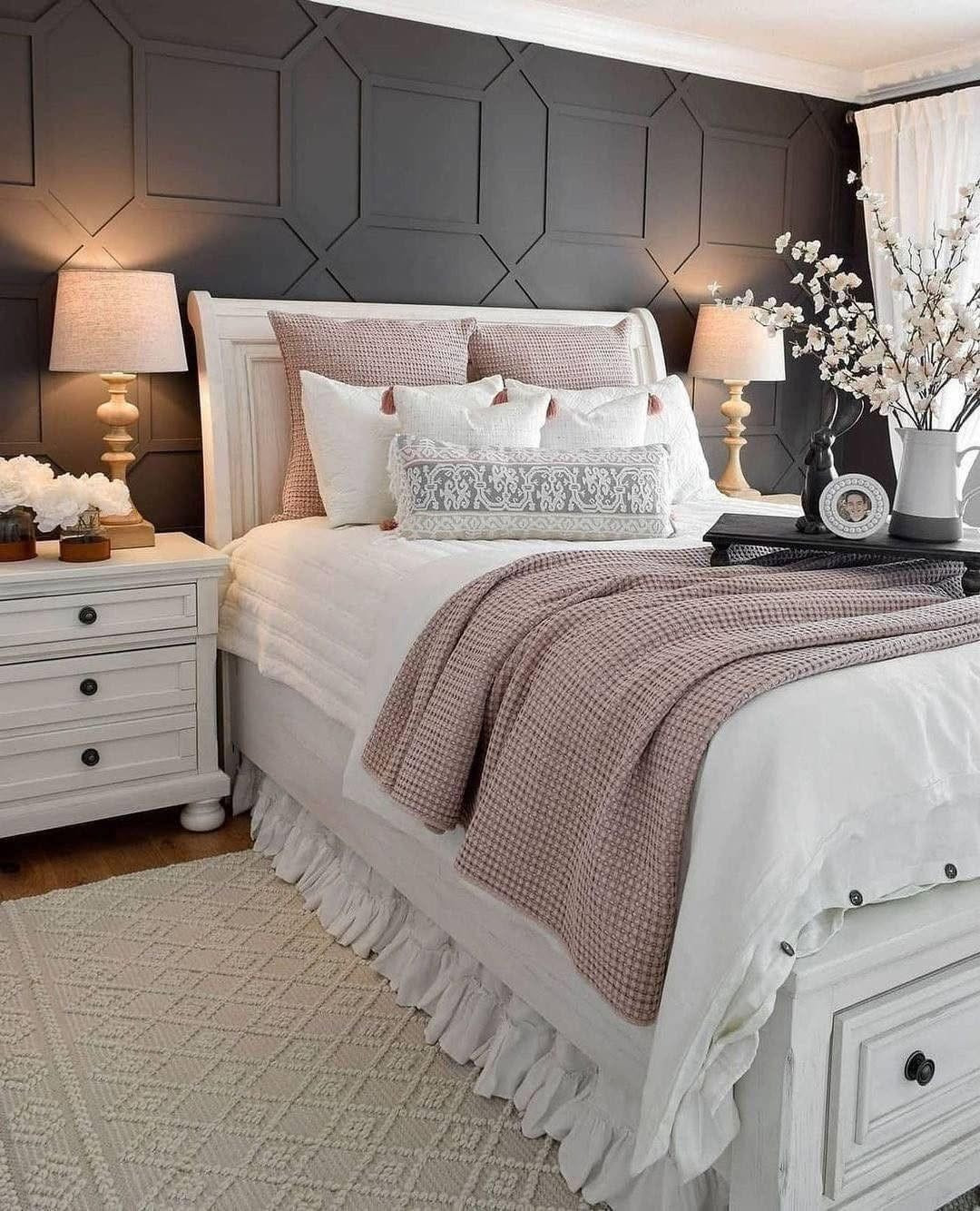
5. Geometric Molding Wall Design
A geometric molding wall uses thin trim to build clean shapes right on the wall, giving your bedroom a custom look that feels polished and calm without adding visual mess.
Why This Look Feels So Tailored
Paint can change color, but molding changes the way a wall reads. That is the real draw here. Once you add slim trim in squares, rectangles, or a simple grid, the wall starts to feel built in rather than decorated at the last minute. You get that quiet, high-end look people often notice in boutique hotels and newer custom homes, but you can shape it to fit almost any bedroom style.
This idea works especially well behind the bed because it frames the largest piece in the room. Your headboard looks more intentional, and even a plain bed starts to feel more styled. I like this option because it adds structure without making the room feel busy. If you already have soft bedding, warm lighting, and a simple rug, molding gives the space contrast in a very controlled way.
Pattern Choices That Actually Work
The best patterns are usually the simplest ones. A basic box layout feels classic. Tall rectangles pull the eye up and make the ceiling seem higher. A wide grid can make a small room feel steadier and more balanced. If you try to fit too many angles or tiny shapes onto one wall, the result can look forced, and that takes away from the calm feeling a bedroom needs.
Spacing matters just as much as the pattern itself. Equal gaps between each trim line create rhythm, and rhythm is what makes the design feel expensive. You do not need huge walls for this. Even a modest bedroom can carry molding well if the scale fits the room and the pattern stays clean.
Paint Makes the Whole Thing Land
Most people paint the trim and wall the same color, and that is usually the smartest move. It lets the shape show through shadow and light instead of harsh contrast. Soft white, warm beige, muted green, and dusty blue all work well because they keep the detail visible but restful. In a darker bedroom, charcoal or deep taupe can make the molding feel dramatic without looking heavy.
If you want a stronger accent wall, use satin or eggshell paint so the trim catches a little light. Keep the rest of the room quieter. That balance helps the wall stand out in the right way, and it stops the bedroom from feeling overdesigned.
Credit to @farmhouseismystyle
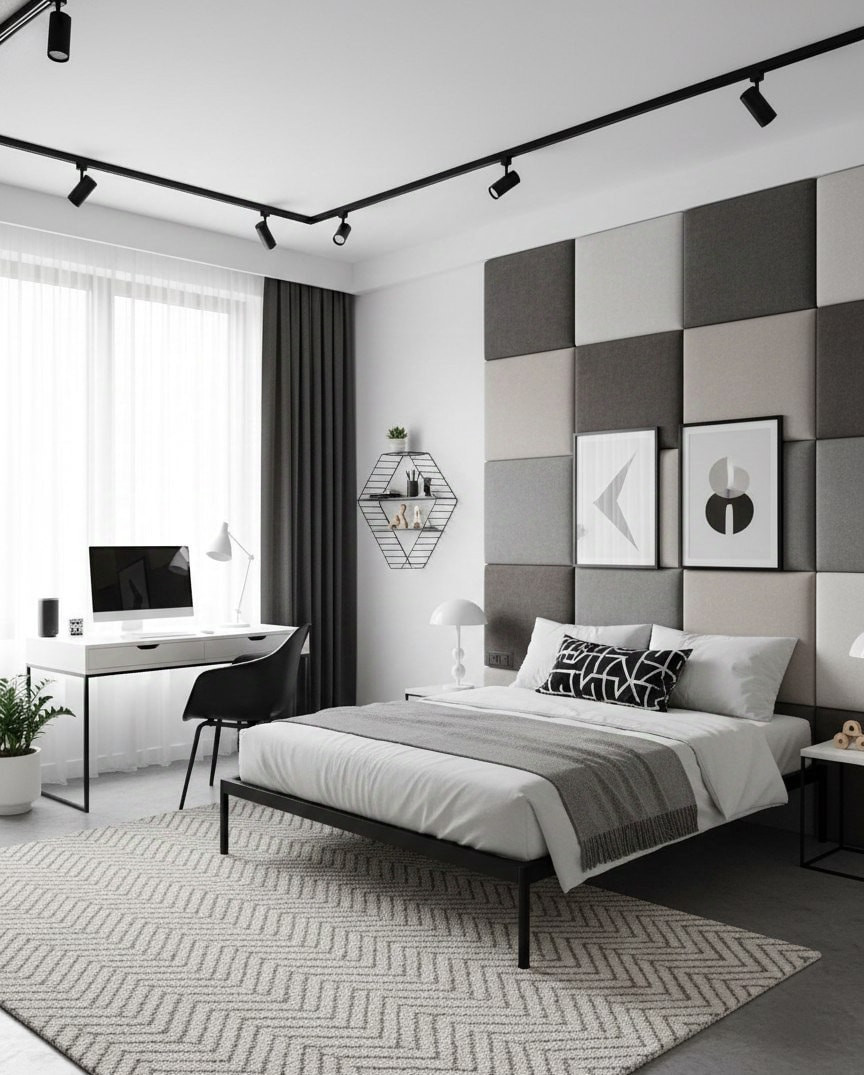
6. Upholstered Wall Panel Features
Upholstered wall panels turn a plain wall into a soft, padded backdrop that feels cozy, quiet, and a little luxurious, especially behind the bed.
Softness You Can See and Feel
Some accent walls add shape. This one adds comfort. Padded panels bring in a softness that paint and wood simply cannot match, and that changes the whole mood of the bedroom. The room feels quieter right away, even before you notice the sound difference. That is one reason this style feels so close to a hotel suite. It wraps the bed area in texture and makes the space feel more restful.
You can cover a full wall, half wall, or just a large section behind the headboard. A full-height layout looks dramatic and smooth. A lower band can still make a strong impact if the panels are wide and well placed. If your bedroom has hard surfaces like wood floors, metal lamps, or sharp modern furniture, fabric panels help soften the edges.
Fabric, Shape, and Mood
The fabric choice changes the tone fast. Linen-look panels feel light and relaxed. Velvet feels richer and more dramatic. Faux suede lands somewhere in the middle and often works well in modern spaces. Neutral shades are the easiest to live with, but muted olive, rust, navy, or clay can make the wall feel more personal. You do not need a loud color here because the texture already does a lot of the work.
Panel shape matters too. Tall vertical panels can make ceilings look higher. Square panels feel classic and balanced. Channel-tufted styles create a softer rhythm and often suit modern bedrooms. I have seen simple rectangular panels make the biggest difference because they look clean and timeless, and they do not fight with bedding, curtains, or art.
What to Know Before You Commit
This is a smart choice if you like reading in bed or sitting up with pillows often, since the wall becomes part of the comfort layer. It also helps absorb sound, which can be useful in apartments, busy homes, or rooms with lots of echo. You should still think about cleaning, especially if you choose a light fabric. Bedrooms collect dust, and textured surfaces need a little care.
Keep the panel height tied to your bed size. If the wall treatment is too short, it can feel accidental. If it rises too high in a very small room, it may crowd the space. Aim for a design that frames the bed and leaves enough breathing room around lamps, nightstands, and windows.
Credit to @preciosa_design
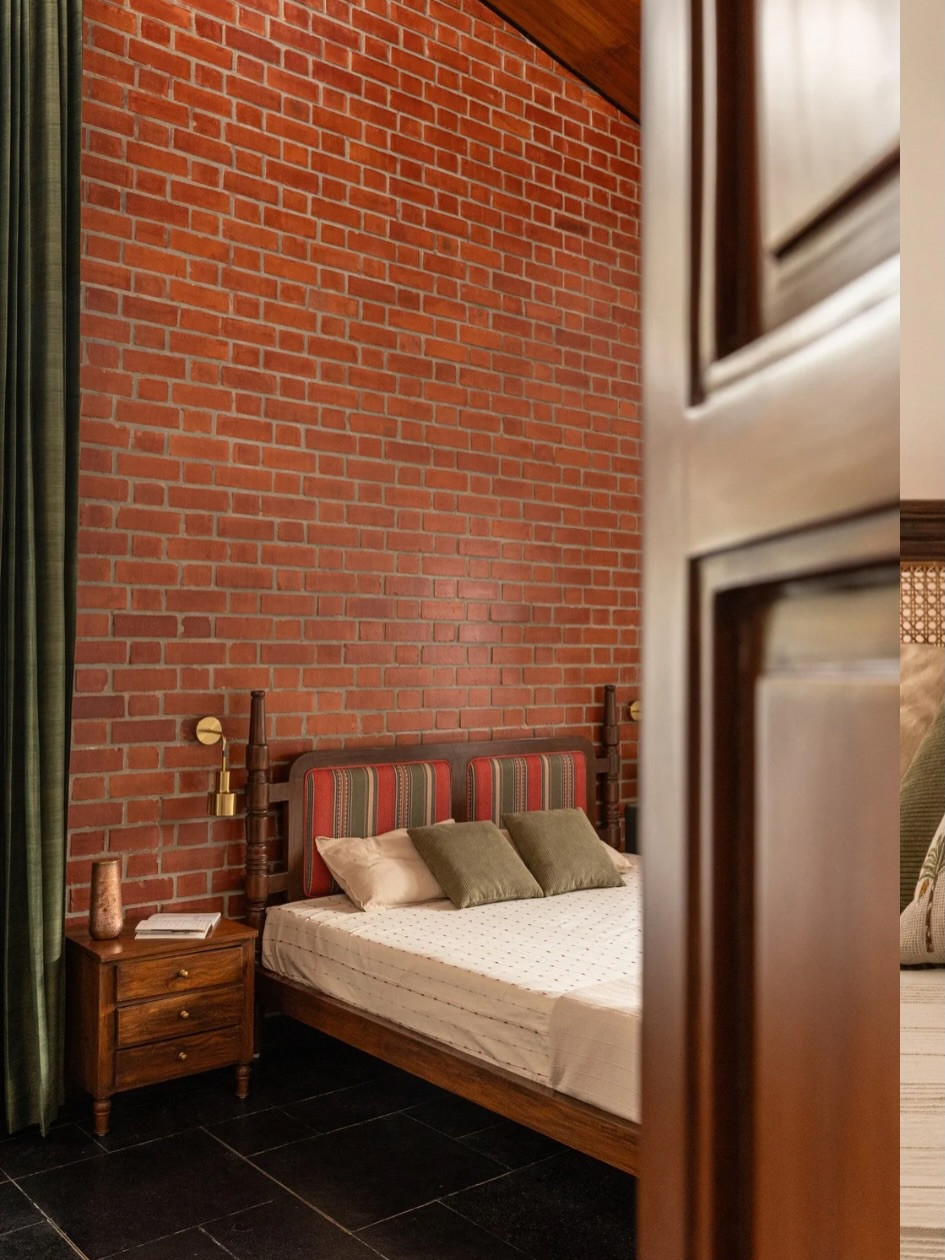
7. Exposed Brick or Brick Veneer
An exposed brick wall brings rough texture and natural depth into the bedroom, giving the space a grounded look that feels relaxed, lived-in, and full of character.
Instant Character, Even in New Homes
Brick has a presence that flat walls do not. It carries age, texture, and a sense of permanence, which is why it works so well as a bedroom accent wall. If you live in an older building and have real brick under drywall, that is a gift. If you do not, brick veneer can still create the same mood with less mess and less weight. The visual effect is what matters most. You get variation in color, uneven texture, and small imperfections that make the room feel real.
This look often leans industrial, but it does not have to feel cold. Pair it with soft bedding, warm wood, layered blankets, and gentle lighting, and the wall starts to feel calm rather than harsh. That contrast is exactly what makes brick so appealing in a bedroom. It gives the room backbone.
Real Brick Versus Veneer
Real brick has depth you can see from every angle. It also brings more dust, more prep, and sometimes sealing work. Veneer is easier to install, easier to plan around, and often more realistic now than many people expect. Some panels look too uniform, so sample photos matter. You want slight color change, rough edges, and mortar lines that do not look printed or perfect.
If your room is small, a full red brick wall can feel strong, sometimes too strong. Whitewashed brick softens that effect and bounces light around the room. Gray or sand-toned brick veneer can also feel easier to style. I usually prefer finishes that keep some of the original variation visible because that texture is the whole reason to choose brick in the first place.
How to Keep It Bedroom-Friendly
Use brick on one wall only, most often behind the bed. That gives you impact without making the room feel like a warehouse loft. Keep nearby furniture simple. Too many distressed pieces can push the space into theme territory, and bedrooms feel better when the mix stays relaxed. A linen headboard, black sconces, or oak nightstands usually sit well against brick.
Lighting matters more than people think. Side lighting helps the texture show, and soft bulbs keep the room warm. If the wall looks flat at night, you lose part of the effect. Small details make a big difference here.
Credit to @masonsinkarchitecture
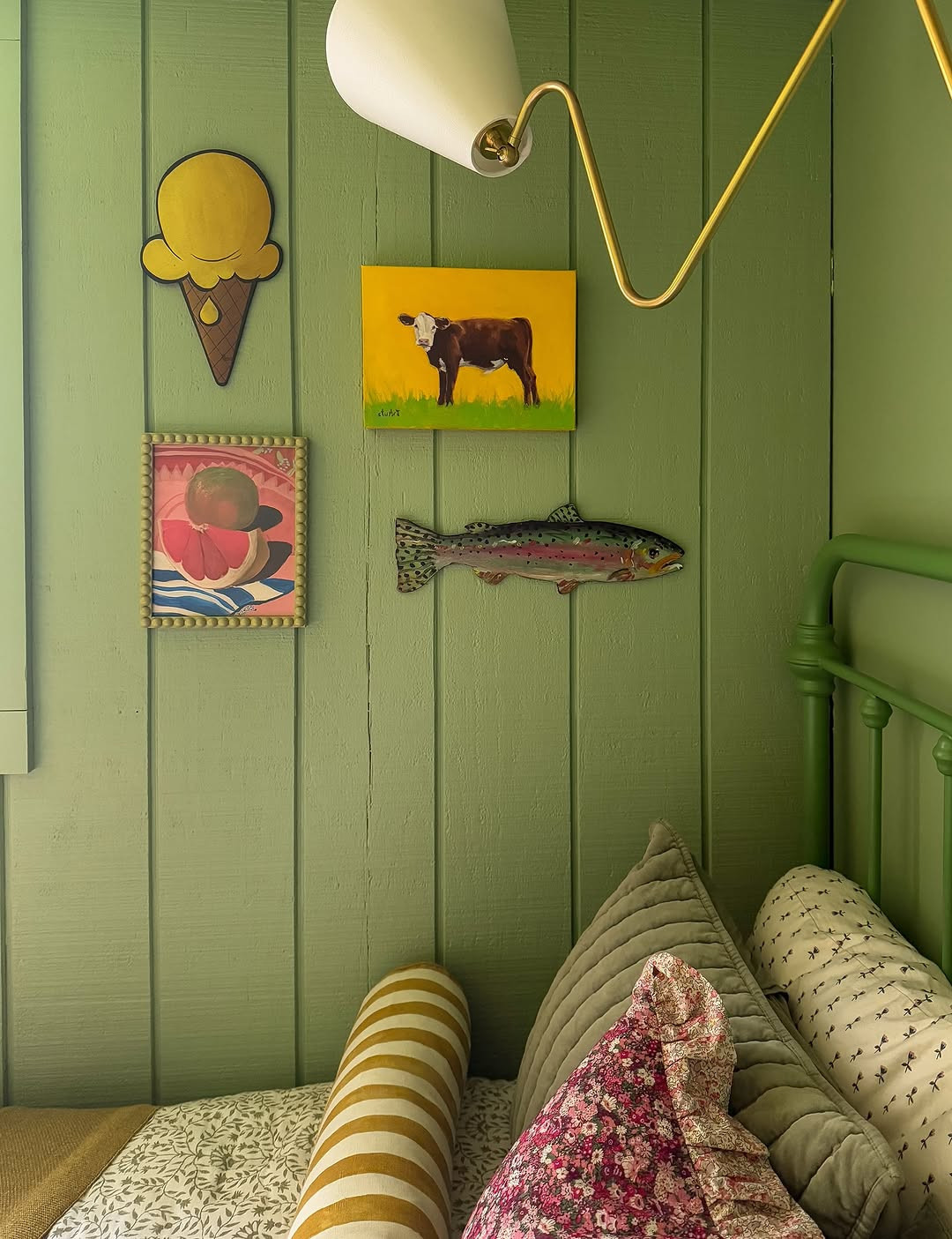
8. Gallery Wall as Accent Zone
A gallery wall turns art, photos, and framed pieces into an accent feature that feels personal, layered, and much more alive than a blank painted wall.
More Personal Than Paint
Some accent walls are about color or material. This one is about story. A gallery wall lets you build a focal point from pieces that mean something to you, and that changes the mood of the bedroom in a very different way. The space feels collected rather than staged. Family photos, abstract prints, black-and-white images, sketches, travel art, or even framed fabric can all work if the mix feels intentional.
This idea suits people who want warmth without committing to something permanent. You can adjust it over time. Add a new print, move frames around, or swap one large piece for several smaller ones. That flexibility is part of the appeal. Your bedroom can grow with you instead of staying frozen in one style choice.
How to Make It Look Pulled Together
The easiest way to keep a gallery wall from looking messy is to give it one unifying thread. That could be matching frames, a single color family, black-and-white images, or artwork with similar spacing. You do not need everything to match, but you do need order. A loose salon-style arrangement feels relaxed, while a grid feels cleaner and more modern. Both can work well in a bedroom, depending on the furniture and mood of the room.
Scale is the part people often miss. Tiny frames scattered over a large wall can feel weak. If the bed sits below the gallery wall, the arrangement should feel wide enough to hold its own above the headboard. Lay everything out on the floor first. I still do that because it helps you spot awkward gaps before you start making holes in the wall.
Placement Changes the Whole Effect
Most people place a gallery wall behind the bed, and that works well because it naturally becomes the room’s focal point. It can also work on the wall across from the bed, where you see it first thing in the morning. That option feels more like a visual moment and less like a headboard substitute. In narrow rooms, a vertical arrangement beside a dresser can stretch the eye upward and make the space feel taller.
Keep enough breathing room around each frame. If pieces sit too close together, the wall can feel crowded. If they are too far apart, the collection loses energy. Aim for a look that feels thoughtful, not stiff. That is when a gallery wall becomes a true bedroom accent wall instead of a bunch of frames trying to share one space.
Credit to @danielacaraya
9. Floor-to-Ceiling Curtain Backdrop
A curtain backdrop turns the wall behind your bed into something softer and more dramatic at the same time. It adds height, brings in texture, and covers a plain wall without paint, tile, or major building work. If your room feels flat, this idea gives it movement right away.
Why Fabric Changes the Mood
Hard walls can make a bedroom feel cold, even when the furniture is beautiful. A full curtain wall softens every line around the bed and helps the room feel more restful. I like this idea because it looks styled and relaxed at once, which is not easy to pull off with many accent wall ideas. The fabric also catches light in a gentle way, so the wall never looks harsh in the morning or dull at night.
You can make this look airy with sheer white panels, or richer with velvet in a warm beige, olive, or deep rust. Ceiling-mounted tracks usually work best because they draw the eye upward and make the wall seem taller. In smaller bedrooms, that extra height matters a lot. Even a basic room starts to feel more finished when fabric runs from top to bottom behind the headboard.
Best Ways to Make It Look Intentional
Scale matters here. Your curtain setup should feel wide enough to frame the bed, not squeezed to the same width as the headboard. Extend the rod or track past the bed on both sides so the wall looks balanced and full. If you want more depth, layer a lighter fabric over a darker one and keep the bedding simple so the wall stays the star.
This idea also solves a few common bedroom problems. It can hide a wall that is uneven, cover old texture you do not want to repair yet, and soften echo in a room with lots of hard floors. If you rent, it can be a smart way to create a custom look with less mess. Keep the panels just brushing the floor for the cleanest finish. Too short looks accidental, and too long can feel heavy unless you want a more romantic, pooled effect.
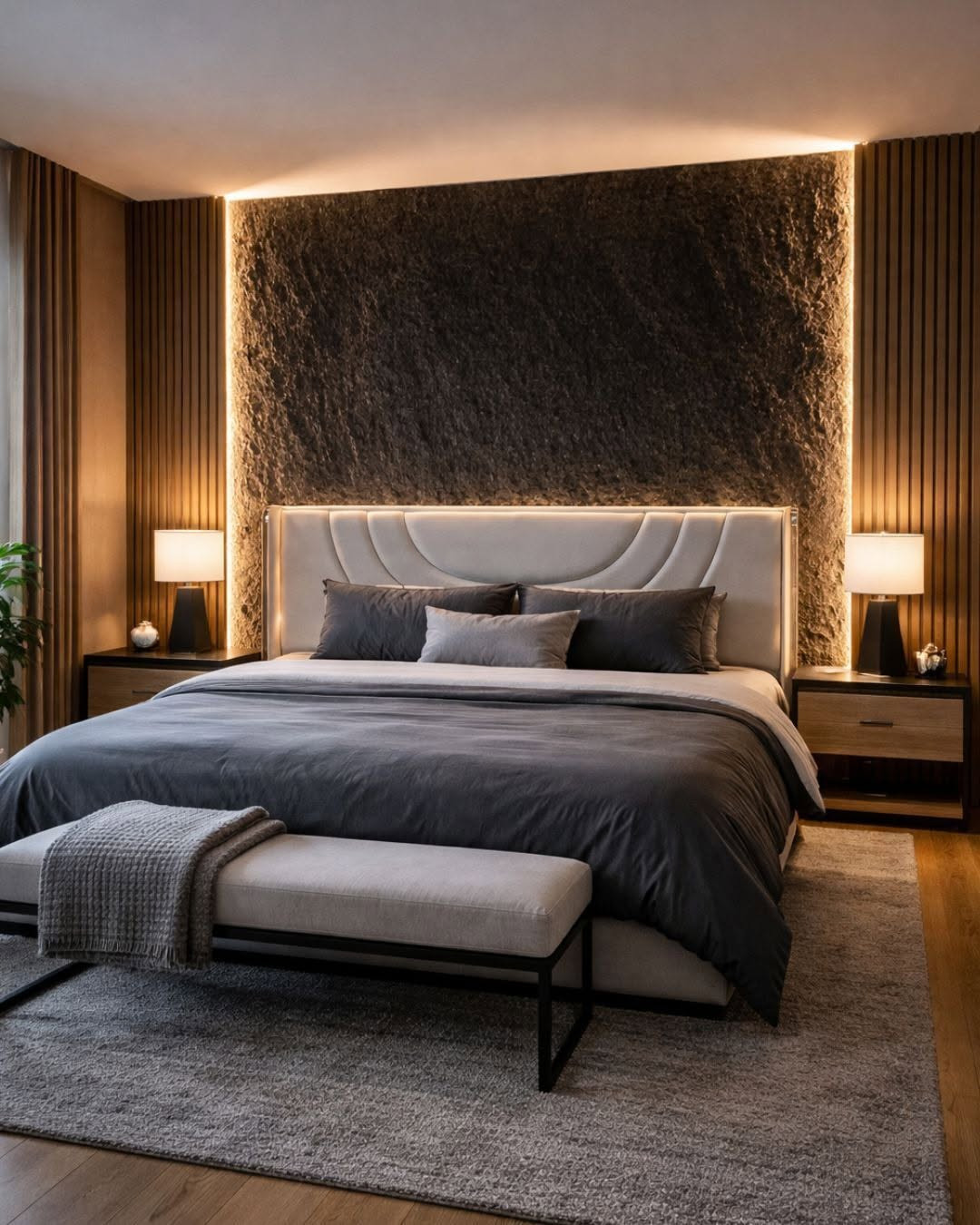
10. Stone Texture for Subtle Drama
A wall with stone texture brings quiet depth into the bedroom. It feels grounded, calm, and a little more refined than a basic painted wall. You get movement and character, but the room still stays restful, which is exactly what most bedrooms need.
The Appeal of a Natural Look
Some accent walls ask for attention the second you enter the room. Stone-inspired finishes do something different. They pull you in slowly with soft variation, shadow, and an earthy surface that feels real even when it is made from panels or a faux finish. That slow visual interest works well in bedrooms because you want the space to feel layered, not loud.
Limewash-style paint, plaster-look finishes, and thin stone veneer all create this effect in their own way. Limewash feels cloudy and soft. Stone panels look a little more shaped and architectural. Both bring in an organic quality that pairs well with wood furniture, linen bedding, and warm metal lights.
How to Keep It Calm, Not Heavy
Color choice does most of the work. Soft taupe, sandy beige, dusty gray, and muted clay shades give you texture without making the room feel dark or cave-like. If your bedroom does not get much natural light, skip very deep charcoal stone looks unless the rest of the room is light enough to balance it.
Placement matters too. The wall behind the bed is often the best spot because it creates a focal point with purpose. You can stop the texture there and let the other walls stay simple. That contrast helps the accent wall feel special instead of overwhelming. In a larger room, I have seen this look work beautifully around a fireplace wall or in a recessed niche beside the bed.
Practical Details Worth Thinking About
Texture changes how a room feels up close, so test samples before you commit. A finish that looks soft online can read rough or busy in person. Touch it. Look at it in morning and evening light. If you choose a panel product, make sure the seams are planned well so the pattern does not repeat in an obvious way.
This is also a smart pick if you want an accent wall that does not chase trends. Stone has a steady, timeless quality. It can feel modern, rustic, or classic depending on the bed, lighting, and decor around it. That flexibility makes it one of the easiest ways to add bedroom drama without making the room feel overdone.
Credit to @paneldecorhub
11. Mirrored Panels That Expand Space
Mirrored panels can make a bedroom feel brighter and wider without changing the layout. They reflect light, add polish, and give a small room more visual breathing space. Used with care, they feel elegant instead of flashy, which is why this idea keeps showing up in well-designed bedrooms.
Why Reflection Works So Well
A mirror does more than show your reflection. It throws light back into the room and helps dark corners feel less closed in. That matters in bedrooms with one small window or tight floor plans. If the room feels narrow, mirrored sections on the wall behind the bed or on one side wall can help it feel more open from the moment you step inside.
The look depends on the style of panel you choose. Full mirror sheets feel sleek and modern, but framed panels often work better in a bedroom because they look softer and more finished. Thin black grid lines create structure. Antique mirror adds age and mood. Plain beveled panels feel classic and clean.
Placement Makes the Difference
You do not need to cover a whole wall. In fact, smaller mirrored sections often look better because they give you the light boost without taking over the room. Panels above a low headboard, tall strips on each side of the bed, or wide sections set inside molding can all create a custom look. I usually prefer designs that break up the reflection a little, since that keeps the wall from feeling too sharp.
How to Avoid a Cold Look
Bedrooms need warmth, so balance mirror with softer materials. Pair it with upholstered bedding, warm wood nightstands, or a textured rug so the room still feels inviting. Keep the reflected view in mind too. A mirror should catch a window, lamp glow, or a tidy corner, not clutter or harsh overhead light.
A Small-Room Move That Pays Off
This idea is especially useful in apartments and older homes where bedroom space is limited. You are not adding square footage, but the room can feel less boxed in, which changes your daily experience of it. Clean the panels often, keep the lines simple, and let the mirror support the room instead of dominate it. Done well, it gives your bedroom a quiet sense of space that paint alone cannot create.
Conclusion
The best bedroom accent wall does more than look pretty in a photo. It changes how the room feels when you wake up, when you rest, and when you walk in at the end of the day. Curtains add softness, stone brings depth, and mirrors open up tight spaces. Think about what your bedroom needs most before you choose. If it feels cold, go softer. If it feels plain, add texture. If it feels cramped, bring in reflection. Save the idea that fits your room now, then build the rest of the space around it with a lighter hand.