You do not need a castle to bring Highland charm into your home. These 10 ideas show you how to build warmth, character, and quiet beauty with stone, wool, aged wood, soft light, and deep earthy color.
If your rooms feel flat or cold, this style gives them soul. Picture peat-gray walls, flickering firelight, plaid throws, weathered beams, and old brass that glows against creamy limewash.
Inside these inspiring spaces, you will find rooms that feel calm, rooted, and deeply inviting. Some are rustic, some are refined, and all 10 prove that timeless Scottish cottage style can feel both elegant and lived in.
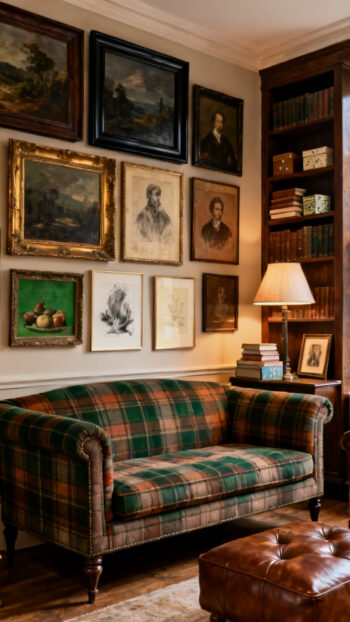
1. Plaid Sofa Stone Fireplace
A plaid sofa set near a stone fireplace gives a Scottish cottage living room its heart. This pairing feels collected, warm, and ready for long evenings indoors. You see pattern, texture, and age working together in a way that never feels forced.
Where the warmth starts
A plaid sofa does heavy visual work in a small cottage. It brings in Highland pattern right away, and it helps plain walls or simple floors feel richer. Choose soft tones like moss, charcoal, rust, or faded navy if you want the room to feel calm instead of busy.
The stone fireplace does something different. It grounds the whole room. Rough stone, even in a neat surround, adds weight and history. If the sofa offers softness, the fire and stone give the room backbone.
How old and soft balance each other
This look works best when you let contrast do the job. A plaid sofa can feel polished or relaxed, depending on the shape. A rolled arm style reads more traditional. A simple square sofa feels cleaner, which helps old stone look fresh instead of heavy.
I love rooms where the stone is left slightly uneven and the sofa fabric looks brushed and worn in. That mix feels honest. It suggests a home that has been lived in for years, even if you have only just brought the pieces together.
Keep the rest of the room quiet. A dark wood coffee table, a wool rug, and one good lamp are often enough. Too many extra patterns can fight with the plaid, and too much shiny metal can spoil the soft mood.
Two ways to make it feel timeless
One version leans rustic. You keep the fireplace rugged, use heavier tartan, and bring in antlers, books, and older oak furniture. The other version feels gentler. You limewash the stone, choose a smaller plaid, and add linen curtains so the room gets more light.
Both work because they share the same idea. Comfort comes first, but style still matters. If you want a living room that feels deeply Scottish without looking like a set design, this pairing is one of the safest and strongest places to begin.
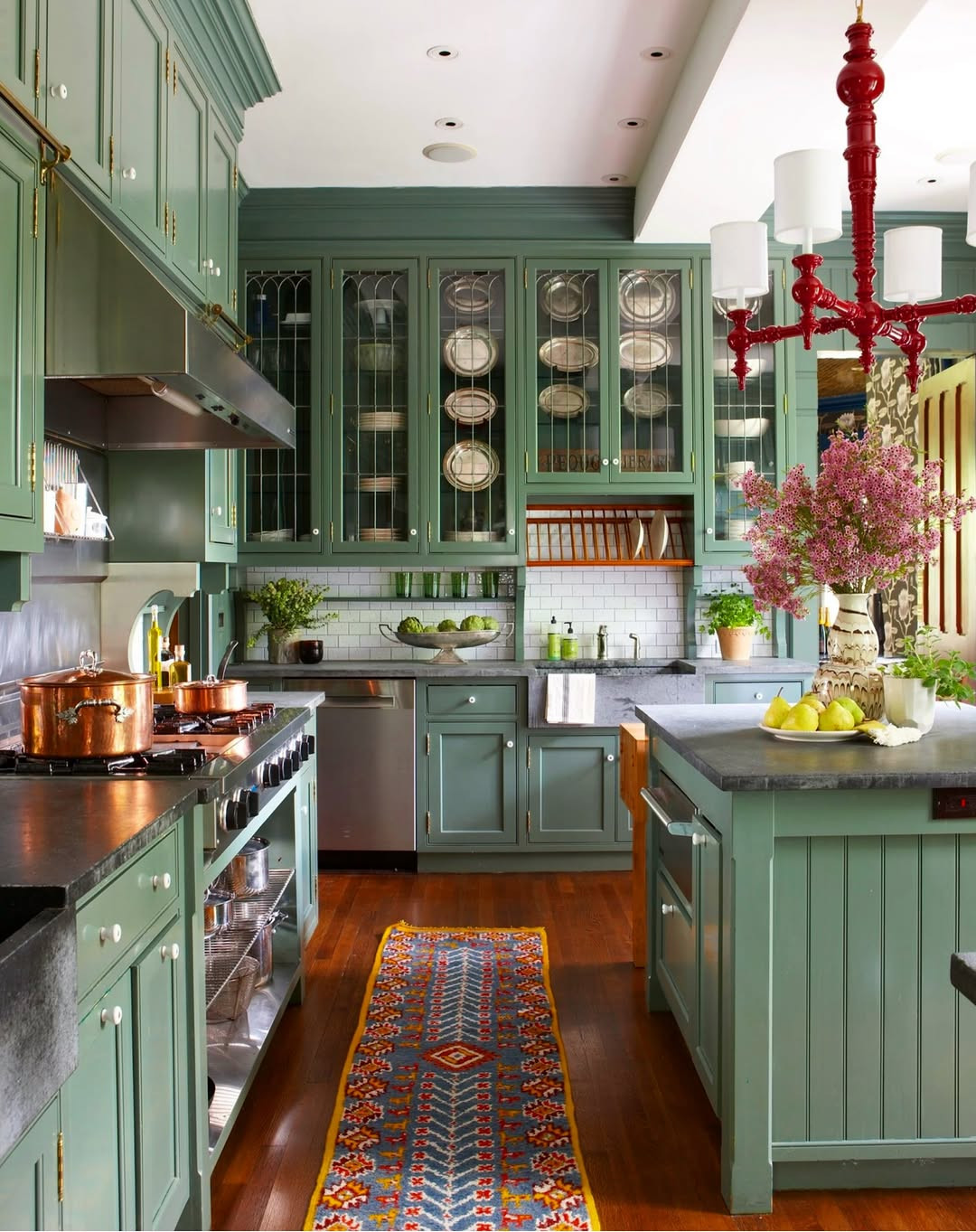
2. Sage Kitchen Copper Pans
A sage kitchen with copper pans creates a cottage kitchen that feels fresh, practical, and full of old-world charm. The color brings the landscape indoors, and the metal adds a warm glow. Together, they make even a hard-working kitchen feel special.
The color that calms everything down
Sage green has a quiet strength. It softens cabinets, especially in small rooms where bright white can feel sharp and flat. In a Scottish cottage interior, sage sits beautifully beside stone floors, butcher block, and cream walls.
This shade also ages well. Trends come and go, but a muted green still feels right with old timber, open shelving, and simple ceramic dishes. If you want a kitchen that looks settled and natural, this color earns its place.
Why copper still feels rich
Copper pans do more than fill a rail over the stove. They catch light. On gray days, they add warmth that paint alone cannot give. That matters in a cottage kitchen, where atmosphere often matters as much as storage or layout.
You do not need a full collection. Even three or four real pans, mixed with wooden boards and white crockery, can shift the whole mood of the room. The shine should look used, not perfect. A little patina makes the space feel grounded.
Details that stop it feeling staged
Good Scottish cottage kitchens rarely look too polished. Add beadboard panels, old brass latches, or a freestanding table instead of a giant island. Those details break up the cabinetry and keep the room from feeling like a showroom.
If you have modern appliances, surround them with softer elements. A striped runner, a pottery bowl of oats, and linen tea towels can close the gap between new and old. You still get a kitchen that works hard, but it also carries a sense of place.
This style suits people who want beauty in daily routines. Morning tea feels better here. So does washing dishes. The room becomes more than useful. It starts to feel deeply lived in, which is exactly the magic many homes miss.
Credit to @rrinteriors
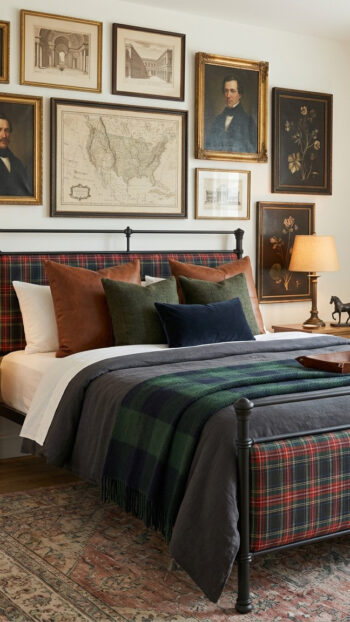
3. Box Bed Tartan Bedding
A box bed dressed in tartan bedding turns a bedroom into a snug retreat with real Highland character. It feels sheltered, quiet, and deeply personal. This idea works especially well in cottages where every inch needs purpose and warmth.
The charm of an enclosed sleep nook
Box beds have a long history in northern homes, and it is easy to see why they still charm people now. They create a tucked-away place to rest, even inside a modest room. That sense of enclosure makes the bedroom feel safer, softer, and more intimate.
You do not need an antique built-in to get the effect. A recessed alcove, paneled wall, or deep headboard surround can echo the same mood. The goal is to make the bed feel held within the room instead of floating in open space.
Why tartan works in a bedroom
Tartan bedding can look dramatic, but it does not need to feel loud. Choose muted checks in heather, forest green, brown, or slate, and the pattern reads classic rather than busy. Against white sheets or oat-colored blankets, tartan brings structure and warmth.
I think this look shines in winter, but it is not only for cold months. In summer, lighter wool throws and crisp cotton underlayers keep the bed from feeling heavy. You still get the pattern and heritage, just with more air around it.
Texture matters here as much as color. Flannel, brushed cotton, wool, and aged wood all help the room feel rooted. A metal lamp or polished bedside table would feel too sharp in most cases. Better choices are a small stool, an old chest, or a shelf with books and a candle.
How to keep the room restful
The risk with tartan is excess. If the bed carries the main pattern, let the walls breathe. Soft limewash, pale gray paint, or tongue-and-groove paneling gives your eye a place to rest. That balance keeps the room elegant.
Add curtains with weight, even if they stay open most of the time. They frame the bed and help the whole room feel wrapped up. A bedroom like this does not chase trends. It gives you comfort, quiet, and a strong sense of home.
4. Clawfoot Tub Wood Beams
A clawfoot tub under wood beams brings romance and rustic beauty into a cottage bath. It feels slow, quiet, and a little dramatic in the best way. This pairing can make even a simple bathroom feel memorable.
The bath that steals the room
A clawfoot tub has presence. Its curved shape softens a room filled with hard surfaces, and its raised base adds a lightness built-in tubs often lack. In a Scottish cottage interior, that shape feels especially right beside old plaster, stone, or painted board walls.
Freestanding tubs also improve the sense of space. You can see more floor around them, which helps a compact bathroom feel less boxed in. That visual breathing room matters when the ceiling is low or the footprint is narrow.
Beams bring age and depth
Wood beams pull your eye upward and add instant character. Dark, weathered beams feel dramatic, especially against white walls. Lighter oak beams create a softer country look. Both can work, as long as the wood looks honest and not too glossy.
Beams also help a bathroom feel tied to the rest of the cottage. Without them, the room can drift into a plain modern style. With them, even newer fixtures feel more connected to the building’s story.
Materials that suit the mood
This setting looks best with natural finishes. Think tumbled stone, unlacquered brass, simple wall lights, and soft white paint with a chalky look. A heavy vanity can crowd the room, so a pedestal sink or slim washstand often fits better.
You can add pattern, but use it with care. A small tartan stool, striped towels, or a muted tile border is enough. The tub and beams already carry strong character, so the room does not need much else to speak.
The comfort factor you feel at once
Bathrooms often feel cold by default. This one does not. Wood overhead, warm metal, and a deep tub create a space that invites you to stay longer. If your home needs one room that feels quietly indulgent, this is a smart place to spend the effort.
Even a tiny cottage bath can borrow this mood. One exposed beam, a painted tub exterior, and better lighting can shift the entire experience. Small changes matter here. You feel them right away.
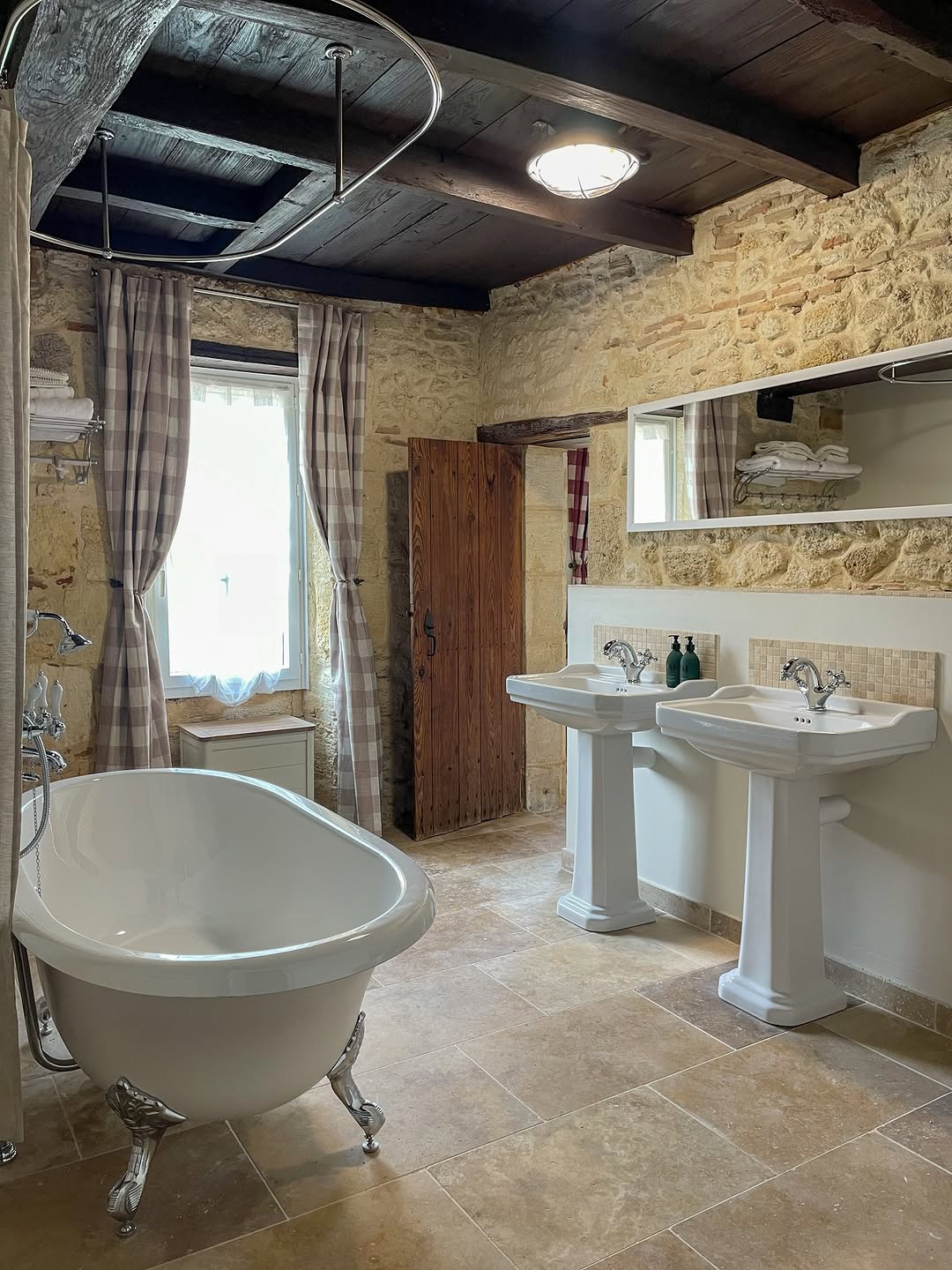
Credit to @chateau_meaume
5. Boot Room Farm Table
A boot room paired with a farm table gives a cottage entry or back hall true Highland function with charm to spare. It handles muddy days, wet coats, and busy family life without losing its beauty. This is where practical design feels warm instead of plain.
The hardworking entry every cottage needs
Scottish weather asks a lot from an entry. You need a place for boots, wool coats, dog leads, baskets, and damp umbrellas. A boot room answers that need, but it can still look inviting. Painted paneling, stone floors, and sturdy hooks make the space useful from the first step inside.
This area often sets the tone for the house. If it feels thoughtful, the whole cottage feels more settled. Deep colors like peat, navy, or olive hide wear and add depth, especially when natural light is limited.
Why a farm table changes the room
A farm table gives the space another layer of life. It can act as a landing spot for groceries, flowers, gloves, and post. In a larger boot room, it may even become a place to sit and pull off muddy boots or sort produce from the garden.
I like a table with visible age, scratches, knots, and all. It adds softness to a room full of hard-working surfaces. If your table has drawers, even better. They help keep small clutter from spreading across the top.
Storage that still feels beautiful
Open shelves suit this style well because they keep everyday things easy to reach. Wicker baskets, folded blankets, and old crocks can hold the mess without looking severe. Closed cupboards have their place too, especially under a bench, where they hide the less lovely items.
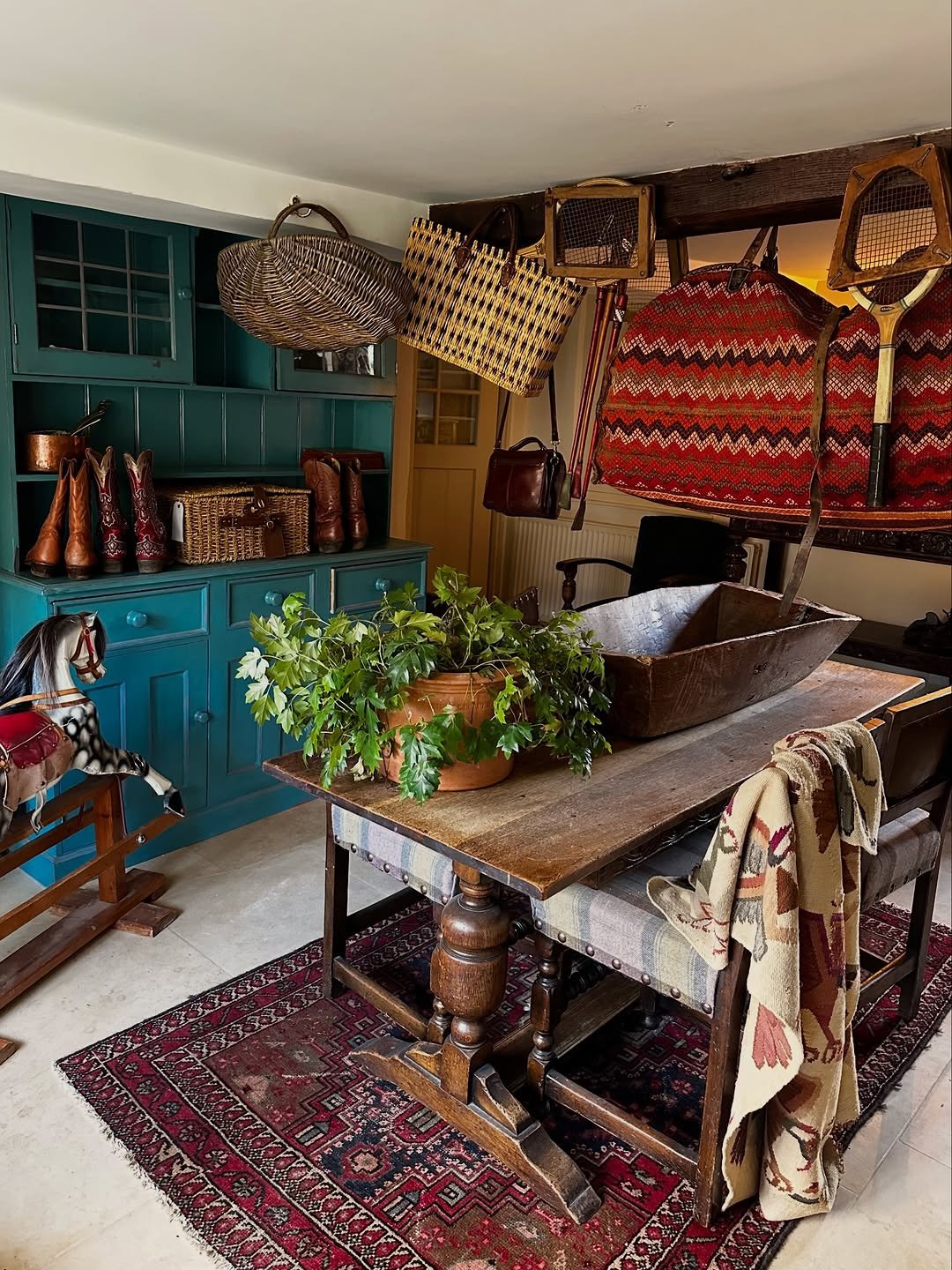
Credit to @homes_by_katiecardew
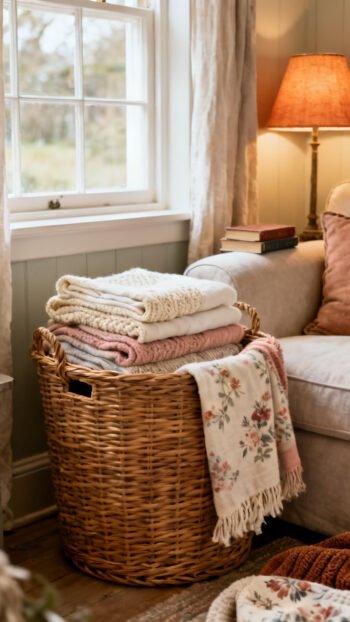
6. Tweed Window Seat
A tweed window seat turns an ordinary corner into a quiet Highland retreat, with texture, warmth, and a view that does half the decorating for you. In many Scottish cottage interiors, the best moment in the room is not the grandest feature. It is the small seat by the window, layered with soft cushions and framed by deep walls, where you can read, rest, or simply watch the weather roll in.
Why This Corner Works
A window seat gives a cottage something every small home needs, which is purpose without clutter. You gain seating, hidden charm, and a natural focal point in one move. That matters in a Scottish cottage, where every feature should feel useful as well as beautiful.
Tweed makes the look feel rooted in place. It has weight, pattern, and a slight roughness that keeps the room from looking too polished. Pair it with linen cushions or a small wool throw, and the whole space feels settled.
Light, Texture, and Mood
This idea shines in rooms with changing daylight. Morning sun catches the weave. Grey skies make the colors feel deeper. A plain wall suddenly feels richer because the eye lands on pattern and shape instead of empty space.
I love this in cottages with low windows and thick surrounds. The deep sill creates a natural frame, and the seat looks as if it has always belonged there. Built-in joinery helps, but even a simple bench with a fitted cushion can create the same mood.
Where It Fits Best
You should consider a tweed window seat in a living room that needs softness, in a bedroom with an awkward alcove, or in a landing that feels wasted. It also works well in cottages where the view matters, even if that view is only a stone wall, wild grass, or a garden gate.
The look feels strongest when the palette stays earthy. Think moss, oat, rust, peat, or faded blue. Keep the lines simple. Let the fabric do the talking.
A Better Way to Style It
Use one large seat cushion instead of several small pads. The seat will look cleaner, and it will feel more generous. Then add two or three cushions in mixed sizes, with one subtle tartan or check to tie the whole corner back to the wider Scottish cottage interior.
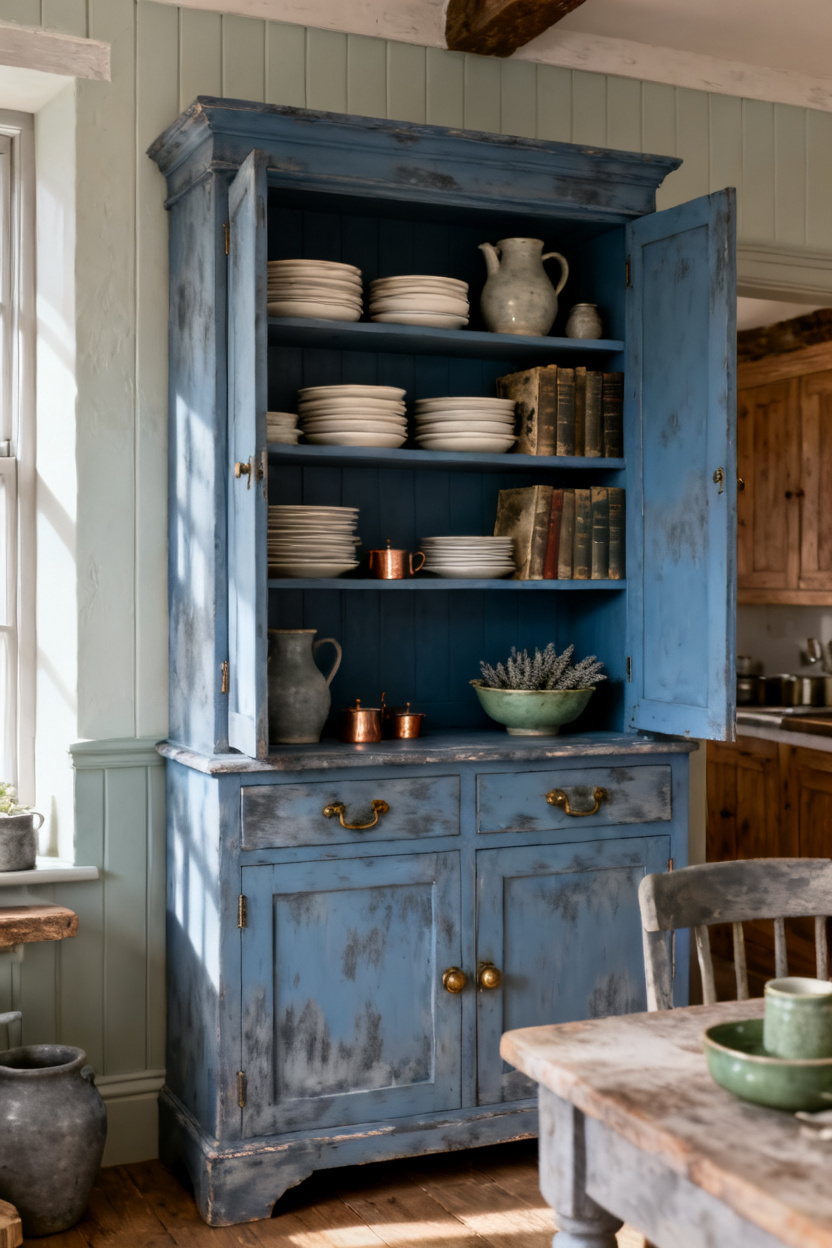
7. Blue Dresser Charm
A painted blue dresser brings color, storage, and old-world character into the heart of a Scottish cottage interior. This piece does more than hold plates. It sets the tone of the room, especially when the shade feels weathered, smoky, or slightly grey, like the sea under clouds.
The Case for Painted Furniture
Some cottages need relief from too much brown wood. A blue dresser breaks that up without losing warmth. It still feels traditional, yet it brings a fresher note than dark oak alone.
The best versions look a little imperfect. Brush marks, worn edges, and older brass handles make the piece feel collected over time. You do not want it to look new from a showroom. You want it to feel lived with.
What You Can Display
An open dresser lets everyday objects become part of the room. Stacked cream plates, stoneware jugs, old cookbooks, and a few copper pieces all sit beautifully against blue paint. The contrast is simple and strong.
This is where display storage earns its place. Closed cupboards hide the mess below, while open shelves bring personality up top. That balance is useful in a cottage kitchen, dining room, or even a wide hallway that needs a sense of life.
Making It Feel Scottish
You can push the dresser toward Highland elegance with a few careful choices. Add a bowl of heather tones, a framed landscape, or hand-thrown pottery in soft grey and green. Keep the mix restrained so the room stays calm.
I have seen this idea work especially well beside limewashed walls or beadboard. The matte surface of the wall makes painted furniture look richer. In brighter rooms, blue feels crisp. In dim corners, it turns moody and deep.
One Detail That Matters
Paint the inside back panel of the open shelves a slightly darker blue than the outside frame. It creates depth and makes simple crockery stand out. That small shift gives the dresser a custom look without changing its honest, cottage feel.
8. Heather Wallpaper Glow
Heather wallpaper gives a cottage room soft pattern and a sense of place, especially when the print feels drawn from hill, moor, and meadow. If you want more soul without adding more furniture, this is a smart move. Pattern on the wall can do the heavy lifting.
A Pattern With Roots
Heather is tied to the Scottish landscape, so it makes sense in a cottage interior. The right wallpaper brings that outdoor feeling in, but in a gentle way. Small floral repeats, faded mauves, mossy greens, and quiet creams all work well.
This idea suits rooms that need a little depth. Plain painted walls can sometimes feel flat, especially in north-facing spaces. A soft print catches light differently through the day and adds warmth even when the sky is dull.
Best Rooms for the Look
A bedroom is an easy choice, but I also like heather wallpaper in a small study, upstairs hall, or reading nook. Compact rooms often carry pattern better than large ones. The walls feel wrapped and intimate, which is exactly what you want in a cottage.
Scale matters here. Tiny prints feel old-fashioned in a good way and keep the room restful. Large dramatic florals can overpower low ceilings and smaller windows, so they need more care.
How to Keep It Timeless
Pair the wallpaper with simple shapes. A spindle chair, plain linen curtains, painted floorboards, and a small wool rug will hold the room steady. Too many decorative pieces can make the space feel fussy.
You can also repeat the wall colors in small ways. Try a dusky purple throw, a green lamp base, or artwork with misty landscape tones. Those echoes make the room feel composed without looking forced.
The Finish That Helps Most
Choose wallpaper with a matte finish instead of anything glossy. It will sit more naturally beside old plaster, worn timber, and antique pieces. Soft surfaces always look better in Scottish cottage interiors, because they echo the quiet mood that makes these homes so memorable.

Credit to @storiedhomestudio
9. Candlelit Dining Nook
A candlelit dining nook turns a modest eating space into one of the most inviting parts of a Scottish cottage. You do not need a large dining room for this look. In fact, a smaller nook often feels better, because the closeness adds comfort and a little drama.
The Power of a Small Table
A round or narrow wooden table fits the spirit of cottage living. It brings people together and leaves less dead space around the edges. Add a bench on one side or a pair of mismatched chairs, and the room starts to feel relaxed instead of staged.
This is one of the easiest ways to build atmosphere. Soft light changes everything. The grain of the wood looks richer, the walls feel warmer, and simple meals seem more special than they would under harsh ceiling lighting.
Layers That Add Warmth
The nook comes alive when you layer texture with care. Think wool seat pads, a washed tablecloth, pottery, and a brass or pewter candlestick. None of these pieces need to be expensive. They just need to feel honest.
I would skip bright overhead bulbs if you can. A wall sconce, small lamp on a dresser, or a pendant with a soft shade helps far more. Then candles finish the scene, especially on winter evenings when the dark arrives early and the windows turn mirror-black.
How to Make It Feel Collected
Art helps here. A small landscape painting, framed pressed botanicals, or a shelf with old crockery gives the nook context. You want the area to feel tucked in, not left over.
This idea works well in kitchens that have one empty corner, in cottages with a bay window, or beside a hearth that no longer serves as the main heat source. The setting does not need to be grand. It just needs intention.
A Styling Choice Worth Copying
Keep the table center low and simple. A squat vase, a bowl of pears, or two brass candlesticks will look better than a tall arrangement that blocks sightlines. In a Scottish cottage interior, ease often looks more elegant than abundance.
10. Attic Twin Room
An attic twin room uses sloped ceilings, simple beds, and soft layers to create a guest space full of Highland charm. This kind of room feels personal at once. The ceiling drops lower, the walls close in slightly, and the whole space becomes calm in a way larger bedrooms often do not. In Scottish cottage interiors, that snug feeling is a strength.
Why It Feels So Welcoming
Twin beds are practical, but they also carry an old-fashioned grace that suits a cottage. They leave space between the frames for a shared table, a small rug, or a reading lamp, which makes the room feel thoughtful. If the beds are painted wood or dark iron, even better. Those shapes sit naturally under eaves and beams.
Symmetry helps this room look settled. Matching quilts, similar lamps, and equal wall art create order without much effort. Yet the room should not feel stiff. A folded tartan blanket at the foot of one bed or a single antique chair in the corner adds warmth.
Color and Storage Choices
Keep the palette quiet. Cream, mist blue, faded rose, peat brown, and soft grey all suit the light you often get in attic rooms. These shades reflect enough brightness during the day, then turn rich and restful by evening.
Storage needs care in a room with sloped walls. Low chests, baskets, and built-in drawers under the eaves work far better than tall wardrobes. You keep the floor clear, and the room keeps its easy shape.
The Detail Guests Remember
Give each bed one useful comfort item, such as a wool throw, a small shelf for books, or a hook for a robe. Guests notice those touches. They make the attic twin room feel considered rather than spare, and that is what gives this simple cottage idea its lasting elegance.

Credit to @charlotteboundy
Conclusion
The beauty of Scottish cottage interiors comes from restraint. A window seat, painted dresser, quiet wallpaper, intimate dining nook, or attic guest room can change how your home feels without changing everything at once.
Start with the corner or room that already has character. Then add texture, soft color, and pieces that look as if they belong to the house. Save the ideas that speak to you most, and build from there. The best Highland elegance always feels personal, warm, and easy to live with.